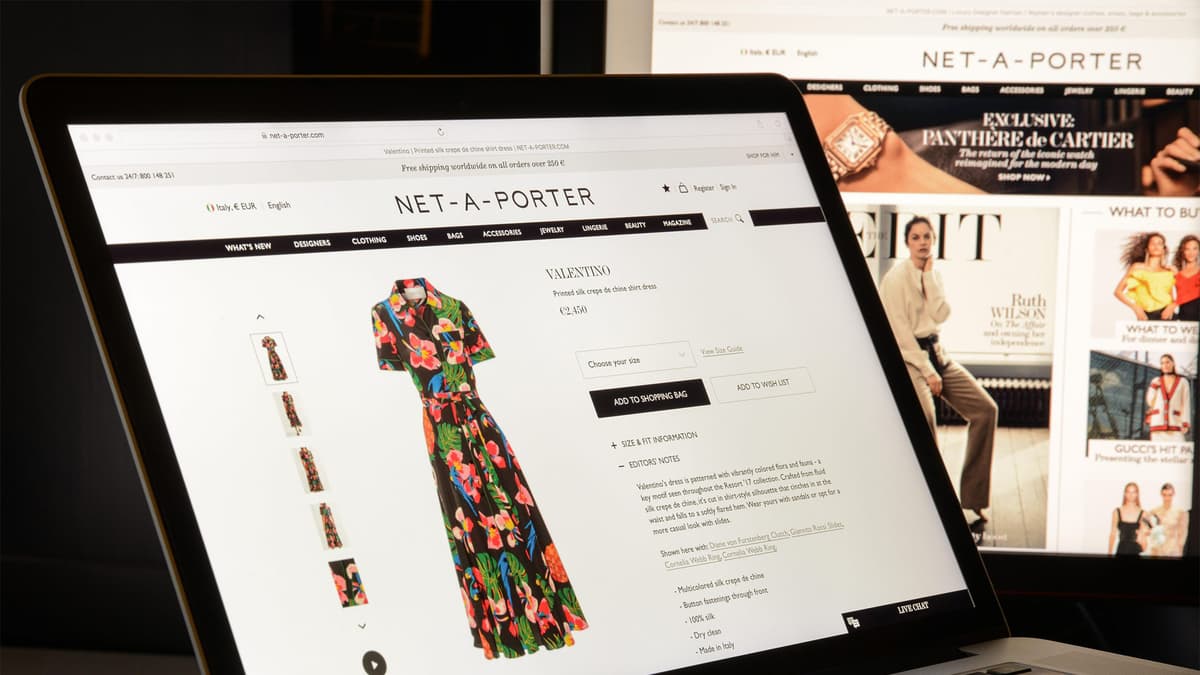
Net-a-Porter Warehouse Workers in London Voting to Strike over Pay
•March 6, 2026
0
Why It Matters
The dispute underscores mounting pressure on luxury retailers to meet rising living‑cost standards in London, with a potential strike threatening supply‑chain continuity and brand reputation. It also reflects broader labor tensions within the UK e‑commerce logistics sector.
Key Takeaways
- •Over 100 workers voting on strike for London Living Wage
- •Company offered £14.41/hour, £761 less than required
- •Previous 2023 strike secured £13.15/hour, 10% raise
- •GMB demands meaningful offer; negotiations remain open
- •LuxExperience pledges constructive dialogue, no final decision yet
Pulse Analysis
The London Living Wage debate has become a litmus test for high‑margin retailers operating in expensive urban markets. While the statutory National Living Wage sits at £12.71, the city‑specific benchmark of £14.80 reflects housing and transport costs that many warehouse staff cannot ignore. Net‑a‑Porter’s Charlton site, a critical hub for luxury fashion distribution, illustrates how promises made during recruitment can become focal points for collective bargaining when actual offers fall short of expectations.
A strike at the Charlton warehouse would reverberate beyond the immediate workforce, potentially delaying order fulfillment for affluent customers worldwide. Luxury brands rely on seamless logistics to uphold premium service standards; any disruption can erode consumer confidence and invite negative press. Moreover, the 2023 strike that secured a 10% pay rise set a precedent, showing that organized labor can extract concessions even from financially robust fashion conglomerates. Companies now face a strategic choice: adjust compensation to align with living‑cost realities or risk operational setbacks and reputational damage.
Across the UK, e‑commerce and logistics firms are grappling with similar wage pressures as living costs climb. The outcome of Net‑a‑Porter’s vote will likely influence how other retailers structure remuneration packages and engage with unions. Proactive dialogue, transparent wage modeling, and timely offers can mitigate strike risk and foster a more sustainable employer‑employee relationship. Stakeholders should monitor the ballot’s result closely, as it may signal a broader shift toward higher baseline wages in the sector.
Net-a-Porter warehouse workers in London voting to strike over pay
0
Comments
Want to join the conversation?
Loading comments...