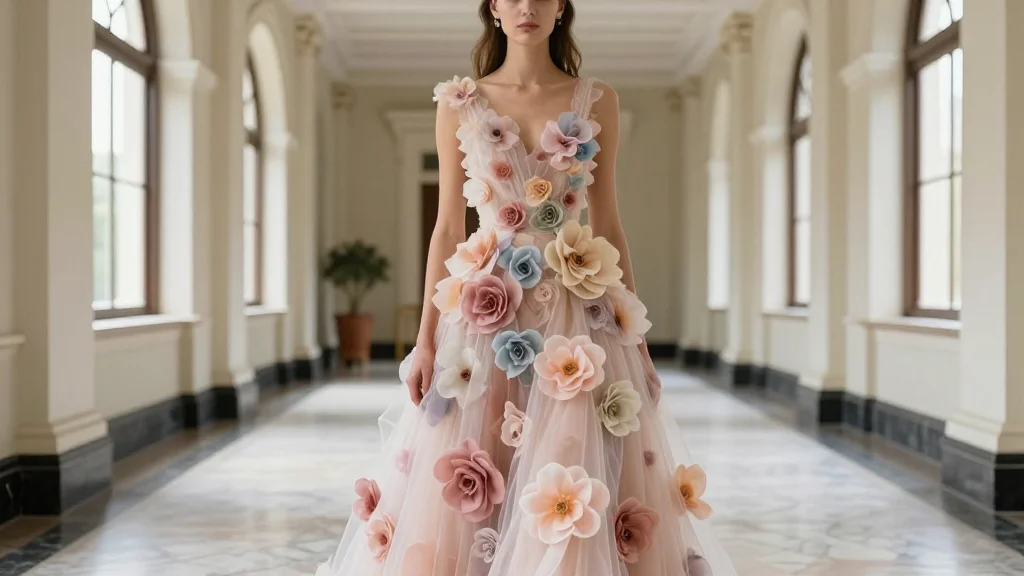
Nicol & Ford’s AFW 2026 Runway Honors Queer Heritage at Elizabeth Bay House

Why It Matters
The show underscores a growing trend where fashion weeks become stages for cultural reckoning, not just commerce. By centering a queer narrative within a heritage venue, Nicol & Ford demonstrate how designers can amplify marginalized histories while enriching the artistic value of their work. This approach may inspire other Australian and international labels to embed social advocacy into their creative processes, reshaping consumer expectations and industry standards. Moreover, the partnership between a demi‑couture house and a protected historic site illustrates a new model for collaborative storytelling that bridges fashion, architecture, and museum practice. If successful, it could open revenue streams for heritage institutions and provide designers with unique backdrops that differentiate their presentations in an increasingly crowded global fashion calendar.
Key Takeaways
- •Nicol & Ford presented the ‘Feint’ collection at Australian Fashion Week inside Elizabeth Bay House.
- •The runway honored painter Adrian Feint, highlighting his hidden LGBTQ+ partnership with John Winter.
- •Designs featured hand‑painted jacquard, silk‑velvet bodysuits, and silicone bodices inspired by Feint’s surrealist botanicals.
- •Sound design shifted from mid‑century jingles to frenetic percussion, mirroring the narrative of repression to celebration.
- •The show may set a precedent for heritage‑based, socially conscious runway productions at future AFW events.
Pulse Analysis
Nicol & Ford’s ‘Feint’ runway is a textbook case of fashion leveraging cultural heritage to amplify a marginalized narrative. Historically, Australian Fashion Week has been dominated by commercial showcases; this production flips that script by using a protected 19th‑century mansion as a storytelling device. The designers’ research‑driven approach—linking Feint’s clandestine queer life to contemporary queer visibility—creates a layered experience that resonates with both fashion insiders and cultural critics.
From a market perspective, the show signals a shift toward experiential runway formats that can attract media beyond traditional fashion outlets. By integrating art history, LGBTQ+ advocacy, and heritage preservation, Nicol & Ford broaden their audience reach, potentially unlocking new sponsorships from cultural institutions and socially responsible brands. This could accelerate a trend where designers partner with museums, historic sites, and NGOs to co‑create content that satisfies both aesthetic and ethical consumer demands.
Looking forward, the ripple effects may be twofold. First, other Australian designers may adopt similar research‑centric narratives, raising the overall intellectual capital of AFW. Second, heritage sites could see increased foot traffic and funding through fashion collaborations, creating a symbiotic relationship that benefits preservation efforts. If the upcoming limited‑edition capsule and educational initiatives materialize, Nicol & Ford will have turned a single runway moment into a sustainable platform for queer cultural advocacy within the fashion ecosystem.
Nicol & Ford’s AFW 2026 Runway Honors Queer Heritage at Elizabeth Bay House
Comments
Want to join the conversation?
Loading comments...