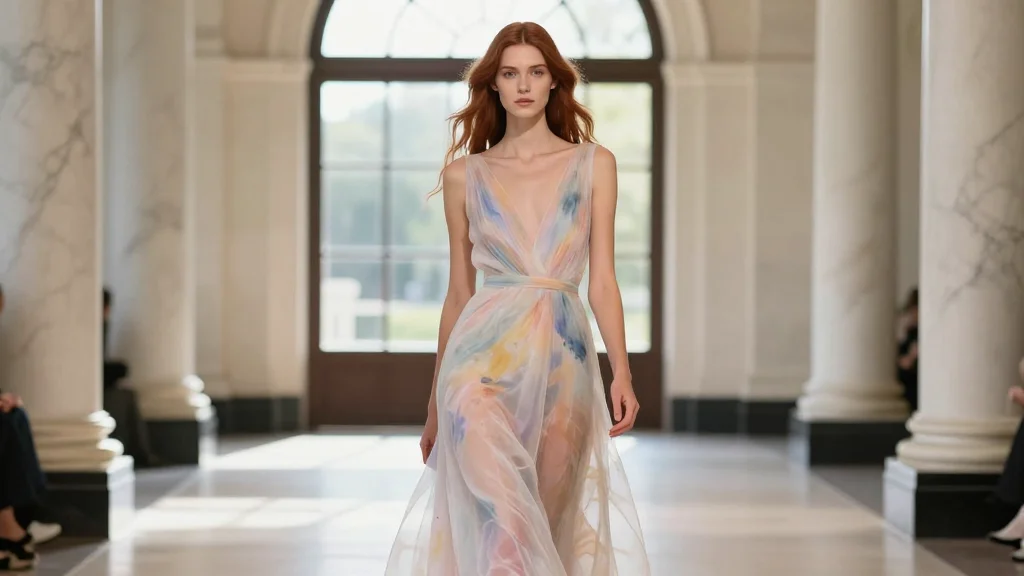
Nicol & Ford’s ‘Feint’ Takes Over Elizabeth Bay House on AFW Day Four

Why It Matters
Nicol & Ford’s Feint show demonstrates how Australian fashion can harness national art history to craft globally resonant narratives, reinforcing the country’s cultural export potential. By foregrounding queer resilience and joy, the collection also contributes to a broader industry shift toward inclusive storytelling, encouraging other designers to embed social context within their aesthetics. The event’s high‑profile venue and interdisciplinary collaborations illustrate a growing appetite for immersive runway experiences that blur the line between fashion and performance art. This approach not only elevates brand prestige but also creates new revenue streams through limited‑edition products, museum partnerships and experiential retail, reshaping how Australian designers monetize creativity.
Key Takeaways
- •Nicol & Ford’s fifth consecutive AFW runway, titled Feint, was staged at Elizabeth Bay House on day four.
- •The collection draws inspiration from Australian painter Adrian Feint’s vibrant florals and queer‑history symbolism.
- •Collaborators included artist Natasha Walsh (oil‑painted gowns), Date Night Studio (floral installations), and fragrance house Tsu Lange Yor.
- •Designers Katie‑Louise and Lilian Nicol‑Ford emphasized a shift from political darkness to joy and resilience.
- •Future plans feature a limited‑run ready‑to‑wear line and a pop‑up exhibition at the State Library of NSW.
Pulse Analysis
Nicol & Ford’s Feint marks a pivotal moment for Australian fashion, illustrating how a regional label can command international relevance through cultural specificity. Historically, Australian designers have struggled to break out of the ‘down‑under’ niche, often relying on volume‑driven retail partnerships. Feint flips that script by leveraging a deep archival research process—turning Feint’s ledger entries into hand‑painted silks—and by staging the show in a heritage site that itself tells a story of queer and bohemian resistance. This narrative layering creates a premium aura that appeals to luxury buyers seeking authenticity.
The strategic use of community casting and interdisciplinary collaborators also signals a shift toward a more ecosystem‑based model of fashion production. Rather than operating in isolation, Nicol & Ford tapped painters, fragrance creators, and performance artists, effectively distributing creative risk and expanding the brand’s touchpoints across art, beauty and lifestyle sectors. This collaborative framework could become a template for other Australian houses aiming to differentiate without massive marketing spend.
From a market perspective, Feint’s buzz has already translated into tangible commercial prospects: a limited‑run ready‑to‑wear line and talks of a luxury retailer capsule suggest the label is moving from runway acclaim to scalable revenue. If executed well, this could encourage investors to fund similar high‑art, low‑volume ventures, potentially reshaping funding dynamics in the Australian fashion ecosystem. In the longer term, Feint’s success may inspire a wave of runway shows that prioritize immersive storytelling over traditional catwalk formats, positioning Australian Fashion Week as a laboratory for experiential luxury rather than merely a calendar event.
Nicol & Ford’s ‘Feint’ Takes Over Elizabeth Bay House on AFW Day Four
Comments
Want to join the conversation?
Loading comments...