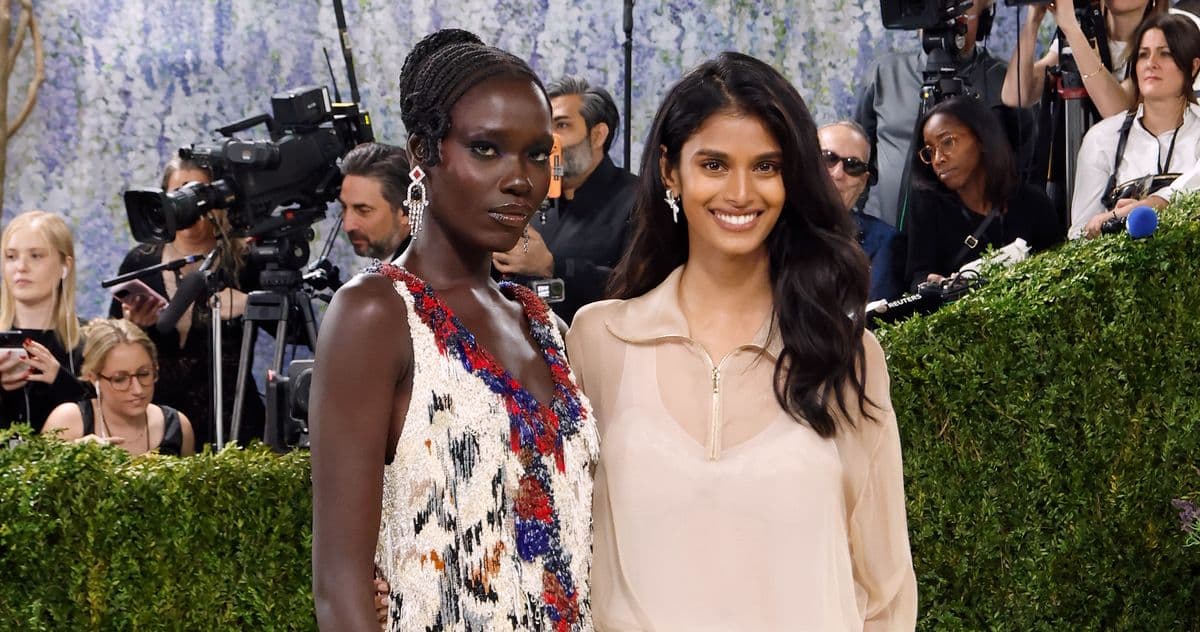
No, Bhavitha Mandava Didn’t Wear Jeans to the Met Gala
Companies Mentioned
Why It Matters
The controversy spotlights the tension between avant‑garde styling and cultural sensitivity, influencing how luxury houses navigate representation on global stages. It also signals a shift toward more inclusive, narrative‑driven red‑carpet moments that can reshape brand equity.
Key Takeaways
- •Mandava wore silk muslin pants printed like denim at 2026 Met Gala
- •The look mirrors her subway‑platform debut opening Chanel’s Métiers d’Arts show
- •Chanel’s design sparked debate over cultural sensitivity and brand messaging
- •Critics called the outfit a micro‑aggression; others praised its couture twist
- •The incident underscores evolving red‑carpet norms and representation in fashion
Pulse Analysis
The Met Gala has long been a showcase for opulent couture, yet each year the event invites designers to reinterpret its strict dress code. Bhavitha Mandava’s 2026 appearance disrupted expectations by swapping traditional silk gowns for silk‑muslin trousers that mimic denim, a choice that blended casual streetwear aesthetics with high‑fashion craftsmanship. Chanel’s decision to label the piece "fancy soft pants" underscores a growing trend: luxury houses are experimenting with material illusion and narrative depth, turning a single garment into a storytelling device that resonates beyond the red carpet.
Mandava’s outfit carries personal and cultural weight, echoing the same silhouette she debuted on a New York subway platform when she became the first Indian model to open a Chanel show. That moment, framed as a celebration of diversity and unconventional runway settings, was re‑imagined for the Met Gala, linking her rapid ascent from a subway encounter to a global fashion summit. The juxtaposition of a modest, denim‑effect look against the gala’s extravagance sparked polarized reactions—some viewers perceived it as a subtle nod to her roots, while others interpreted it as a misstep in cultural representation, questioning whether the design unintentionally reinforced stereotypes.
The fallout illustrates a broader industry conversation about the responsibilities of luxury brands in curating inclusive narratives. As social media amplifies every sartorial choice, designers must balance artistic risk with cultural awareness, recognizing that audiences now demand authenticity alongside innovation. The Mandava episode may prompt fashion houses to engage more deeply with the stories behind their creations, ensuring that avant‑garde statements enhance, rather than undermine, the brand’s reputation in an increasingly socially conscious market.
No, Bhavitha Mandava Didn’t Wear Jeans to the Met Gala
Comments
Want to join the conversation?
Loading comments...