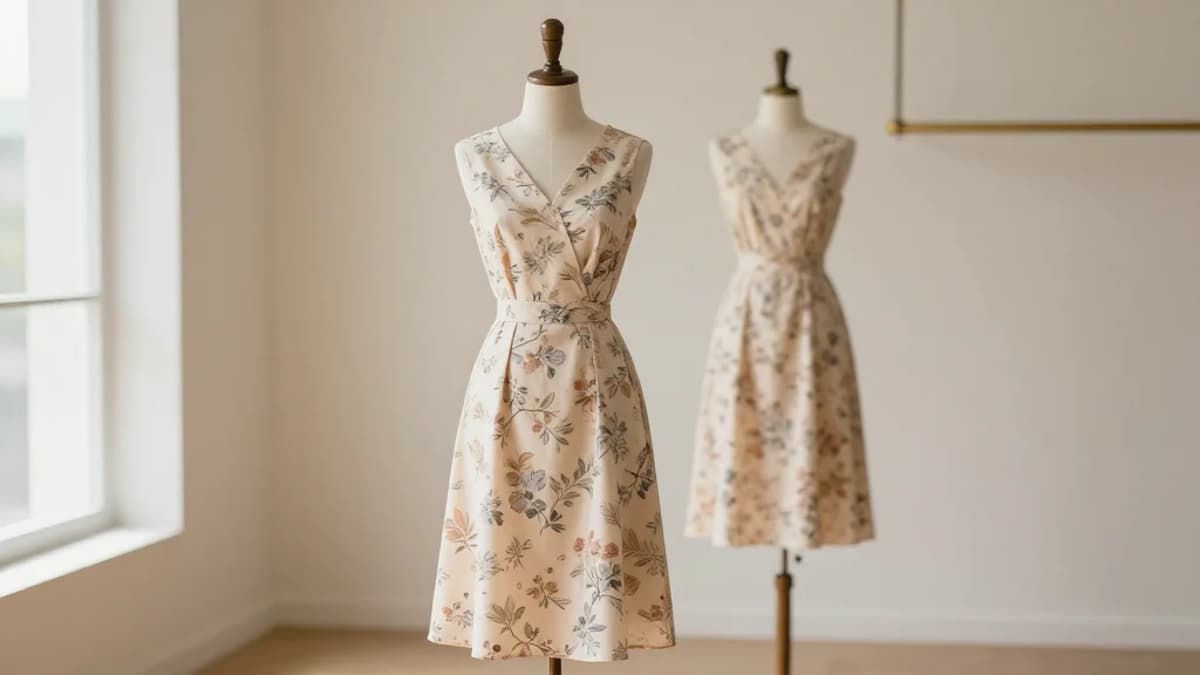
Nobody's Child Launches Louise Thompson Petite Edit
•March 6, 2026
0
Why It Matters
The partnership addresses a longstanding gap in UK womenswear for petite consumers, potentially expanding market share for both brands. By offering ready‑to‑wear pieces without alterations, it strengthens customer loyalty and sets a benchmark for inclusive sizing.
Key Takeaways
- •Petite women under 5'3 get ready-to-wear sizes
- •Collaboration between Nobody's Child and Louise Thompson
- •Prices range £59‑£150, sizes 4‑18
- •Designs include vintage details, structured blazers, wide‑leg trousers
- •Available in stores and major UK retailers online
Pulse Analysis
The UK’s average female height of 162 cm leaves a sizable segment of women—roughly one‑third of the population—below the standard sizing used by most high‑street brands. Historically, petite collections have been limited to a few legacy labels, forcing shoppers to rely on costly alterations or ill‑fitting off‑the‑rack pieces. Recent consumer research shows that 68 % of petite women consider fit a top purchase driver, prompting retailers to reevaluate their size charts. Nobody’s Child’s new edit arrives at a moment when demand for true‑to‑size petite apparel is reaching a tipping point.
The collaboration leverages Louise Thompson’s personal brand and authentic petite perspective, translating it into a design language that blends vintage flourishes with modern practicality. Key pieces—such as a structured short‑sleeve blazer with subtle shoulder pads and high‑waist wide‑leg trousers—are engineered to sit correctly on bodies 5 ft 3 in and under, eliminating the need for tailoring. Priced between £59 and £150 and offered in sizes 4‑18, the line sits comfortably between fast‑fashion price points and premium designer tiers, while distribution through Marks & Spencer and John Lewis expands its reach to mainstream shoppers.
By delivering a ready‑to‑wear petite range at accessible price points, Nobody’s Child signals a broader shift toward inclusive sizing across the UK fashion landscape. Competitors are likely to accelerate their own petite offerings, and department stores may prioritize curated collaborations that combine influencer credibility with design expertise. For investors, the move could translate into incremental revenue growth and stronger brand equity, especially as social media amplifies the narrative of ‘fashion for every body.’ As the market matures, we can expect more data‑driven, size‑specific collections to become standard practice.
Nobody's Child launches Louise Thompson petite edit
0
Comments
Want to join the conversation?
Loading comments...