Non-Sun Sunglasses: Sport-Fashion Fusion Accessory Goes Mainstream
•March 6, 2026
0
Why It Matters
The convergence of athletic performance gear and high‑fashion expands market opportunities for eyewear brands and raises consumer spend on functional luxury items. It also forces premium and budget retailers to compete over the same style, reshaping distribution strategies.
Key Takeaways
- •Non‑sun sunglasses blend sport performance with fashion aesthetics.
- •Photochromic lenses protect eyes on overcast days.
- •Prices range from £20 to £470 across brands.
- •Trend driven by functional luxury and wellness spending.
- •TikTok amplifies adoption among Gen Z consumers.
Pulse Analysis
The eyewear sector is experiencing a subtle but powerful pivot from seasonal protection to a year‑round lifestyle accessory. Overcast weather, once considered a low‑risk period for UV exposure, is now prompting consumers to seek lenses that guard against hidden rays while offering a subtle tint. This functional‑luxury mindset aligns with broader wellness spending, as shoppers allocate more of their discretionary budget to products that promise both health benefits and aesthetic appeal.
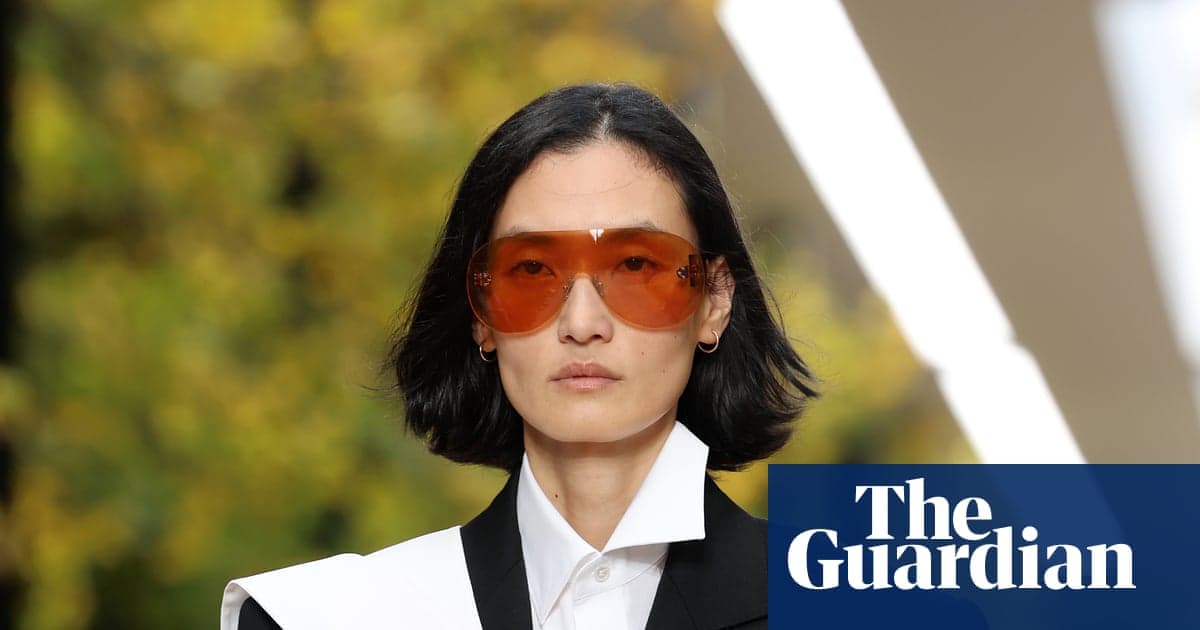
Brands are capitalising on this shift by diversifying price points and distribution channels. High‑end houses like Celine showcase runway‑ready, rim‑less designs priced at several hundred pounds, while mass‑market players such as Decathlon and Marks & Spencer offer comparable styles for under £30. The inclusion of photochromic technology—automatically adjusting tint based on light intensity—adds a tech‑forward element that resonates with digitally native consumers. Social platforms, especially TikTok, have accelerated adoption, with influencers swapping traditional blackout shades for lightweight, wrap‑around models that blend performance and style.
For industry insiders, the rise of non‑sun sunglasses signals a lasting convergence of sport and fashion. Forecasts suggest continued growth in the functional‑luxury segment, prompting manufacturers to invest in lightweight materials, sustainable production methods, and omnichannel marketing. Retailers that can seamlessly integrate high‑performance features with designer aesthetics are likely to capture a larger share of the expanding eyewear market, while legacy players risk obsolescence if they fail to adapt to this hybrid consumer demand.
Non-sun sunglasses: sport-fashion fusion accessory goes mainstream
0
Comments
Want to join the conversation?
Loading comments...