Companies Mentioned

Why It Matters
The resurgence signals a lucrative pivot for beauty firms toward niche, emotion‑focused products, reshaping market dynamics and consumer engagement. It underscores how pop‑culture moments can revive and redefine legacy categories.
Key Takeaways
- •Urban Decay’s Naked palette launched 2010, spawning 30+ sequels.
- •Pandemic boosted eye‑makeup sales as only visible facial feature.
- •Euphoria’s bold eye looks sparked a new wave of colorful palettes.
- •L’Oréal acquired Urban Decay for ~$350 million in 2012.
- •Current trends favor intentional, mood‑driven eyeshadow over mass “clean‑girl” looks.
Pulse Analysis
The Naked palette’s debut marked a turning point for cosmetics, turning eyeshadow from a niche product into a cultural staple. By releasing limited‑edition “drops,” Urban Decay mirrored sneaker hype, creating urgency and social media buzz that amplified sales across the industry. Influencers and YouTube swatch videos turned palette launches into must‑watch events, prompting competitors like Too Faced, Huda Beauty, and Anastasia Beverly Hills to adopt similar strategies, ultimately raising product quality and consumer expectations.
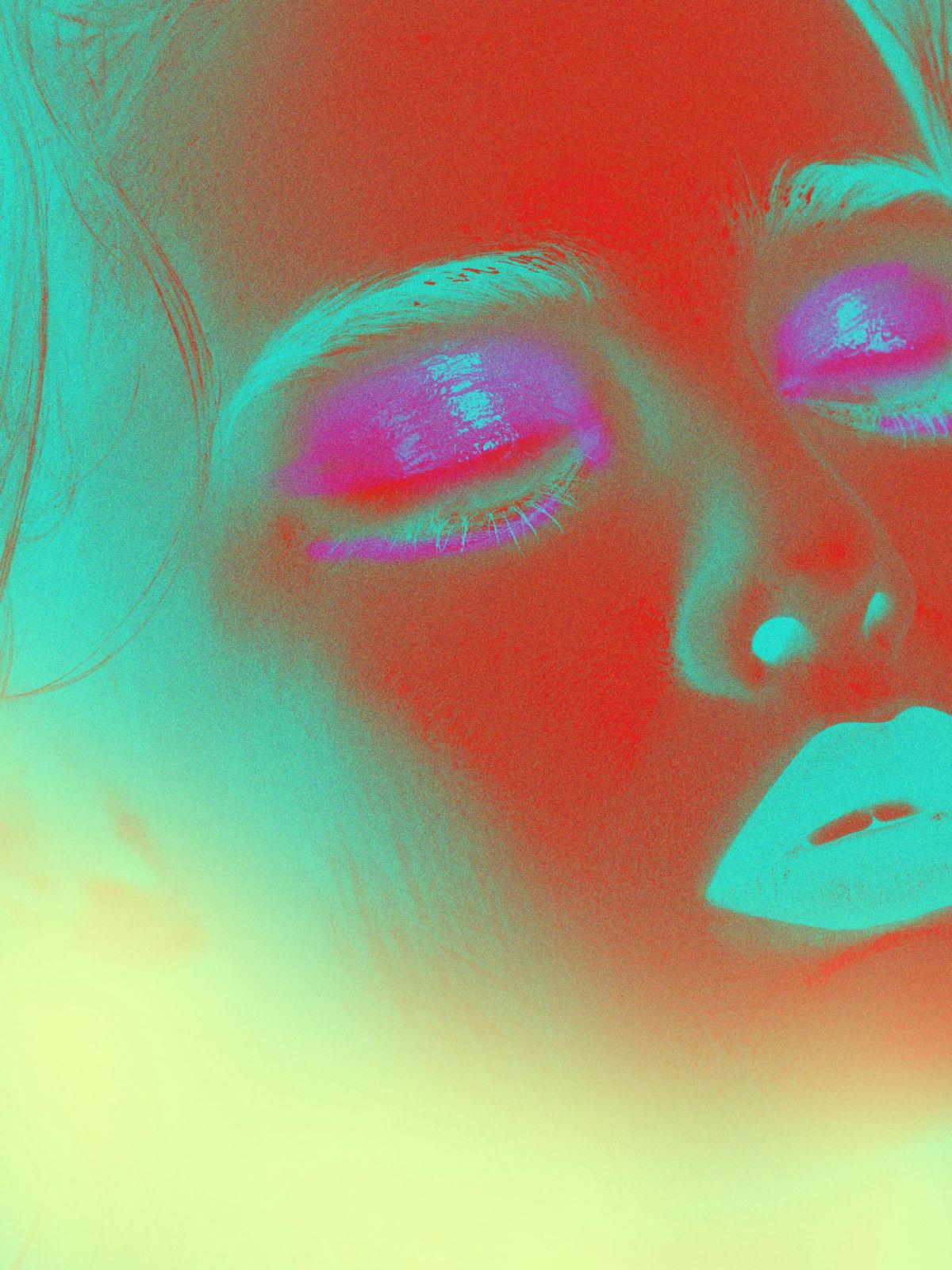
When COVID‑19 forced masks and limited facial visibility, eye makeup became the sole canvas for self‑expression, driving a sharp uptick in eye‑shadow purchases. Yet the post‑pandemic “clean‑girl” aesthetic, championed by brands such as Glossier, shifted focus toward minimalism, causing a lull in bold eye trends. The watershed moment arrived with HBO’s *Euphoria*, whose avant‑garde eye looks—neon liners, glittery tears, and crystal decals—reinvigorated demand for vibrant, experimental palettes. The show’s makeup team leveraged this momentum by launching Half Magic Beauty, translating screen‑style into consumer products and proving that television can catalyze market revivals.
For the beauty industry, the current wave represents more than a fleeting fad; it reflects a deeper consumer desire for makeup that conveys mood and personal narrative. Brands that embed storytelling, limited releases, and therapeutic positioning into their eyeshadow lines can capture both nostalgic fans of the early‑2010s palette culture and a new cohort seeking expressive, intentional looks. As social platforms continue to amplify bold eye aesthetics, the market is poised for sustained growth in premium, niche‑focused eyeshadow offerings.
Now More Than Ever, We Need Eyeshadow
Comments
Want to join the conversation?
Loading comments...