Companies Mentioned
Why It Matters
Rodrigo’s fashion choice spotlights the persistent scrutiny women face in pop culture, influencing how brands and artists navigate gendered expectations. The conversation also reflects the power of celebrity style to shape broader discussions on feminist aesthetics and consumer perception.
Key Takeaways
- •Rodrigo performed nine Spotify billion‑stream hits in Barcelona
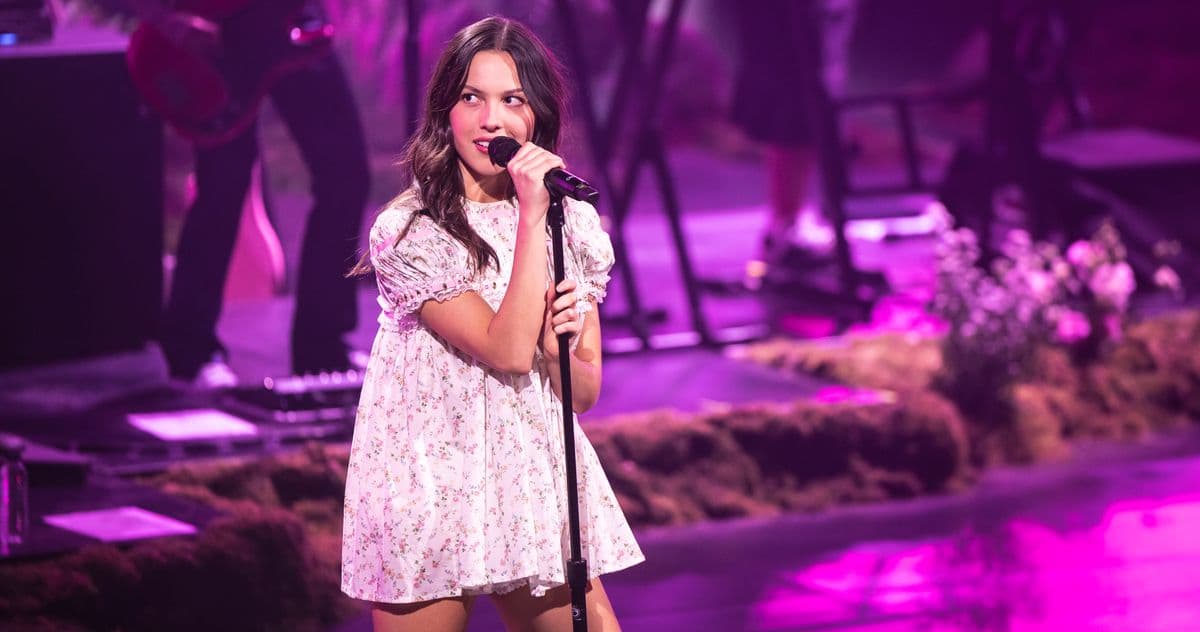
- •She wore a Génération 78 babydoll dress with lace bloomers
- •Fans labeled the look “infantilizing” and expressed discomfort
- •Critics ignored the outfit’s riot‑grrrl heritage
- •Debate highlights ongoing policing of women’s fashion choices
Pulse Analysis
Olivia Rodrigo’s recent Barcelona stop was more than a musical milestone; it marked the convergence of streaming dominance and fashion provocation. The 23‑year‑old celebrated nine tracks that have each crossed the one‑billion‑stream threshold on Spotify, cementing her status as a generational pop icon. Yet the spotlight quickly shifted to her stage attire—a pastel babydold dress from French label Génération 78 paired with sheer lace bloomers. In an era where celebrity wardrobes can drive sales and set trends, the outfit instantly became a talking point across social platforms, illustrating how visual presentation now rivals chart performance in cultural relevance.
The backlash against Rodrigo’s look taps into a long‑standing tension between mainstream pop aesthetics and the subversive roots of riot‑grrrl fashion. Originating in the early ’90s, riot‑grrrl used aggressive, DIY clothing to challenge patriarchal norms, with figures like Courtney Love and Kat Bjelland turning frilly or disheveled garments into statements of empowerment. By channeling that lineage, Rodrigo’s choice was less about childlike innocence and more an homage to a feminist punk tradition. Critics who dismissed the dress as "infantilizing" often overlook this historical context, revealing a broader pattern of policing women’s attire without acknowledging artistic intent.
The episode underscores a shifting landscape for artists, fashion houses, and marketers. As streaming platforms amplify an artist’s reach, every visual cue—whether a dress, hair color, or stage set—carries commercial weight. Brands eyeing collaborations must navigate the fine line between leveraging edgy aesthetics and alienating audiences sensitive to gendered critiques. For Rodrigo, the controversy may reinforce her reputation as a boundary‑pushing figure, while also prompting industry stakeholders to reconsider how they frame and support feminist‑inspired fashion narratives. The dialogue sparked by a single dress thus reflects deeper conversations about authenticity, consumer expectations, and the evolving power dynamics of pop culture.
Olivia Rodrigo’s Babydoll Dress Is Causing a Stir
Comments
Want to join the conversation?
Loading comments...