Paris Fashion Week Autumn/Winter 2026: The Shows, Moments & Trends Everyone’s Talking About
•March 5, 2026
0
Why It Matters
The shows dictate upcoming consumer demand and set aesthetic directions for luxury retailers worldwide, influencing both runway‑to‑retail translation and brand positioning. Their cultural cachet also drives media coverage and investor confidence in fashion conglomerates.
Key Takeaways
- •Dior's garden‑party runway featured lily‑pad heels, voluminous tutus.
- •Saint Laurent revived Le Smoking suit, star‑studded front row.
- •Stella McCartney showcased faux furs, horse‑themed arena, Oprah attendance.
- •Tom Ford highlighted dark, seductive contrasts, shaping upcoming retail trends.
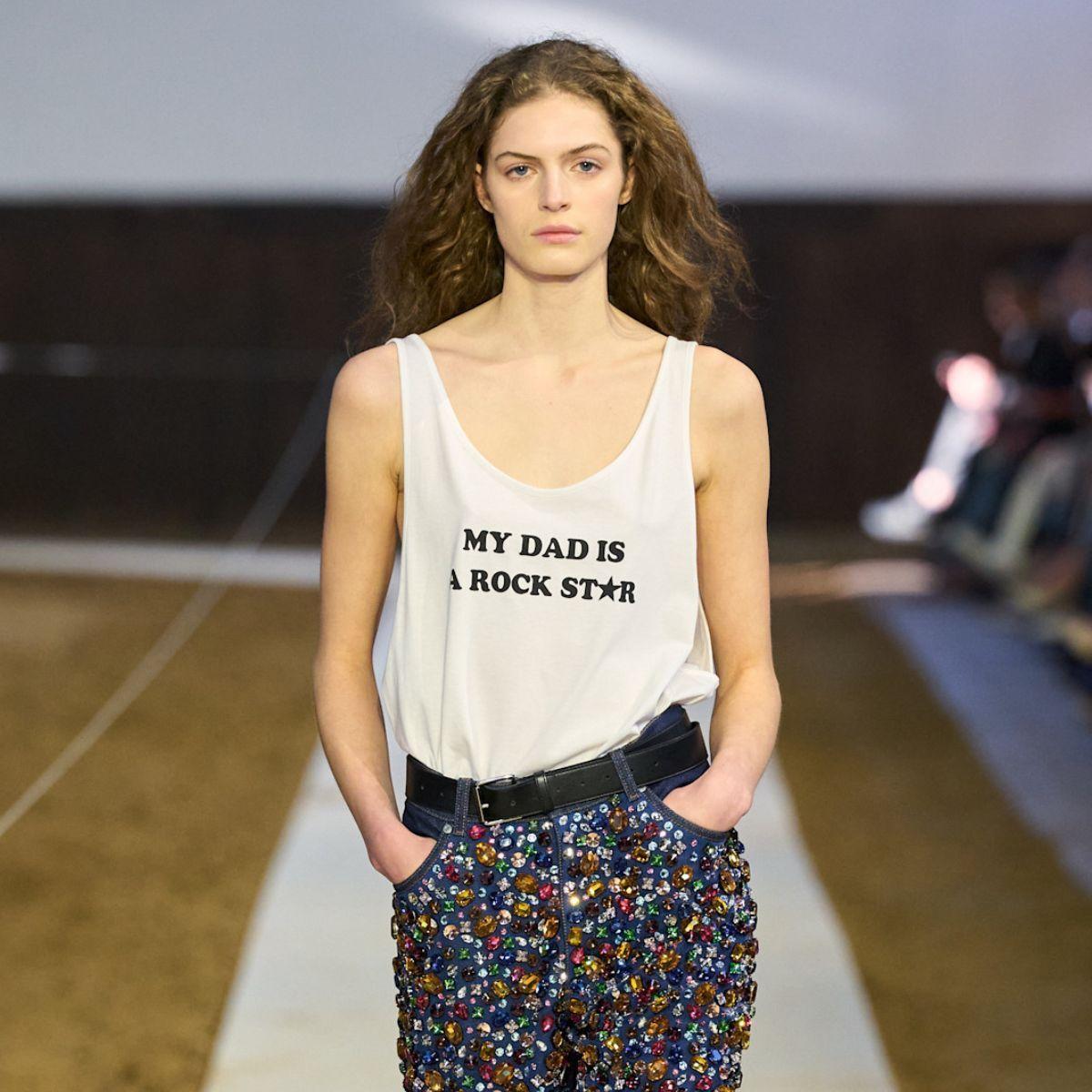
- •Chloé introduced cottagecore looks, moving away from quiet‑luxury minimalism.
Pulse Analysis
Paris Fashion Week remains the bellwether for global style, drawing designers, buyers, and media to a concentrated showcase of creativity. The 2026 Autumn/Winter edition, held in early March, featured a packed schedule of runway spectacles and high‑profile events that amplified the city’s reputation as the fashion capital. Beyond the glitz, the week serves as a forecasting engine, where trend‑setting silhouettes, fabrics, and color palettes are first unveiled, guiding the next season’s retail assortments and marketing narratives.
This year’s standout collections underscored a tension between heritage reverence and forward‑looking experimentation. Dior’s garden‑party setting married classic tailoring with whimsical accessories, while Saint Laurent’s reinterpretation of the iconic Le Smoking suit blended timeless masculinity with contemporary glamour. Tom Ford’s collection leaned into stark contrasts—hard leather against delicate lace—signalling a broader industry appetite for dramatic, narrative‑driven designs. Meanwhile, Stella McCartney’s equine‑themed presentation highlighted sustainable faux furs, and Chloé’s cottagecore shift reflected a consumer desire for nostalgic, relaxed silhouettes after years of minimalist restraint.
For luxury retailers and investors, these runway cues translate directly into buying decisions and inventory planning. Brands that quickly adapt the highlighted motifs—such as lily‑pad inspired footwear, dark seductive tailoring, or cottagecore prints—stand to capture early market share. Moreover, the high‑visibility celebrity attendance amplifies brand equity, driving social media buzz and influencing younger demographics. As the industry navigates sustainability pressures and evolving consumer tastes, the Paris Fashion Week narrative offers a roadmap for strategic product development and brand storytelling in the coming seasons.
Paris Fashion Week Autumn/Winter 2026: The Shows, Moments & Trends Everyone’s Talking About
0
Comments
Want to join the conversation?
Loading comments...