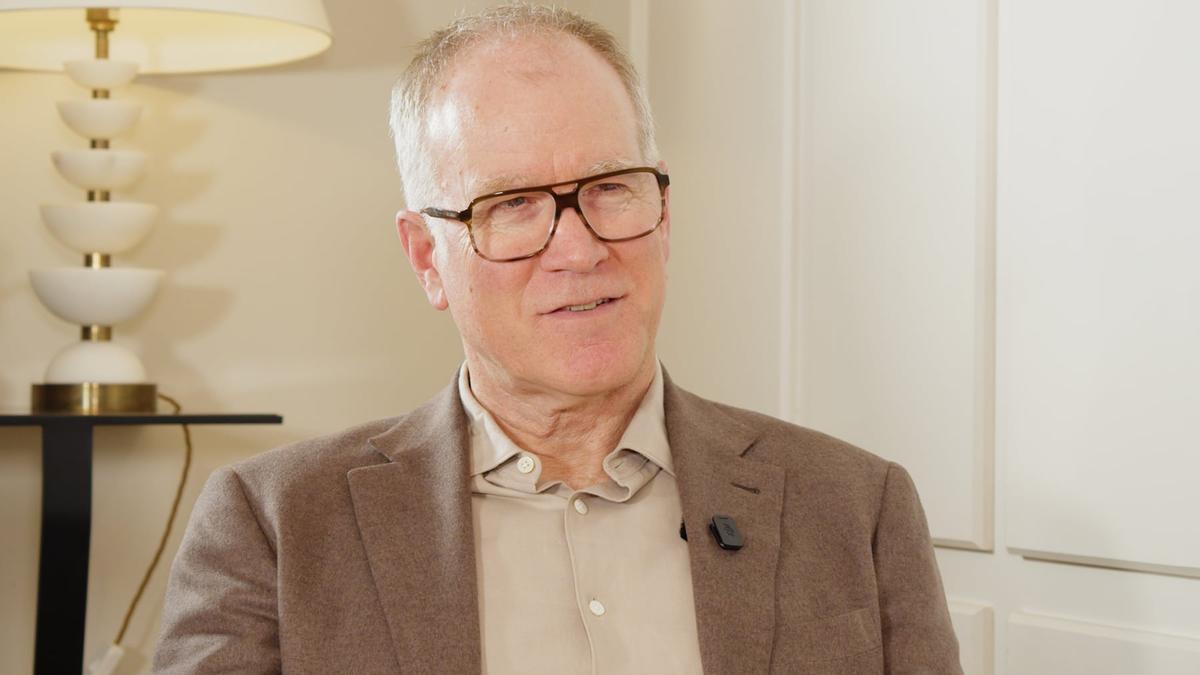
Pete Nordstrom on the Enduring Power of Retail’s ‘Best Mousetrap’ | The BoF Podcast
•March 6, 2026
0
Why It Matters
Privatization gives Nordstrom the agility to invest in integrated retail experiences without public‑market constraints, setting a potential blueprint for struggling department stores. Its success could reshape how legacy retailers balance heritage with digital innovation.
Key Takeaways
- •Nordstrom went private with Liverpool, retaining 51% family control
- •Integrated inventory links stores, website, and off‑price division
- •Curated mix blends luxury brands with performance labels
- •Private structure enables faster decisions, long‑term focus
- •Leadership built on hands‑on experience, not just credentials
Pulse Analysis
The U.S. department‑store sector faces unprecedented headwinds, from bankruptcies to shifting consumer expectations. Amid this turmoil, Nordstrom’s decision to go private with Mexican retailer Liverpool marks a strategic pivot. By securing a controlling family stake, the company sidesteps the short‑term earnings pressures of public markets, allowing it to prioritize long‑term investments in technology, supply chain, and customer experience. This move underscores a growing trend where legacy retailers seek private‑equity‑style flexibility to reinvent their business models.
Central to Nordstrom’s resurgence is its omni‑channel architecture. The retailer has unified inventory across brick‑and‑mortar locations, its e‑commerce platform, and the off‑price Nordstrom Rack division, creating a seamless shopping experience. This integrated "single‑view" approach enables real‑time stock visibility, faster fulfillment, and the ability to curate a breadth of offerings—from high‑fashion houses like Chanel to performance brands such as On Running. Scale amplifies these advantages, giving Nordstrom leverage with suppliers and the capacity to experiment with new digital services while maintaining the personalized service that defines its heritage.
Beyond technology, Pete Nordstrom emphasizes experiential leadership. He argues that retail acumen stems from hands‑on roles across merchandising, buying, and store management rather than academic credentials alone. This philosophy cultivates judgment essential for navigating volatile markets. As Nordstrom leverages its private structure to double‑down on customer‑centric innovation, its trajectory offers a template for other department stores seeking relevance in a digital age, suggesting that heritage brands can survive—and even flourish—by marrying tradition with modern retail agility.
Pete Nordstrom on the Enduring Power of Retail’s ‘Best Mousetrap’ | The BoF Podcast
0
Comments
Want to join the conversation?
Loading comments...