PinkPantheress & Tinashe Prove Dance Floor Style Isn't Dead
Why It Matters
The event signals a commercial revival of club‑centric fashion, prompting brands to tap into a lucrative, nostalgia‑driven market. Its social‑media amplification can translate into rapid product drops and increased discretionary spending among younger consumers.
Key Takeaways
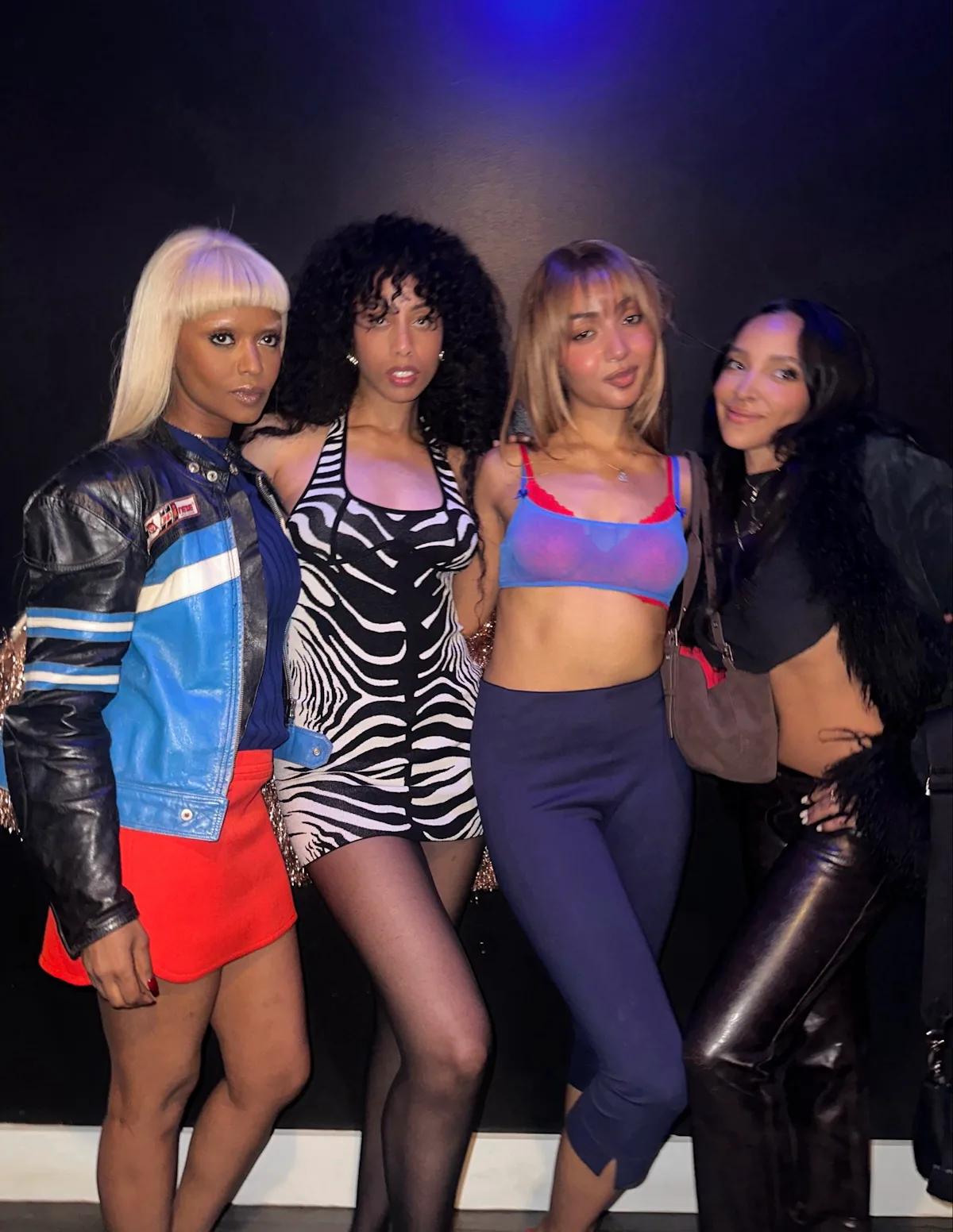
- •Kelela showcased color‑blocking with dark blue sweater, red miniskirt
- •PinkPantheress mixed deep‑blue capri pants, red bra, Y2K bag
- •Tinashe wore black leather pants, shearling‑lined coat for edgy vibe
- •Rochelle Jordan highlighted early‑2000s zebra‑stripe minidress, sheer tights
- •Brooklyn event underscores revival of club‑inspired coordinated streetwear
Pulse Analysis
The Brooklyn Storehouse gathering on May 8 proved that dance‑floor fashion is far from extinct. Hosted by house producer Rochelle Jordan, the soirée brought together Kelela, PinkPantheress, and Tinashe—artists known for blending club beats with pop sensibility. Their coordinated yet individual looks sparked a wave of online commentary, signaling that the aesthetic once confined to nightclubs is now spilling onto mainstream streets. This shift mirrors a broader cultural moment where nostalgia for early‑2000s nightlife merges with contemporary sustainability and gender‑fluid styling, redefining what “going out” means for Gen Z and Millennials.
Each outfit illustrated a distinct thread of the revival. Kelela’s dark‑blue ribbed sweater paired with a bright‑red miniskirt leveraged classic color‑blocking, a technique popularized by 1990s runway shows and now repurposed for digital‑first audiences. PinkPantheress leaned into Y2K nostalgia, pairing deep‑blue capri pants with a red bra and a suede shoulder bag that echoes early‑2000s accessories. Tunashe’s black leather pants and shear‑lined coat delivered an edgy, futuristic vibe, while Jordan’s zebra‑stripe minidress and sheer tights paid homage to early‑2000s club couture. Together they formed a cohesive narrative of retro‑modern hybridity.
The fashion industry is already translating this moment into commercial opportunities. Streetwear labels are launching limited‑edition collections that echo the event’s palette—blue, red, and monochrome neutrals—while luxury houses are courting the artists for capsule collaborations. Social media amplification, especially on TikTok and Instagram Reels, turns each look into a micro‑trend that can drive rapid sell‑throughs, as seen with similar hype‑driven drops in the past year. Retailers that align with this club‑inspired aesthetic stand to capture discretionary spend from younger consumers who view music‑driven style as a form of personal branding.
PinkPantheress & Tinashe Prove Dance Floor Style Isn't Dead
Comments
Want to join the conversation?
Loading comments...