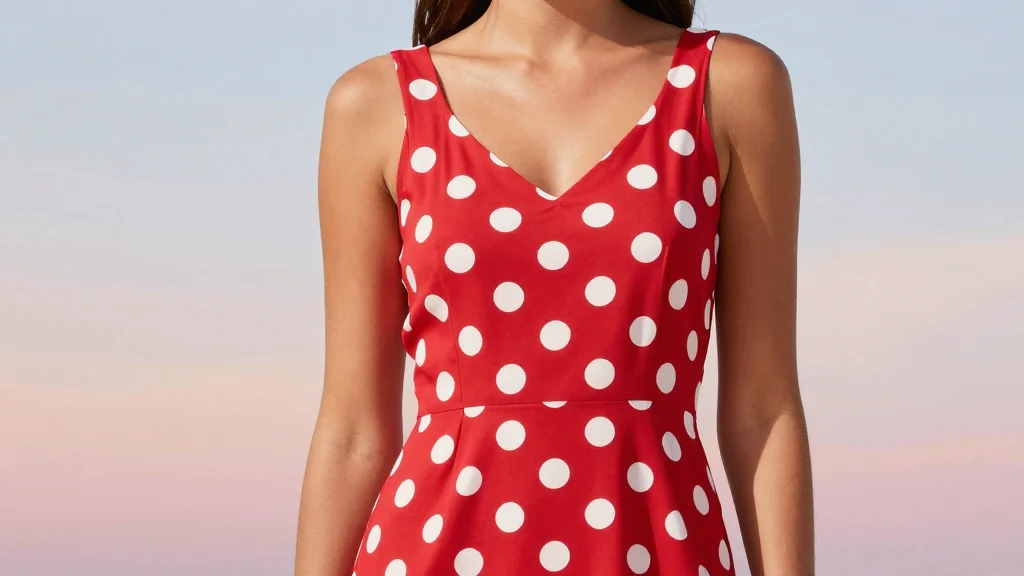
Polka Dot Resurgence: Affordable Spring Styles From $25 Up

Companies Mentioned
Why It Matters
The polka‑dot resurgence illustrates how a classic print can be re‑energised through strategic pricing and cross‑generational appeal. For retailers, the trend offers a low‑risk entry point to boost spring sales, while for designers it provides a canvas to reinterpret heritage motifs for modern consumers. The pattern’s visibility on high‑profile figures such as Kate Middleton also reinforces its aspirational value, encouraging shoppers to seek out affordable versions that capture a touch of royalty. Moreover, the trend underscores a broader shift toward nostalgic fashion cycles, where designers and retailers mine mid‑century aesthetics to meet contemporary demand. By delivering the look at $25‑plus price points, brands can capture a larger market share, driving volume sales that offset lower margins. This dynamic could reshape how fast‑fashion and high‑street players plan seasonal collections, emphasizing timeless prints over fleeting novelty items.
Key Takeaways
- •Polka dots return as spring's leading print, with items starting at $25 (≈£20)
- •M&S gingham shorts praised for fit, priced at $25, targeting value‑seeking shoppers
- •Ghospell and Nobody’s Child launch coordinated dotty looks, blending runway heritage with street‑wear
- •Royal endorsement: Kate Middleton and Harriet Sperling spotted in polka‑dot ensembles
- •Retailers anticipate strong sell‑through, planning dedicated displays and potential designer collaborations
Pulse Analysis
The polka‑dot revival is more than a fleeting aesthetic; it signals a calculated convergence of heritage branding and price‑point accessibility. Historically, patterns that achieve runway acclaim often trickle down to mass markets, but the speed of this diffusion has accelerated thanks to social media amplification. Brands that can quickly translate runway motifs into $25‑plus products stand to capture both early adopters and budget‑driven consumers, creating a dual‑layered revenue stream.
From a competitive standpoint, the trend pits traditional high‑street chains against emerging niche labels that specialize in retro prints. While M&S leverages its extensive distribution network to push volume, smaller brands like Ghospell differentiate through design nuance—bubble‑hem details, oversized dots—that appeal to fashion‑forward shoppers seeking uniqueness. The market will likely see a tiered response: mass retailers saturate the market with basics, while boutique labels command premium pricing for limited‑edition or artisanal variations.
Looking forward, the sustainability angle could become a decisive factor. As consumers increasingly scrutinise the environmental impact of fast‑fashion cycles, brands that pair the polka‑dot trend with eco‑friendly fabrics or circularity programs may gain a competitive edge. Retailers that embed sustainability messaging into their polka‑dot campaigns could not only boost sales but also strengthen brand loyalty among the growing cohort of conscious shoppers. The next few months will reveal whether the pattern’s resurgence translates into lasting market share or fades as a seasonal novelty.
Polka Dot Resurgence: Affordable Spring Styles From $25 Up
Comments
Want to join the conversation?
Loading comments...