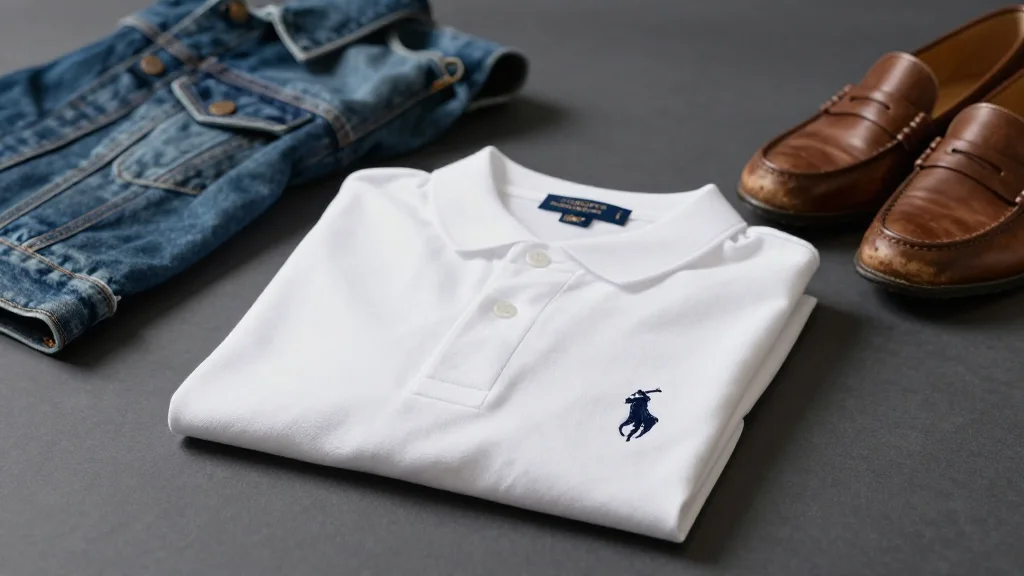
Polo Ralph Lauren’s Resale‑Fueled ‘Neo Nostalgia’ Surge Revives Preppy Style

Companies Mentioned
Why It Matters
The resurgence of Polo Ralph Lauren illustrates how the resale market can act as a catalyst for brand revitalization, especially for legacy labels with deep archives. By leveraging consumer desire for authentic, high‑quality staples, brands can bypass the traditional seasonal hype cycle and tap into a more sustainable growth model. For the broader fashion ecosystem, the trend signals a shift toward circularity and a redefinition of brand equity. Companies that can align their heritage with contemporary values—such as sustainability, individuality, and digital‑first discovery—stand to capture both new revenue streams and heightened cultural relevance.
Key Takeaways
- •Depop reports a 44% rise in Polo Ralph Lauren searches and a 35% jump for vintage items in the last month.
- •The keyword “preppy” is up 85% year‑to‑date, reflecting broader consumer interest.
- •Ralph Lauren’s fall 2026 Milan show featured 1990s‑inspired pieces, igniting the resale buzz.
- •Harriet Lowson of Depop describes the trend as “Neo Nostalgia,” emphasizing curated personal style.
- •Industry analysts view the surge as a blueprint for other heritage brands seeking relevance through resale.
Pulse Analysis
The Polo Ralph Lauren comeback is less about a single runway moment and more about the convergence of three forces: a nostalgic cultural mood, the rise of resale platforms as trend incubators, and the strategic use of brand archives. Historically, heritage houses have struggled to stay relevant without diluting their DNA. By allowing vintage pieces to surface organically on platforms like Depop, Ralph Lauren sidesteps the risk of over‑extending its contemporary line while still feeding the appetite for its iconic silhouettes.
From a market perspective, the resale surge provides a low‑cost, high‑visibility channel that can be measured in real time. The 44% search lift translates into a quantifiable signal that can inform inventory decisions, product development, and even pricing strategies. Competitors such as Tommy Hilfiger and Lacoste are already monitoring these metrics, hinting at a possible wave of archive‑driven revivals across the pre‑ppy segment.
Looking forward, the key question is sustainability. If the resurgence is driven primarily by secondary‑market activity, the primary brand must find ways to monetize that interest—through official vintage reissues, authentication services, or partnership‑based resale programs. Failure to capture value from the resale ecosystem could leave the brand vulnerable to copycats and erode margins. Conversely, a well‑executed integration could set a new standard for how legacy fashion houses engage with the circular economy, turning nostalgia into a durable growth engine.
Polo Ralph Lauren’s Resale‑Fueled ‘Neo Nostalgia’ Surge Revives Preppy Style
Comments
Want to join the conversation?
Loading comments...