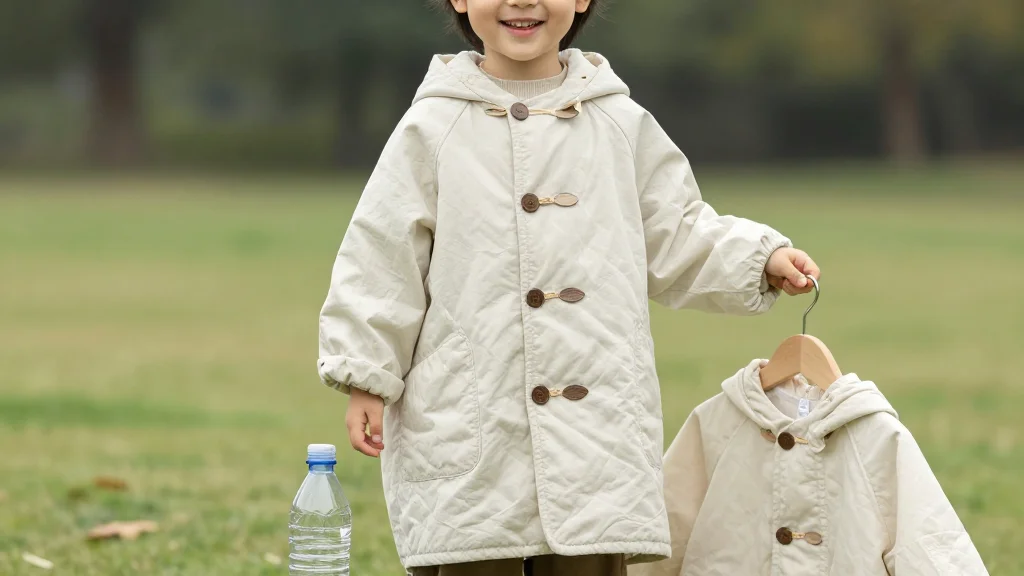
PO.P at 50: ‘Childrenswear’s Future Lies in Longevity, Not Trends’
Why It Matters
The emphasis on durability meets rising consumer demand for sustainable, cost‑effective childrenswear, unlocking growth for PO.P and setting a benchmark for the industry.
Key Takeaways
- •PO.P celebrates 50 years with focus on durability
- •66% of outerwear worn by three children or more
- •New 50 Collection blends iconic designs with recycled materials
- •UK stores offer in‑store second‑hand resale for vouchers
- •Parents prioritize longevity over seasonal trends in childrenswear
Pulse Analysis
The childrenswear market is undergoing a fundamental shift from fast‑fashion cycles to durability‑driven purchasing. Parents, especially in mature economies, are scrutinizing the lifecycle cost of garments, favoring pieces that can survive multiple growth stages and be handed down. This trend aligns with broader sustainability goals, as longer‑lasting clothing reduces waste and carbon footprints, creating a compelling value proposition for brands that can prove durability through material science and functional design.
PO.P leverages its Nordic heritage to meet this demand, integrating organic cotton and recycled‑plastic polyester into every collection. Its recent 50 Collection reimagines iconic silhouettes with modern performance fabrics, reinforcing the brand’s promise of wearability across generations. The company’s UK strategy—combining flagship stores in London and Cambridge with an in‑store second‑hand resale platform—offers consumers tangible circularity, turning used garments into vouchers and extending product life locally. Such initiatives not only deepen brand loyalty but also generate incremental revenue streams from resale margins.
Looking ahead, PO.P’s longevity‑centric model could reshape industry standards, prompting competitors to embed durability metrics into product development and marketing. As digital commerce amplifies access to sustainable options, brands that couple transparent material sourcing with resale ecosystems are poised to capture a growing segment of eco‑conscious families. For investors and retailers, PO.P’s approach illustrates how responsible consumption can drive profitable growth while advancing the circular economy in the childrenswear sector.
PO.P at 50: ‘Childrenswear’s future lies in longevity, not trends’
Comments
Want to join the conversation?
Loading comments...