Companies Mentioned
Why It Matters
The deal injects capital and brand‑building expertise into a storied Italian house, positioning it for expansion beyond fashion into lifestyle real estate. It also signals accelerating consolidation of luxury brands under diversified brand‑management firms.
Key Takeaways
- •Marquee Brands adds Roberto Cavalli as its 22nd portfolio brand
- •Deal gives DAMAC a significant stake and future residential projects
- •The Level Group will oversee Cavalli's global apparel production
- •Acquisition follows wave of fashion brand buyouts by private investors
Pulse Analysis
The acquisition of Roberto Cavalli underscores a broader shift in the luxury sector, where brand‑management firms are assembling diversified portfolios to capture multiple revenue streams. Marquee Brands, known for consumer‑facing names like Martha Stewart and BCBGMAXAZRIA, now gains a high‑profile Italian fashion house, giving it a foothold in the ultra‑luxury market. This move mirrors recent purchases of Marc Jacobs and Everlane, reflecting investors’ belief that heritage labels can be revitalized through strategic licensing, digital commerce, and cross‑category expansion.
Partnering with DAMAC Group adds a real‑estate dimension rarely seen in fashion deals. DAMAC plans to develop Roberto Cavalli‑branded residences and hospitality concepts, leveraging the label’s glamorous aesthetic to attract affluent buyers seeking lifestyle experiences. By aligning fashion design with property development, the partnership creates a seamless brand ecosystem that can command premium pricing and generate recurring income beyond seasonal collections. The Level Group’s role in overseeing production ensures that quality and creative direction remain consistent across new categories.
For the industry, this transaction highlights the growing importance of brand stewardship over pure design talent. Investors are betting that disciplined brand architecture, coupled with data‑driven retail and experiential offerings, can revive legacy houses that have struggled with shifting consumer tastes. As more luxury names become part of larger conglomerates, competition will intensify around brand extensions, sustainability initiatives, and digital engagement. Stakeholders should watch how Cavalli’s expansion into real estate and new product lines influences valuation benchmarks for similar acquisitions.
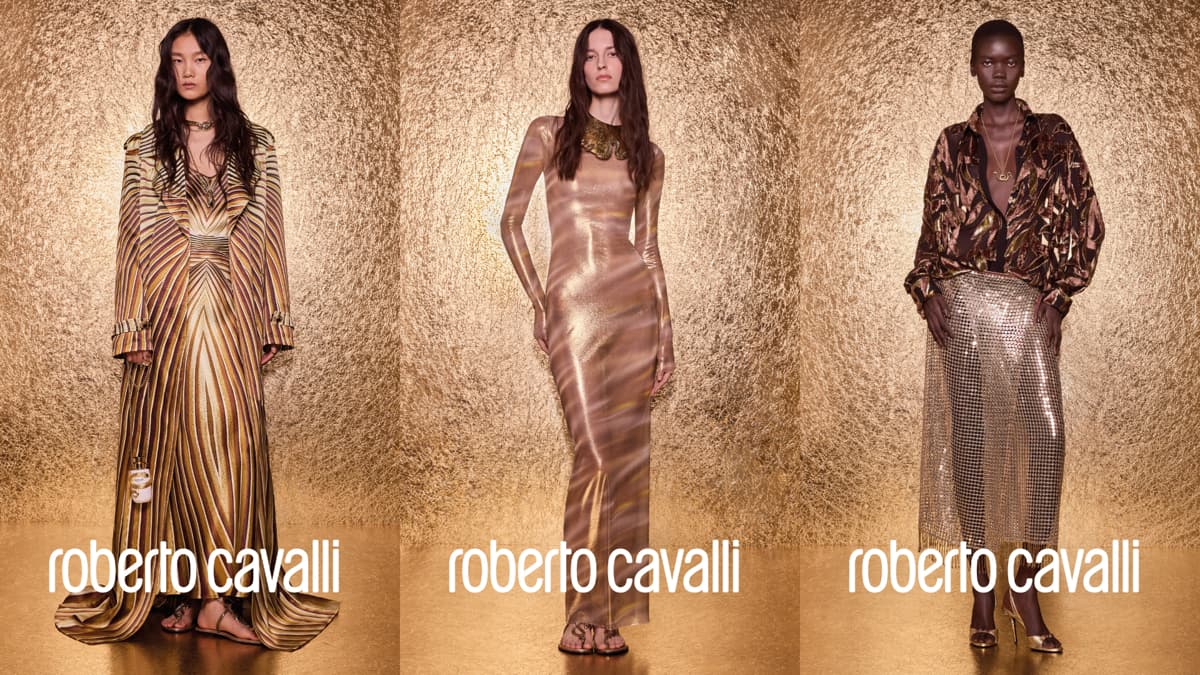
Roberto Cavalli Has a New Owner
Comments
Want to join the conversation?
Loading comments...