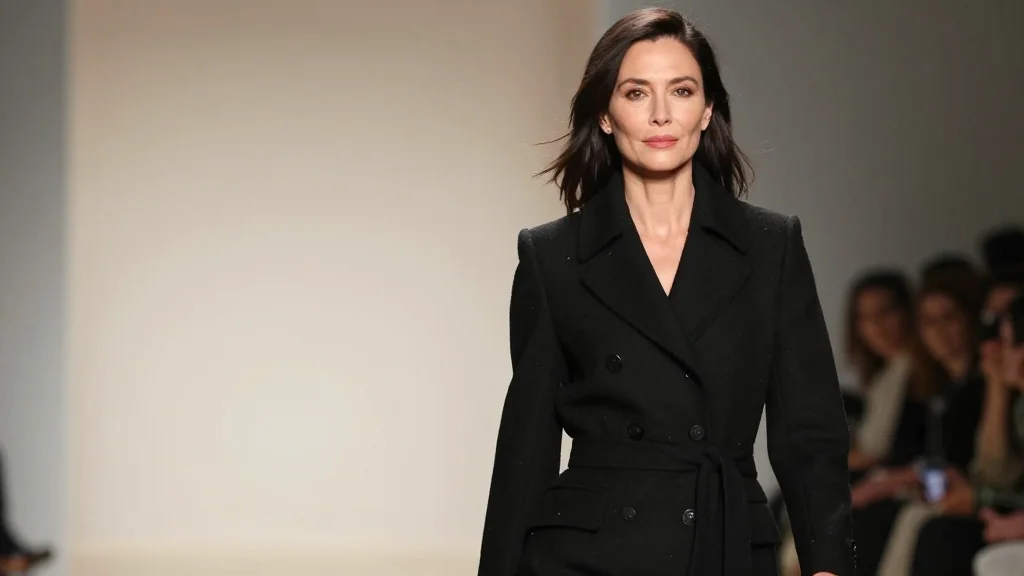
Runway Revival: Older Models Dominate Fashion Shows as Age Diversity Soars

Why It Matters
The rise of older models challenges long‑standing beauty norms and signals a broader redefinition of desirability in fashion. By reflecting the lived experiences of a growing segment of consumers, brands can deepen loyalty and differentiate themselves in a crowded market. Moreover, the visibility of senior talent may inspire more inclusive hiring across related sectors—photography, styling and advertising—potentially reshaping the entire creative pipeline. At the same time, the focus on age without parallel progress on size, ethnicity or disability inclusion risks creating a new hierarchy of representation. Stakeholders will need to balance the celebration of age with a holistic approach to diversity to avoid substituting one narrow ideal for another.
Key Takeaways
- •Chanel opened with 50‑year‑old Stephanie Cavalli, one of 15 models over 40 on its runway.
- •Bottega Veneta, Tom Ford and Givenchy each featured nine senior models in their shows.
- •Tagwalk data shows 100 % of the top‑20 brands included at least one older model, versus 5 % for plus‑size models.
- •Anna Wintour stated, “I feel age is actually an advantage,” in Vogue’s latest issue.
- •Veteran model Viktorija Bauzyte highlighted the shift, noting past expectations of short modelling careers.
Pulse Analysis
The current wave of age diversity on the runway can be traced back to two converging forces: demographic aging and the rise of authenticity‑driven marketing. In the 1990s and early 2000s, luxury fashion built its cachet on youth, with agencies pruning talent once models hit their late twenties. Today, the median age of high‑spending consumers in key markets has risen to the mid‑40s, and brands are recalibrating their visual language to mirror that reality.
From a competitive standpoint, early adopters like Chanel and Givenchy are positioning themselves as pioneers of an "intergenerational" aesthetic, potentially capturing media attention and consumer goodwill that slower adopters may miss. However, the strategy carries risk: if the inclusion of older faces is perceived as tokenism rather than genuine representation, backlash could erode brand equity. The industry’s next test will be whether age diversity can be woven into the creative DNA of collections, influencing design choices, fabric selections and storytelling, rather than remaining a runway footnote.
Looking forward, the sustainability of this trend will depend on systemic changes in talent scouting, agency contracts and compensation structures. If agencies begin to represent senior models as a core segment rather than a novelty, we may see a cascade effect—more editorial spreads, advertising campaigns, and even product lines tailored to older consumers. In that scenario, the runway becomes a barometer, not a catalyst, for a fashion ecosystem that finally embraces the full spectrum of human experience.
Runway Revival: Older Models Dominate Fashion Shows as Age Diversity Soars
Comments
Want to join the conversation?
Loading comments...