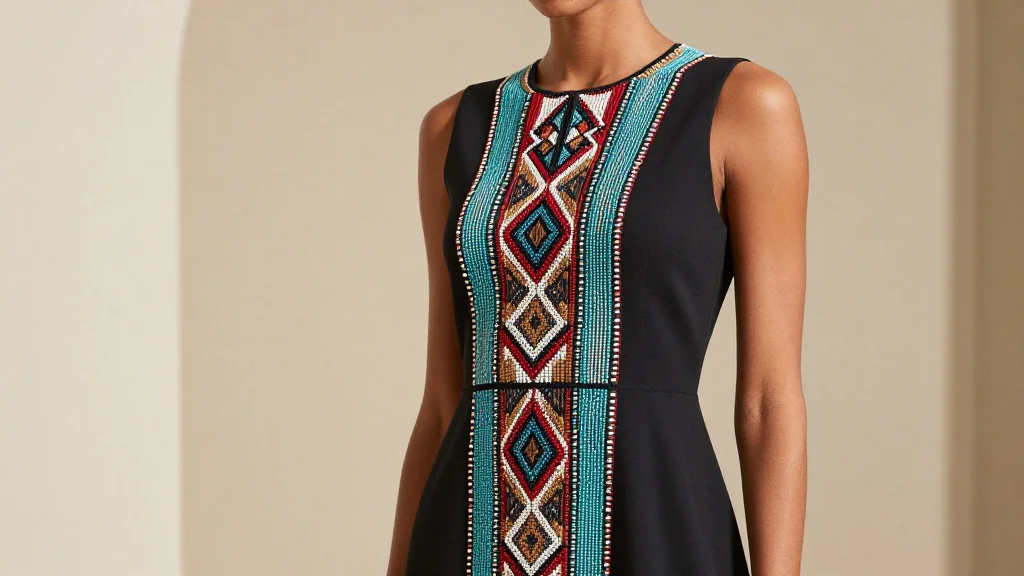
Santa Fe Indigenous Fashion Show Marries Tradition with Contemporary Design

Why It Matters
The Santa Fe Indigenous fashion show underscores a broader movement toward inclusive representation in the apparel industry. By giving Native designers a high‑visibility platform, the event helps preserve traditional techniques that might otherwise fade, while also demonstrating that these practices can thrive in contemporary markets. For consumers, the showcase provides a direct line to authentic, ethically produced garments, challenging the dominance of fast‑fashion narratives. From an economic perspective, the exposure can translate into new distribution channels for designers who have historically relied on local craft fairs. As major retailers and online platforms look to diversify their offerings, events like this serve as scouting grounds, potentially leading to collaborations that bring Indigenous aesthetics to a wider audience while ensuring creators retain ownership and profit share.
Key Takeaways
- •Friday's runway at Eldorado Hotel and Spa featured designers Son of Picasso, Patricia Semprez, Patricia Michaels, Isaac Kemp and artist Chenoa Williams.
- •Models Delonté and Jefa showcased garments that combined beadwork, hand‑woven fabrics and modern tailoring.
- •The Native Creatives Market positioned the event as a launchpad for Indigenous designers seeking broader market access.
- •Organizers plan to expand the market into a multi‑day festival with workshops on sustainable sourcing and digital marketing.
- •The show highlights a shift toward authentic Indigenous representation amid industry calls for greater diversity.
Pulse Analysis
The Santa Fe Indigenous fashion show is more than a regional showcase; it signals a turning point in how the fashion industry sources cultural narratives. Historically, Indigenous motifs have been co‑opted by mainstream brands without credit or compensation. By centering Native designers and artisans, the event flips that script, allowing creators to dictate the terms of their cultural expression. This aligns with a broader consumer trend favoring transparency and ethical sourcing, which has forced luxury houses to reevaluate their design pipelines.
From a market dynamics angle, the event creates a micro‑ecosystem where designers, material suppliers, and buyers converge. The presence of beaded cuffs and jewelry alongside runway pieces illustrates a vertical integration model that could reduce reliance on third‑party distributors. If the planned expansion includes digital showcases, designers could tap into e‑commerce channels that bypass traditional gatekeepers, accelerating revenue growth and brand recognition.
Looking forward, the success of this runway could inspire similar initiatives in other cultural hubs, fostering a network of Indigenous fashion incubators across the United States. Such a network would not only preserve diverse artistic traditions but also inject fresh aesthetic perspectives into the global fashion dialogue, potentially reshaping trend cycles for years to come.
Santa Fe Indigenous Fashion Show Marries Tradition with Contemporary Design
Comments
Want to join the conversation?
Loading comments...