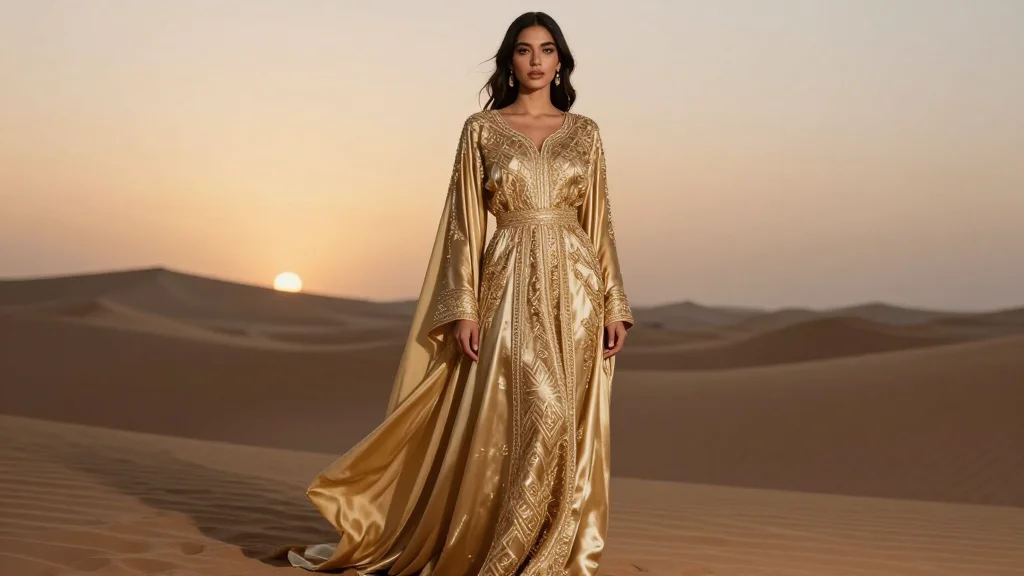
Saudi Designer Mohammed Ashi Lights Up 2026 Met Gala, Boosting Kingdom's Luxury Fashion Surge

Why It Matters
Saudi Arabia’s fashion emergence signals a shift in the global luxury hierarchy, introducing new cultural narratives and expanding the geographic diversity of high‑end design. The blend of heritage craftsmanship with modern luxury offers consumers fresh storytelling, while the Kingdom’s state‑backed ecosystem could inspire other emerging markets to develop similar fashion corridors. Moreover, the rise challenges traditional fashion capitals to accommodate new creative voices, potentially reshaping talent pipelines, investment flows, and consumer preferences worldwide. The movement also carries socio‑economic weight within the Kingdom. By creating high‑skill jobs, fostering creative industries, and projecting a progressive national image, fashion becomes a soft‑power tool that complements Saudi Arabia’s broader Vision 2030 goals. Success on the global stage could accelerate cultural liberalization at home, reinforcing a virtuous cycle of artistic expression and economic diversification.
Key Takeaways
- •Mohammed Ashi’s couture featured on the 2026 Met Gala red carpet, the first Saudi label at the event.
- •Saudi Fashion Commission, Fashion Futures and Saudi 100 Brands programs provide training and global exposure for designers.
- •Riyadh Fashion Week now a regular stop on the international fashion calendar, attracting global media and buyers.
- •Cultural liberalization in Saudi Arabia grants designers greater creative freedom to merge heritage with modern luxury.
- •Upcoming 2027 Paris Haute Couture Week will showcase multiple Saudi houses, testing long‑term market viability.
Pulse Analysis
The Saudi fashion surge is more than a flash of runway glamour; it reflects a deliberate state‑led strategy to diversify an oil‑dependent economy through cultural capital. By investing in education, infrastructure and international showcase opportunities, the Kingdom is engineering a pipeline that can feed luxury brands with distinctive, story‑rich products. Historically, fashion capitals have thrived on a mix of heritage and novelty—think Milan’s tailoring or Paris’s avant‑garde. Saudi designers now occupy a similar niche, offering a narrative that Western houses cannot replicate, which could translate into lucrative licensing deals and collaborative collections.
However, the rapid rise also exposes structural vulnerabilities. Scaling artisanal production while preserving authenticity is a classic challenge for emerging luxury markets. If Saudi houses cannot secure reliable supply chains or maintain quality at volume, they risk being dismissed as fleeting trends. Moreover, the influx of state funding may attract scrutiny over creative independence, potentially stifling the very experimentation that fuels their appeal.
Looking forward, the true test will be commercial sustainability beyond runway hype. Success will hinge on the ability of Saudi designers to convert critical acclaim into consistent sales across global boutiques and e‑commerce platforms. If they manage this, Saudi Arabia could cement a lasting foothold in the luxury ecosystem, reshaping consumer expectations and prompting established houses to seek deeper collaborations with the Kingdom’s burgeoning talent pool.
Saudi Designer Mohammed Ashi Lights Up 2026 Met Gala, Boosting Kingdom's Luxury Fashion Surge
Comments
Want to join the conversation?
Loading comments...