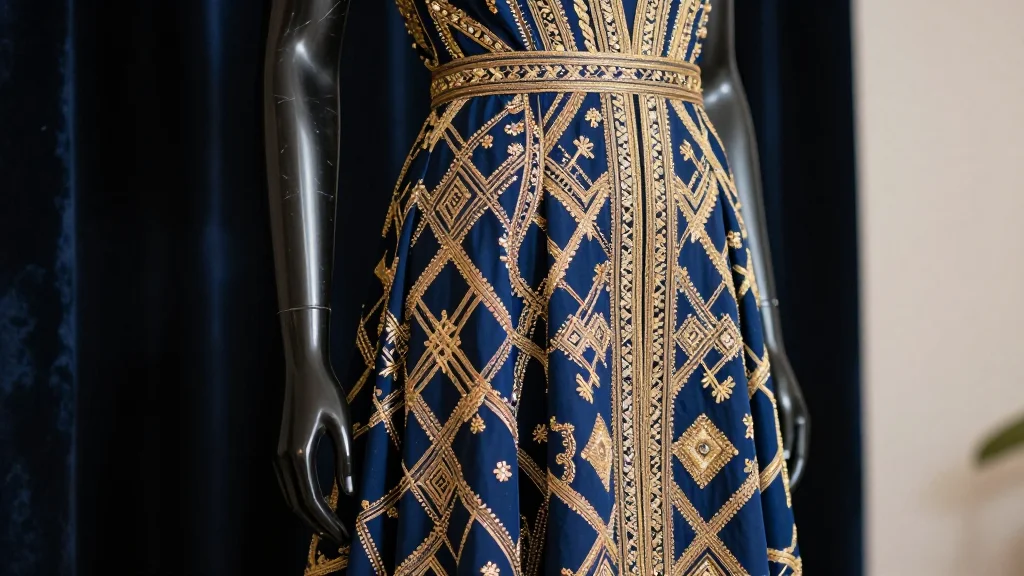
Saudi Designers Shine at 2026 Met Gala, Signaling Global Luxury Rise

Why It Matters
The rise of Saudi fashion signals a diversification of the luxury market, traditionally dominated by European houses. By foregrounding heritage crafts such as Sadu weaving, Saudi designers are offering consumers a narrative of authenticity and sustainability that aligns with shifting buyer preferences. Moreover, the Kingdom’s strategic investments demonstrate how state policy can accelerate cultural industries, potentially inspiring similar initiatives in other emerging markets. For Western fashion houses, the Saudi surge presents both a competitive challenge and a partnership opportunity. Collaborations could grant access to new materials, design philosophies, and affluent Gulf consumers, while also allowing legacy brands to tap into the region’s growing appetite for high‑end, culturally resonant products.
Key Takeaways
- •Ashi Studio dressed Emily Blunt, Sabine Getty, Ananya Birla and Jennifer Rubio at the 2026 Met Gala.
- •Mohammed Ashi became the first Gulf designer to show at Paris Haute Couture Week in 2023.
- •Saudi Fashion Commission, Fashion Futures and Saudi 100 Brands provide training and global exposure for designers.
- •Riyadh Fashion Week has become a new stop on the international fashion calendar.
- •Designer Shahd AlShehail highlights traditional Sadu weaving as a core inspiration for modern luxury.
Pulse Analysis
Saudi Arabia’s fashion surge is more than a flash of celebrity endorsement; it reflects a deliberate, state‑driven strategy to reposition the Kingdom as a cultural exporter. Historically, luxury has been anchored in European ateliers, but the infusion of Middle Eastern aesthetics offers a fresh visual vocabulary that resonates with a global audience seeking novelty and depth. The Met Gala exposure acted as a catalyst, translating niche regional talent into mainstream relevance.
The government’s role cannot be overstated. By creating funding pipelines and institutional support, Saudi Arabia has lowered barriers that typically impede emerging designers—such as capital constraints and limited access to international showrooms. This model mirrors the early 2000s rise of South Korean pop culture, where coordinated public‑private initiatives accelerated global acceptance. As Saudi designers continue to secure runway slots and high‑profile collaborations, the Kingdom may soon command a share of the luxury market comparable to Italy or France.
Looking forward, the key variable will be sustainability. While heritage crafts provide an eco‑friendly narrative, scaling production without diluting authenticity will test the industry’s capacity for responsible growth. If Saudi fashion can marry its artisanal roots with transparent, green supply chains, it could set a new benchmark for luxury—one that blends cultural storytelling with the environmental expectations of the next generation of consumers.
Saudi Designers Shine at 2026 Met Gala, Signaling Global Luxury Rise
Comments
Want to join the conversation?
Loading comments...