Why It Matters
The phenomenon illustrates how fashion houses can drive accessory sales by creating conspicuous designs, while influencers generate revenue by exploiting consumer uncertainty, reshaping the economics of style guidance.
Key Takeaways
- •Influencer videos monetize styling “how‑to” advice
- •Celine, Loewe, Givenchy showcase oversized neck scarves
- •Designs risk breathing comfort, sparking consumer safety concerns
- •Fashion brands turn accessories into statement pieces, driving sales
- •Social media amplifies consumer anxiety over correct styling
Pulse Analysis
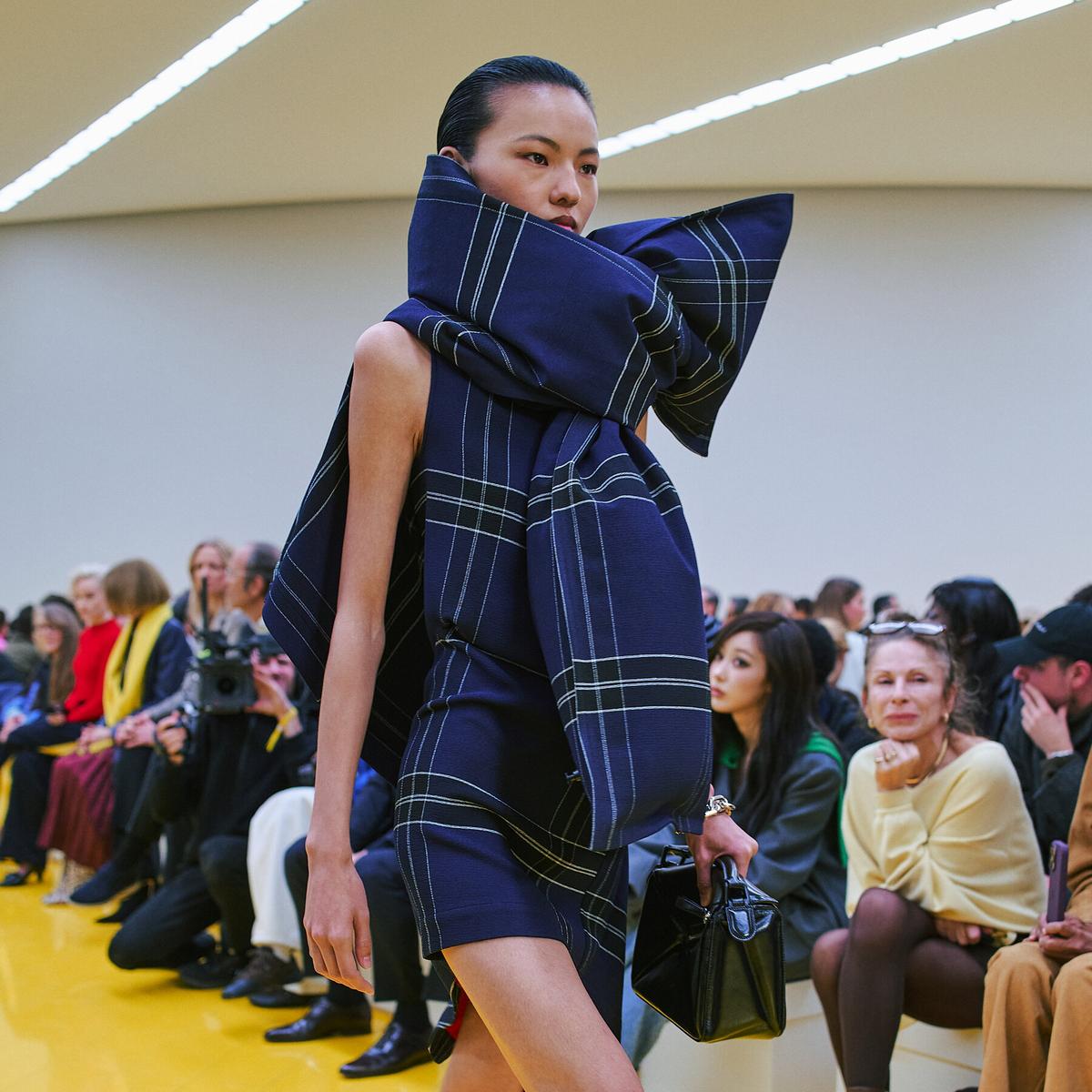
The spring‑summer 2026 collections have elevated the humble scarf into a theatrical focal point, with Celine, Loewe and Givenchy draping models in voluminous wraps that extend to the nostrils. These designs blur the line between fashion and function, prompting observers to question comfort and even safety as the fabric constricts the airway. By exaggerating proportion, designers signal exclusivity and invite media coverage, turning a basic accessory into a headline‑grabbing statement. This visual shock value aligns with luxury brands’ strategy to differentiate on runway spectacle rather than traditional tailoring.
Simultaneously, short‑form platforms have birthed a cottage industry of styling tutorials that promise to ‘fix’ the way consumers wear scarves. Influencers leverage high view counts and affiliate links, converting anxiety into ad revenue while reinforcing the notion that there is a single correct method. Brands quietly benefit from this ecosystem, as heightened awareness drives demand for premium scarves that meet the newly established aesthetic standards. The feedback loop between runway hype and user‑generated advice amplifies purchase intent, illustrating how digital content can extend the lifecycle of a seasonal accessory.
From a business perspective, the convergence of avant‑garde design and influencer guidance creates a lucrative micro‑market for accessory accessories. Retailers can capitalize by offering curated “how‑to” kits, limited‑edition fabrics, and QR‑linked styling videos that bridge the gap between runway intent and everyday wear. However, the emphasis on extreme silhouettes may attract regulatory scrutiny if safety concerns become prominent. Companies that balance artistic ambition with practical wearability are likely to sustain growth, while those that rely solely on shock value risk consumer fatigue.
Scarf Anxieties
0
Comments
Want to join the conversation?
Loading comments...