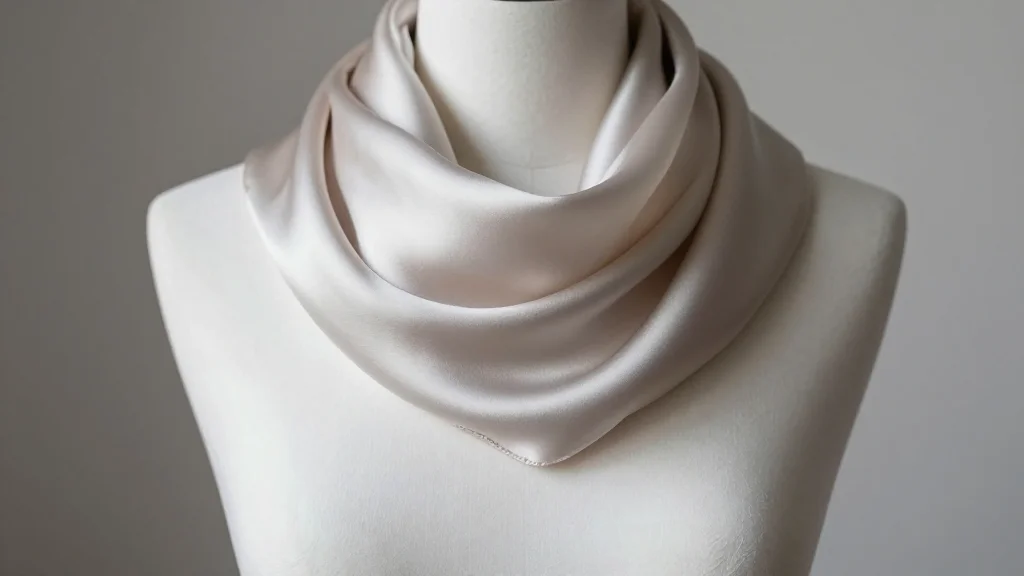
Scarf Takes Center Stage, Dominating Runways and Street Style

Companies Mentioned

Why It Matters
The scarf’s elevation reshapes the accessory market, prompting manufacturers to invest in new fabrics, sustainable production methods, and innovative designs. Retailers that quickly adapt can capture a growing segment of consumers seeking versatile, statement‑making pieces. For the industry, the trend underscores a shift toward modular styling, where a single item can serve multiple functions. This flexibility aligns with sustainability goals, as consumers can refresh wardrobes with fewer purchases, extending the lifecycle of each piece.
Key Takeaways
- •Celine, Ferragamo, Louis Vuitton and others featured scarves as core runway elements this season
- •Designers are integrating scarves into tops, jackets, and structured garments
- •Gen‑Z street style adopts scarves as belts, bag accessories, and headwear
- •Retailers are launching scarf‑focused collections across silk, leather, and recycled fabrics
- •The trend supports sustainability by encouraging multi‑use styling
Pulse Analysis
The scarf’s rise reflects a broader industry pivot toward modularity and sustainability. By positioning a single accessory as both decorative and structural, brands can offer consumers greater styling flexibility while reducing the need for multiple separate items. This aligns with the growing demand for eco‑friendly fashion, where fewer, more versatile pieces are preferred.
Historically, accessories have oscillated between peripheral status and occasional spotlight moments—think the 1990s belt bag or the early‑2000s oversized sunglasses. The current wave differs in its depth; designers are embedding scarves into the construction of garments, not merely accessorizing them. This integration suggests a longer‑term redefinition of product categories, potentially prompting new SKU strategies and supply‑chain adjustments.
Looking ahead, the scarf could serve as a platform for tech integration, such as smart fabrics that change color or temperature. Brands that experiment early may capture a niche of tech‑savvy consumers, further cementing the scarf’s role as a multifunctional fashion element. The key for retailers will be balancing rapid trend adoption with quality and sustainability, ensuring the scarf remains a lasting staple rather than a passing fad.
Scarf Takes Center Stage, Dominating Runways and Street Style
Comments
Want to join the conversation?
Loading comments...