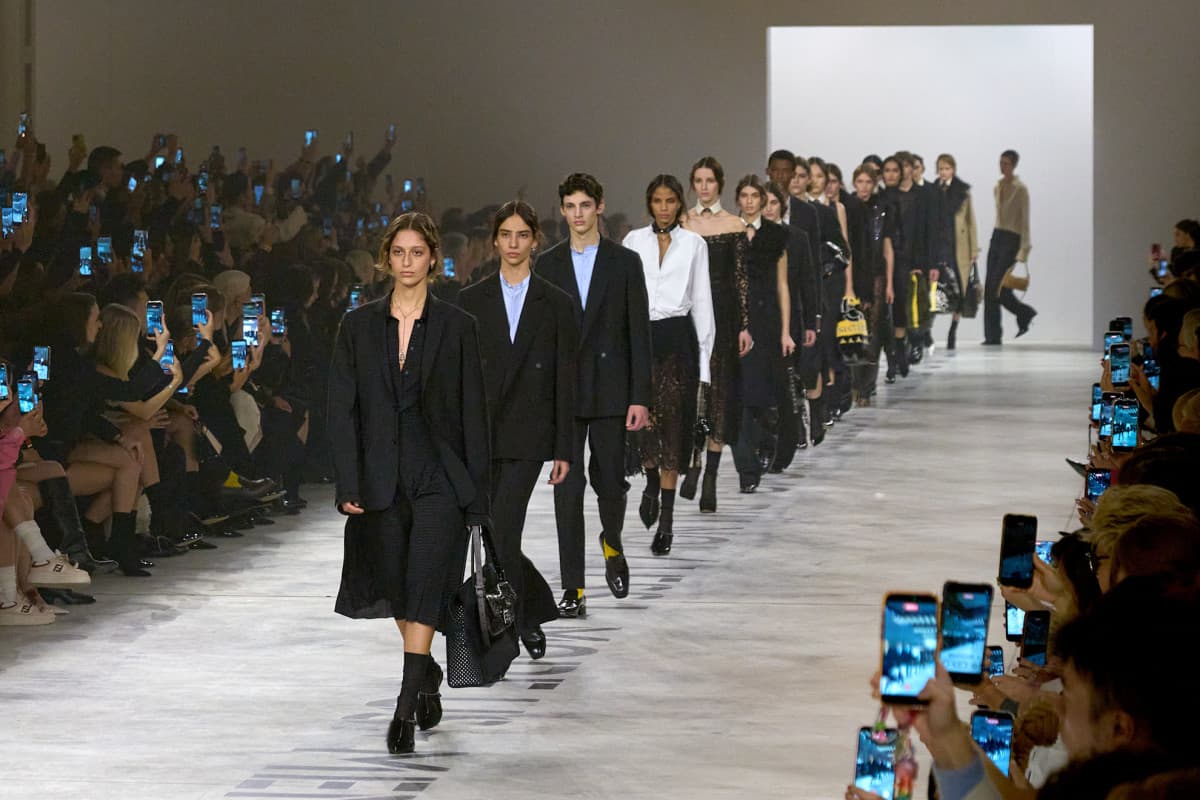
See the Fall 2026 Debut Collections From Fashion's Newest Wave of Creative Directors
•March 11, 2026
0
Why It Matters
These appointments redefine brand narratives, influencing luxury market positioning and setting new design directions that resonate with evolving consumer tastes.
Key Takeaways
- •Rachel Scott's solo Proenza Schouler debut emphasizes lived‑in silhouettes
- •Demna's Gucci collection revives Tom Ford‑inspired sensual aesthetic
- •Antonin Tron inherits Balmain, blends heritage with modern prints
- •Creative director swaps reshape luxury brand narratives this season
- •Debuts heighten competition among New York, Milan, Paris weeks
Pulse Analysis
The wave of creative director changes this season reflects a broader industry strategy: brands are leveraging fresh artistic vision to revitalize heritage DNA and capture younger, experience‑driven shoppers. Luxury houses have long relied on iconic designers to signal evolution, and the recent appointments at Proenza Schouler, Gucci, and Balmain underscore a competitive sprint to redefine relevance in a post‑pandemic market where authenticity and narrative depth drive purchase decisions.
Rachel Scott’s Proenza Schouler debut broke from the label’s historically polished aesthetic, opting for relaxed, lived‑in garments that echo a growing demand for comfort without sacrificing luxury. Demna’s Gucci presentation, with its tight silhouettes and leather‑on‑leather layering, nods to Tom Ford’s 1990s glamour while injecting a contemporary edge that appeals to club‑culture influencers. Meanwhile, Antonin Tron’s Balmain collection respects the house’s structured heritage—strong shoulders and opulent gold—yet introduces bold animal prints, signaling a hybrid of tradition and modern street sensibility.
These creative shifts have ripple effects beyond the runway. Investors monitor director appointments as leading indicators of future sales trajectories, while retailers adjust buying strategies to align with the anticipated aesthetic direction. Moreover, the heightened competition among New York, Milan, and Paris weeks amplifies media coverage, driving digital engagement and reinforcing the luxury sector’s cultural cachet. As brands continue to appoint visionary leaders, the industry can expect an accelerated pace of innovation, with design narratives increasingly intertwined with sustainability, digital experiences, and a consumer base that values both heritage and forward‑thinking creativity.
See the Fall 2026 Debut Collections From Fashion's Newest Wave of Creative Directors
0
Comments
Want to join the conversation?
Loading comments...