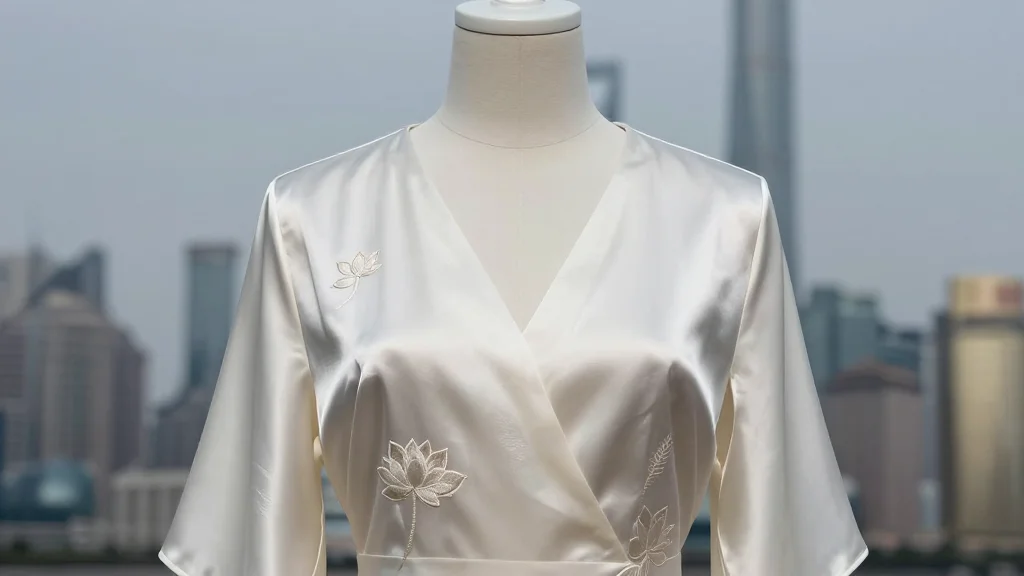
Shanghai Fashion Week FW26 Spotlights Emerging Designers and Global Trends

Why It Matters
Shanghai Fashion Week FW26 marks a pivotal moment for China’s fashion sector, illustrating how domestic designers are moving from regional obscurity to global relevance. The emphasis on sustainability and experiential formats aligns the Chinese market with the values driving consumer choices in mature economies, potentially reshaping sourcing strategies for multinational retailers. Moreover, the event’s success in attracting high‑profile collaborations signals that Shanghai is maturing into a credible alternative to the traditional fashion capitals, offering new avenues for brand expansion and cultural exchange. The rise of platforms like Labelhood and the New Wave Fashion Competition also democratizes talent discovery, reducing reliance on legacy gatekeepers and fostering a more inclusive industry ecosystem. This could accelerate the diffusion of Chinese design aesthetics into mainstream global fashion, influencing everything from runway silhouettes to retail merchandising.
Key Takeaways
- •Shanghai Fashion Week FW26 featured a mix of international houses and emerging Chinese designers.
- •Susan Fang highlighted sustainability, gaining attention from European and North American buyers.
- •Maison Margiela collaborated on an immersive exhibition, emphasizing experiential fashion.
- •The New Wave Fashion Competition introduced site‑specific installations, expanding brand storytelling.
- •Platforms like Labelhood facilitated direct buyer access to independent Chinese talent.
Pulse Analysis
Shanghai’s FW26 illustrates a strategic pivot from pure runway spectacle to a holistic fashion ecosystem that blends design, sustainability, and cultural experience. By foregrounding emerging talent and eco‑conscious collections, the week aligns Chinese fashion with the values that dominate consumer decision‑making in the West, positioning Shanghai as a conduit for trend migration rather than a peripheral market.
Historically, Chinese fashion has been perceived as derivative, often echoing Western aesthetics. FW26 disrupts that narrative by showcasing designers who speak a distinct, hybrid language—rooted in local heritage yet articulated through globally resonant themes. This evolution mirrors the broader economic recalibration of China’s luxury sector, where domestic consumption now rivals foreign demand. As global brands seek authentic, locally sourced narratives, Shanghai’s burgeoning talent pool offers a ready supply of fresh perspectives.
Looking ahead, the real test will be whether these designers can sustain momentum beyond the regional stage. Success will depend on their ability to translate Shanghai’s experimental formats into scalable business models that meet the rigorous standards of global retail. If they do, Shanghai could cement its role as a third fashion capital, reshaping the competitive dynamics of the industry and redefining where the next wave of global trends originates.
Shanghai Fashion Week FW26 Spotlights Emerging Designers and Global Trends
Comments
Want to join the conversation?
Loading comments...