Shu Qi’s Cut‑Out Gown and Jun Ji‑Hyun’s Jewel‑Heavy Look Lead Taiwan Fashion Week

Why It Matters
The contrasting styles of Shu Qi and Jun Ji‑hyun provide a real‑time barometer of shifting luxury preferences in the Asian market. Shu Qi’s minimalist cut‑out gown taps into a desire for sophisticated, understated elegance, while Jun Ji‑hyun’s jewel‑heavy presentation caters to consumers seeking overt displays of wealth. Together, they signal that luxury brands must balance these opposing impulses to capture a broader audience. Moreover, the visibility of these looks at a high‑profile event like Taiwan’s Fashion Week amplifies their impact on retail sales. Early indicators show spikes in both high‑end apparel and accessory categories, suggesting that celebrity endorsement remains a potent driver of consumer behavior in the region.
Key Takeaways
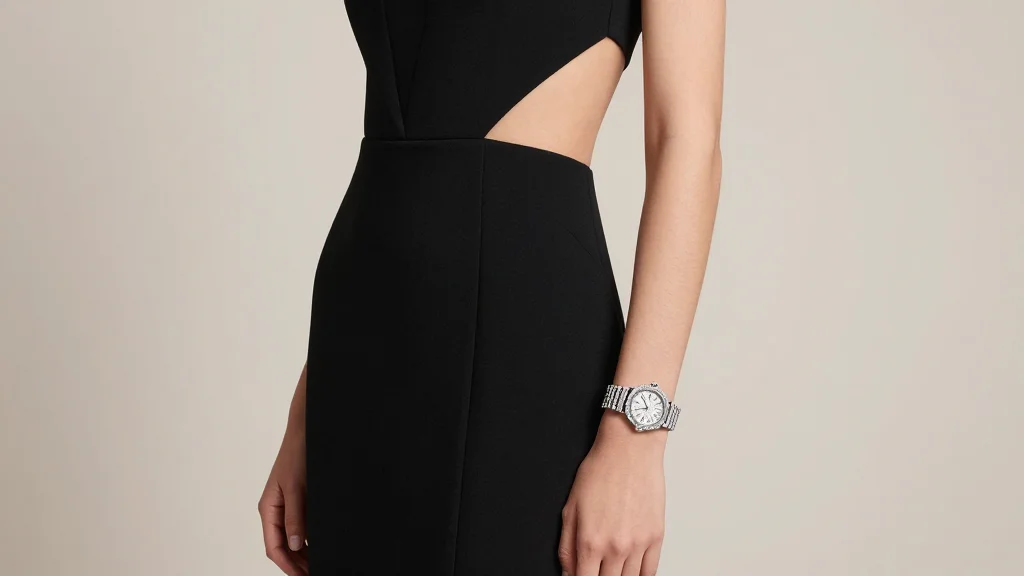
- •Shu Qi wore an Armani Privé 2026 spring‑summer cut‑out gown at Taiwan Fashion Week.
- •Jun Ji‑hyun arrived in a layered ensemble of luxury watches and jewelry, emphasizing maximalist styling.
- •The two looks highlight a split trend between minimalist couture and accessory‑driven opulence.
- •Online searches for cut‑out dresses and luxury watch stacks rose sharply after the event.
- •Both celebrities are expected to launch brand collaborations following their runway appearances.
Pulse Analysis
The dual narrative emerging from Taiwan’s Fashion Week underscores a pivotal moment for luxury brands operating in Asia. Historically, the region has oscillated between understated elegance—exemplified by the Japanese concept of "shibui"—and flamboyant displays of status, a pattern that resurfaces with each new generation of influencers. Shu Qi’s cut‑out gown aligns with a renewed appetite for architectural minimalism, a trend that gained momentum in European runways earlier this year and is now being localized through Asian celebrity endorsement. This cross‑regional diffusion suggests that designers who can translate high‑concept tailoring into wearable forms will capture a growing segment of affluent shoppers seeking both exclusivity and practicality.
Conversely, Jun Ji‑hyun’s jewelry‑laden approach taps into the growing market for “visible luxury,” where consumers treat accessories as primary status symbols. The surge in demand for high‑value watches and gemstone‑rich pieces in Taiwan mirrors similar spikes in mainland China and South Korea, where social media amplification turns a single outfit into a viral marketing engine. Brands that can supply limited‑edition, story‑driven pieces stand to benefit from this heightened visibility.
Looking ahead, the challenge for luxury houses will be to harmonize these divergent consumer impulses. Hybrid collections that pair sculptural garments with modular accessory options could satisfy both camps, allowing shoppers to curate their own balance of subtlety and spectacle. As Taiwan’s Fashion Week concludes, the next wave of collaborations and capsule releases will likely test this hypothesis, offering a clear indicator of which narrative—minimalist couture or maximalist accessorizing—will dominate the Asian luxury market in the coming year.
Shu Qi’s Cut‑Out Gown and Jun Ji‑Hyun’s Jewel‑Heavy Look Lead Taiwan Fashion Week
Comments
Want to join the conversation?
Loading comments...