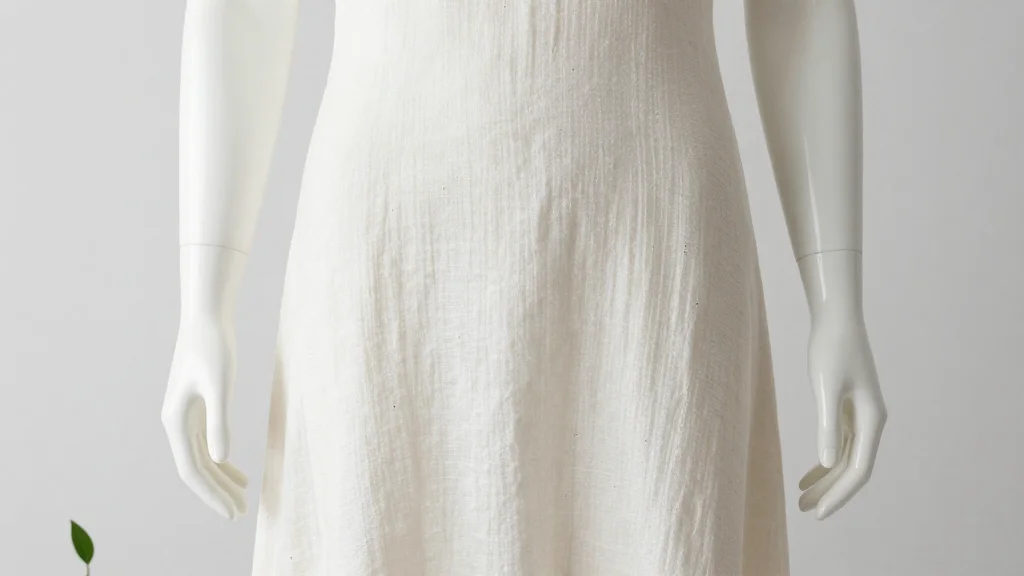
Stella McCartney Teams with H&M for Sustainable 2026 Collection Launching May 7

Companies Mentioned
Why It Matters
The McCartney‑H&M partnership signals a shift in how luxury designers approach mass‑market collaborations, placing sustainability at the forefront rather than treating it as a marketing afterthought. By leveraging H&M’s distribution scale and McCartney’s expertise in recycled fabrics, the collection could set a new benchmark for responsible production in fast fashion, encouraging industry peers to adopt similar standards. Moreover, the collaboration bridges a generational gap: younger consumers, who prioritize ethical consumption, gain access to iconic designs, while older fans see a modern reinterpretation of archival pieces. This dual appeal may expand the market for sustainable luxury and accelerate the mainstream adoption of circular fashion practices.
Key Takeaways
- •Stella McCartney and H&M launch a sustainable collection on May 7, 2026.
- •Second collaboration after a 21‑year gap, marking the 20‑year anniversary of the 2005 drop.
- •All pieces use recycled metal, organic cotton or RWS‑certified wool.
- •Campaign features Renée Rapp, Angelina Kendall and Adwoa Aboah, photographed by Sam Rock.
- •H&M aims to boost its sustainable‑product share and set a new industry benchmark.
Pulse Analysis
The McCartney‑H&M alliance illustrates how legacy designers can harness high‑street platforms to accelerate sustainable innovation. Historically, designer‑fast‑fashion collaborations have been critiqued for diluting brand exclusivity; this partnership flips that narrative by making eco‑luxury the selling point. McCartney’s insistence on strict sustainability criteria—evident in her quote about refusing to produce anything non‑sustainable—forces H&M to meet higher material standards, potentially raising the baseline for the retailer’s entire supply chain.
From a market perspective, the timing is crucial. Consumer sentiment surveys show that over 70 % of Gen Z shoppers consider a brand’s environmental record before purchasing. By delivering a collection that marries iconic design with verifiable recycled content, H&M can capture this demographic while reinforcing its own sustainability commitments. The collaboration also pressures competitors—Zara, Uniqlo and others—to elevate their own eco‑initiatives or risk losing relevance.
Looking ahead, the true test will be the post‑launch sustainability report. If McCartney and H&M can demonstrate tangible reductions in carbon emissions and waste, the partnership could evolve from a one‑off hype event into a template for ongoing, scalable collaborations. Such a model would not only reshape the economics of fast fashion but also accelerate the industry’s transition toward a circular economy, where style and responsibility coexist without compromise.
Stella McCartney Teams with H&M for Sustainable 2026 Collection Launching May 7
Comments
Want to join the conversation?
Loading comments...