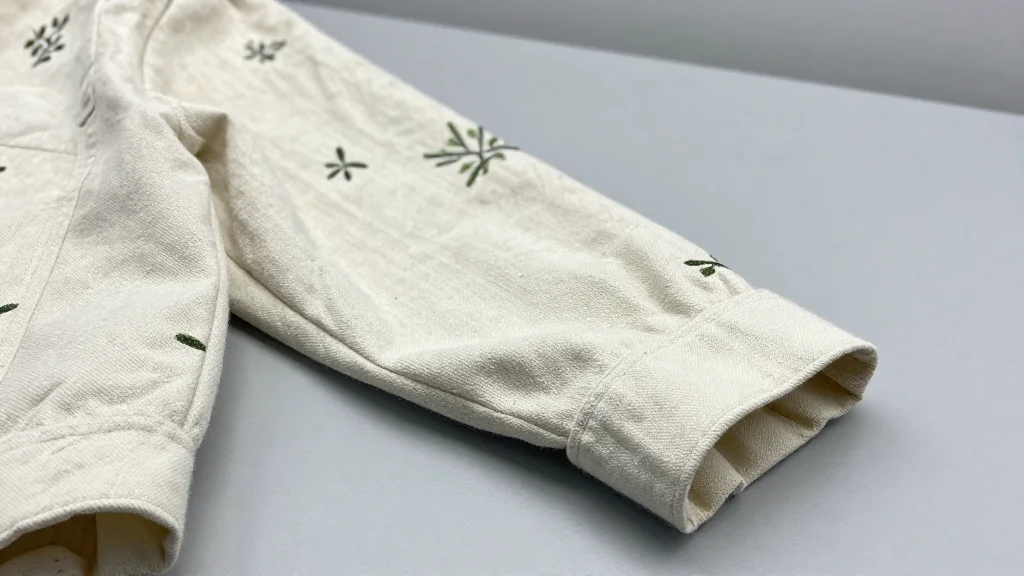
Stella McCartney Teams with H&M on Spring ’26 Collection to ‘Infiltrate’ Fast Fashion

Companies Mentioned
Why It Matters
The McCartney‑H&M partnership illustrates a shift in how sustainability is being pursued within the fast‑fashion segment. By embedding ethical design principles into a mass‑market collection, the collaboration tests whether large retailers can meaningfully improve their supply chains without sacrificing style or price point. If successful, it could encourage other designers to adopt similar tactics, amplifying pressure on the industry to adopt transparent, circular practices. Moreover, the public disclosure of material sourcing and swing‑tag data raises the bar for accountability. Consumers increasingly demand traceability, and this partnership provides a concrete example of how that demand can be met at scale, potentially reshaping purchasing expectations across the sector.
Key Takeaways
- •Stella McCartney and H&M launch a Spring ’26 collection built on recycled fabrics.
- •The line includes a crystal shirt made from 80% recycled glass and gender‑fluid designs.
- •McCartney describes the partnership as ‘infiltrating from within’ to shift fast‑fashion habits.
- •H&M’s sustainability rating is three out of five on Good On You, and the brand pledges greater transparency.
- •Collection release begins in early May, with detailed sustainability data promised for each item.
Pulse Analysis
The collaboration signals a pragmatic evolution in sustainability strategy: rather than operating solely within niche luxury markets, ethical designers are leveraging the distribution power of fast‑fashion giants to accelerate change. Historically, designer‑retailer partnerships have been criticized as greenwashing, but McCartney’s insistence on data transparency and material standards suggests a deeper integration of ethical criteria.
From a market perspective, the partnership could serve as a catalyst for broader industry reform. H&M’s three‑star rating indicates room for improvement, and the visibility of this high‑profile line may compel competitors to elevate their own sustainability commitments. If sales data and consumer feedback show strong demand for responsibly made, affordable pieces, retailers may find a financial incentive to invest further in circular supply chains, potentially reshaping the economics of fast fashion.
Looking ahead, the true test will be whether the collection’s sustainability claims hold up under independent audit and whether H&M can translate this pilot into lasting operational shifts. Should the partnership succeed, it may herald a new era where ethical design infiltrates mainstream retail, redefining the balance between accessibility, style, and environmental responsibility.
Stella McCartney Teams with H&M on Spring ’26 Collection to ‘Infiltrate’ Fast Fashion
Comments
Want to join the conversation?
Loading comments...