Why It Matters
The fabric merges sustainability with comfort, offering brands a ready‑made solution to meet rising consumer demand for eco‑friendly, performance‑driven clothing. It signals a shift toward natural fibers in high‑volume categories traditionally dominated by synthetics.
Key Takeaways
- •Südwolle blends Merino wool with denim for comfort
- •Fabric retains traditional indigo appearance
- •Targets sustainable, performance-driven fashion market
- •Enables natural fiber use in everyday apparel
- •Supports industry shift toward eco‑friendly materials
Pulse Analysis
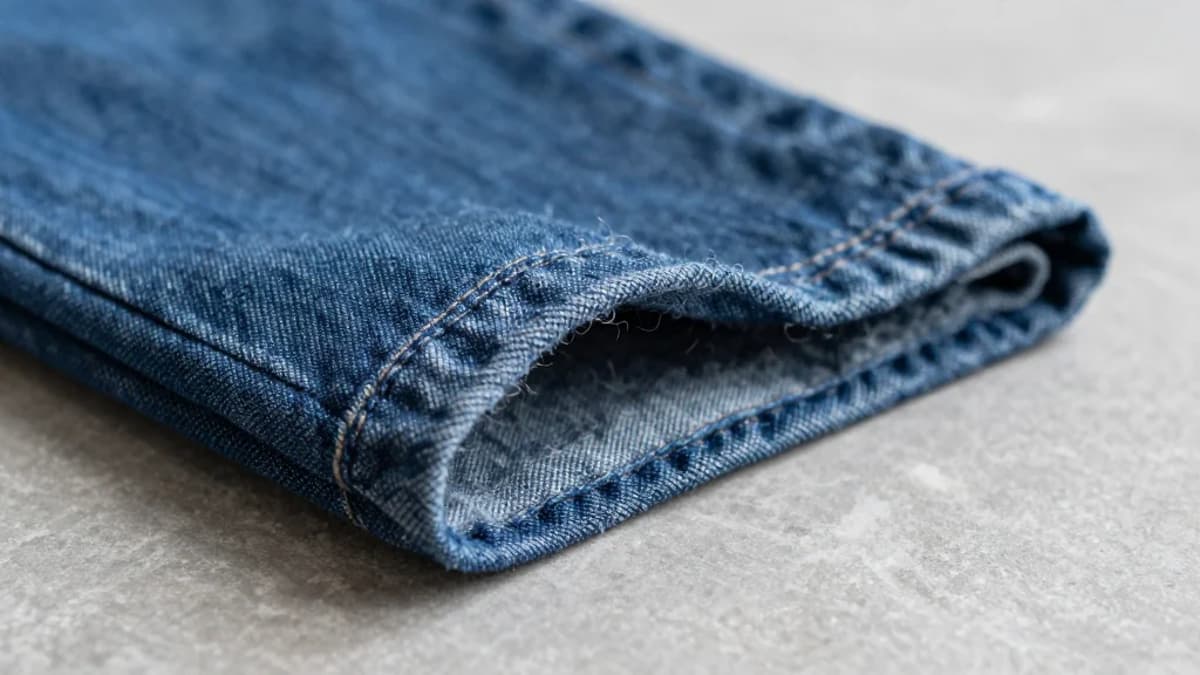
The textile world has long wrestled with the trade‑off between denim’s durability and the comfort of natural fibers. Südwolle’s new blend tackles this dilemma by inserting a thin Merino wool layer beneath the cotton face, delivering the familiar indigo aesthetic while providing temperature regulation and a softer hand feel. This approach leverages Merino’s moisture‑wicking and odor‑resistant properties, turning a staple fabric into a more versatile, year‑round garment option.
Consumer preferences are increasingly tilting toward sustainability without sacrificing performance. Brands are under pressure to reduce synthetic content and carbon footprints, yet denim remains a high‑volume, resource‑intensive category. By integrating a renewable, biodegradable fiber like Merino, Südwolle offers a pathway to lower environmental impact while maintaining the durability that retailers and consumers expect. The fabric also aligns with the growing “natural performance” narrative, where shoppers seek apparel that feels good, works hard, and supports ethical sourcing.
From a supply‑chain perspective, the hybrid denim could streamline sourcing by allowing manufacturers to combine existing denim infrastructure with wool processing capabilities. This reduces the need for separate garment lines and may accelerate adoption across fast‑fashion and premium segments. Competitors are likely to explore similar blends, prompting a wave of innovation in fiber engineering. As the market embraces such materials, retailers that adopt Südwolle’s wool‑rich denim early may gain a distinct competitive edge in the eco‑conscious consumer arena.
Südwolle develops wool-rich denim fabric
0
Comments
Want to join the conversation?
Loading comments...