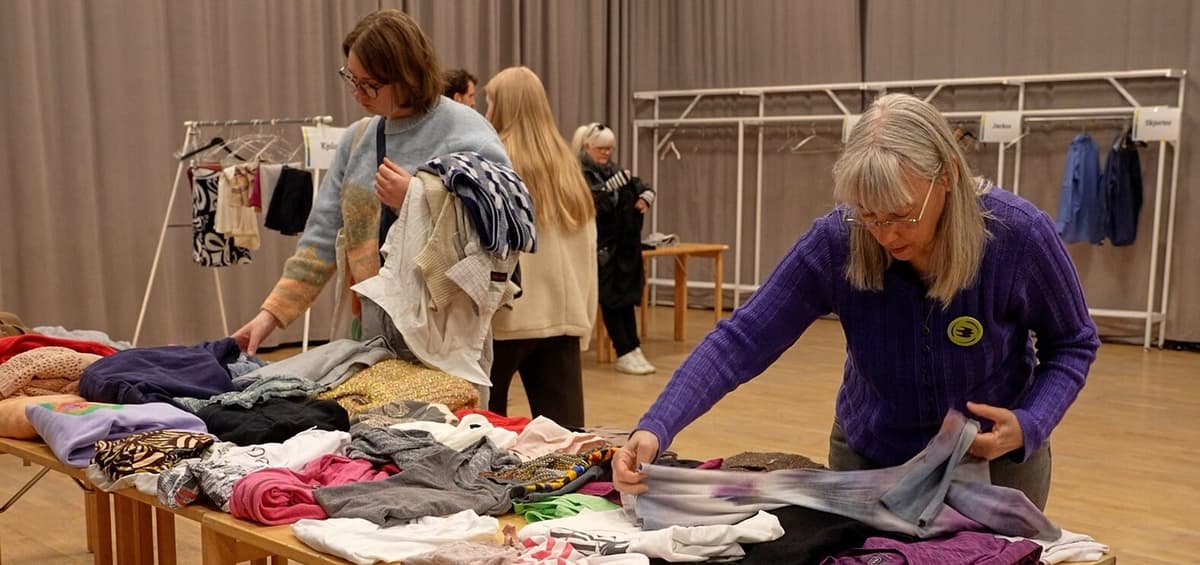
Sweden’s Secondhand Clothing Swaps Offer a Trendy Way to Cut Environmental Waste
Why It Matters
Clothing swaps directly reduce textile waste and associated emissions, offering a scalable model for circular fashion that can influence consumer habits and policy worldwide.
Key Takeaways
- •140,000 Swedes attended 140 swap events last year
- •Swaps diverted over 44,000 pre‑owned garments from landfill
- •Fast fashion accounts for up to 10% of global CO₂ emissions
- •Average Swede discards 9–10 kg clothing annually
- •EU ban on trashing clothes overwhelmed sites, leading to policy reversal
Pulse Analysis
Second‑hand clothing swaps have emerged as a pragmatic response to the mounting climate toll of fast fashion. The United Nations Environment Programme estimates the sector generates roughly 10 % of global carbon emissions, while a single pair of jeans consumes about 2,000 gallons (7,571 litres) of water. By extending the life of garments, swaps cut both the energy and water embedded in new production. They also divert textiles that would otherwise fill landfills or pollute oceans with synthetic fibers, offering a low‑cost, community‑driven mitigation strategy. These community events also foster social interaction, reinforcing sustainable habits.
Sweden’s organized swaps illustrate how a national culture can scale circular fashion. Launched in 2010, the program recorded 140,000 participants across 140 events in 2025, who walked away with more than 44,000 pre‑owned items. The Swedish Society for Nature Conservation reports that each citizen discards roughly 9–10 kg of clothing annually, yet 90 % of wardrobe pieces remain unworn. An EU‑mandated ban on throwing clothes in regular trash back‑fired, overwhelming collection sites and prompting a partial policy reversal, underscoring the need for practical reuse solutions. The events often feature educational workshops that highlight the hidden environmental costs of new garments.
Beyond Sweden, the swap model offers a template for cities grappling with textile waste. Integrating on‑site tailoring, as seen in Stockholm, equips consumers with repair skills, further extending garment lifespans and reducing demand for new production. Retailers can partner with NGOs to host pop‑up swaps, turning waste into brand‑positive community engagement. As consumers increasingly value sustainability, such circular initiatives could become a competitive differentiator, driving a shift from ownership to shared usage and ultimately lowering the fashion industry’s carbon footprint. Policymakers can incentivize such exchanges through tax credits or grants, accelerating adoption nationwide.
Sweden’s secondhand clothing swaps offer a trendy way to cut environmental waste
Comments
Want to join the conversation?
Loading comments...