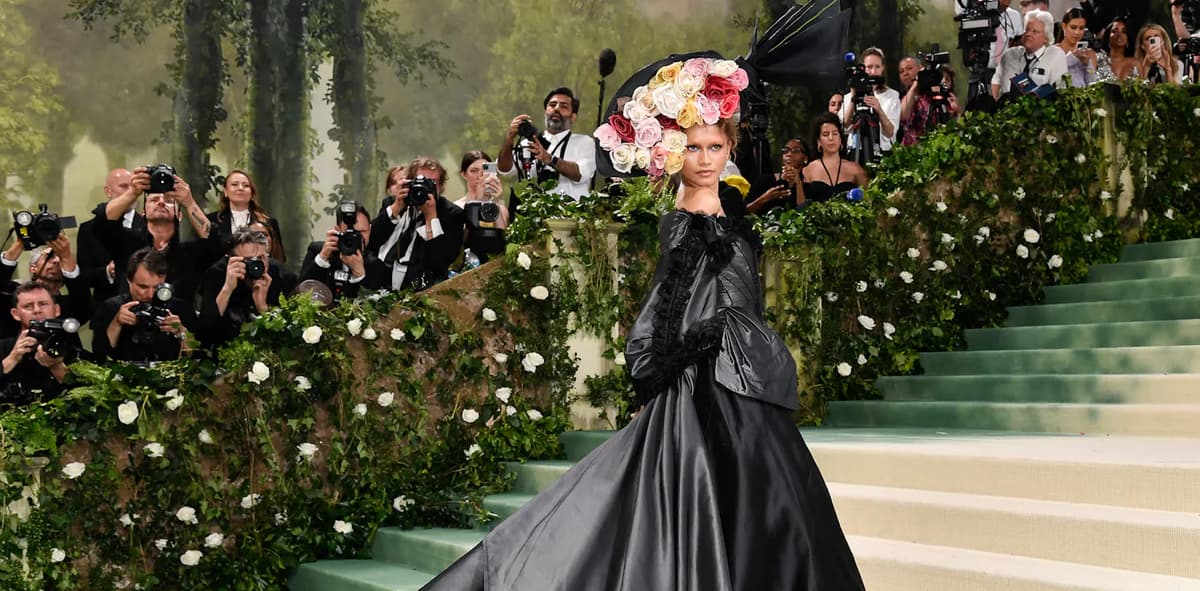
The 2026 Met Gala Dress Code Is ‘Fashion Is Art’. But Is It?
Companies Mentioned
Why It Matters
By framing fashion as art, the Met Gala influences how brands market creativity and how museums curate clothing, reshaping consumer expectations and industry valuation of design. This shift blurs the line between commercial apparel and cultural artifact, driving new revenue streams and critical discourse.
Key Takeaways
- •Met Gala 2026 theme: Costume Art, dress code “Fashion is Art”.
- •Debate continues: fashion as fine art versus decorative art.
- •Savage Beauty exhibit drew 600,000 visitors, underscoring museum appeal.
- •Celebrities use gala outfits to provoke political and cultural dialogue.
- •Haute couture collaborations bring runway concepts to mass‑market retailers.
Pulse Analysis
The Met Gala has evolved from a high‑society fundraiser into a global stage where fashion meets cultural commentary. Since Anna Wintour’s 1995 revamp, each annual theme translates into a dress code that guides designers and celebrities alike. This year’s “Costume Art” motif pushes attendees to treat garments as visual statements, echoing museum exhibitions that have long positioned couture alongside painting and sculpture. By spotlighting the intersection of style and artistry, the gala amplifies brand narratives and sets trends that ripple through retail and luxury sectors.
The tension between fashion as functional décor and as fine art dates back to figures like Karl Lagerfeld, who dismissed fashion’s artistic merit, and Andy Warhol, who celebrated its pop‑cultural power. Museums have validated the artistic claim, with shows such as Alexander McQueen’s Savage Beauty attracting over half a million visitors and the Louvre Couture drawing more than a million. These exhibitions demonstrate that audiences are eager to experience clothing in a curatorial context, reinforcing the commercial value of haute couture and encouraging institutions to allocate resources toward fashion‑focused programming.
For the industry, the gala’s artistic framing signals a lucrative pathway: designers can leverage the event to launch collaborations, as seen with John Galliano’s partnership with Zara, translating runway drama into accessible collections. Brands that successfully embed narrative, emotion, and social commentary into their garments can command premium pricing and media attention. As consumers increasingly view apparel as a vehicle for identity and discourse, the “Fashion is Art” mantra may become a lasting strategic lens for product development, marketing, and museum partnerships.
The 2026 Met Gala dress code is ‘Fashion is Art’. But is it?
Comments
Want to join the conversation?
Loading comments...