Companies Mentioned
Why It Matters
The understated design signals Jordan Brand’s shift toward sustainable, high‑volume sales by targeting daily wearers, reducing reliance on hype cycles that can inflate resale volatility.
Key Takeaways
- •Jordan Brand shifts focus to muted, vintage-inspired colorways.
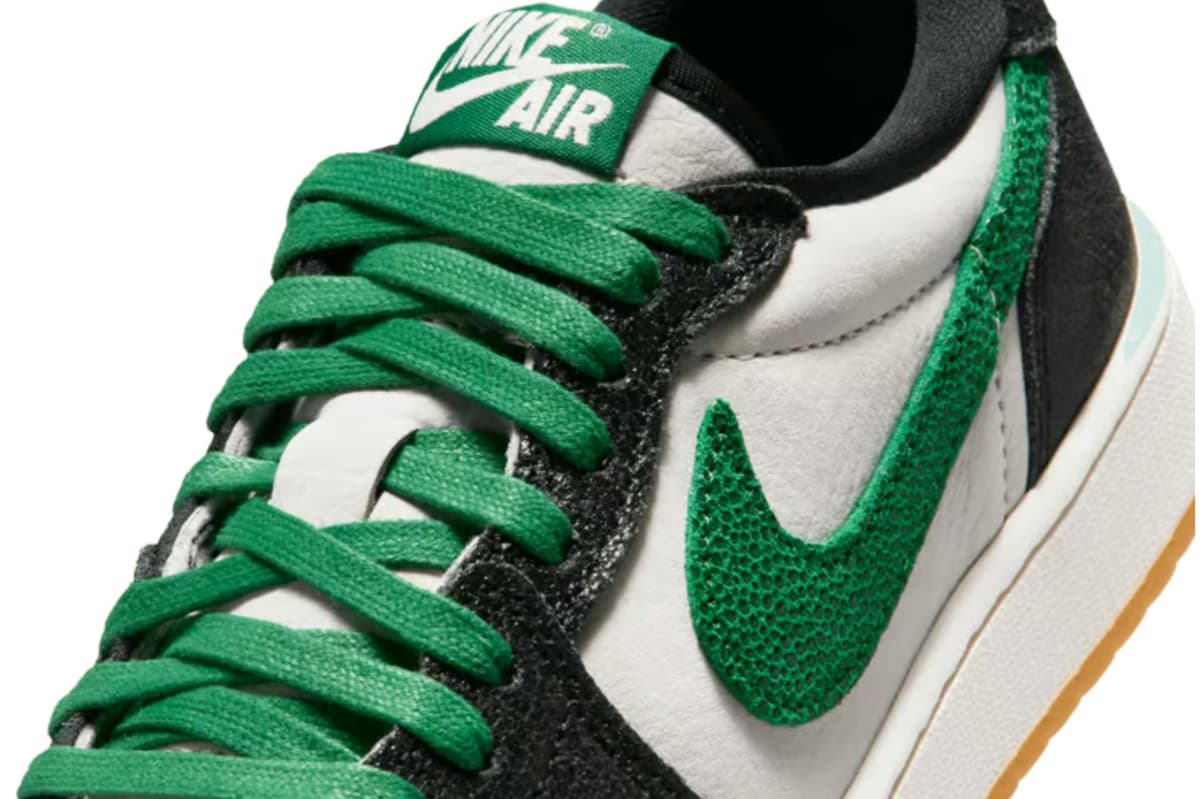
- •Phantom Pine Green emphasizes everyday wearability over hype-driven drops.
- •Low OG silhouette remains a core revenue driver for Jordan Brand.
- •Subtle design appeals to both sneakerheads and mainstream fashion consumers.
- •Minimalist release may boost inventory turnover and reduce production risk.
Pulse Analysis
Jordan Brand’s recent color strategy reflects a broader industry movement toward heritage aesthetics. After years of high‑profile collaborations and bold storytelling, the company is now capitalizing on consumer fatigue with over‑hyped drops. By embracing muted tones like the pine‑green overlay, Jordan taps into the nostalgia‑driven buying patterns that dominate streetwear, where shoppers seek pieces that age gracefully and integrate seamlessly into existing wardrobes. This approach not only broadens the brand’s appeal beyond core collectors but also aligns with retailers’ desire for predictable sell‑through rates.
The Air Jordan 1 Low OG remains a linchpin in Jordan’s product portfolio, consistently ranking among the brand’s top sellers. Its low‑top silhouette offers a canvas that accommodates a wide range of color experiments while maintaining a classic silhouette that resonates across demographics. The “Phantom Pine Green” iteration reinforces the model’s reputation as a daily‑wear workhorse, a factor that drives both primary market sales and secondary‑market liquidity. By delivering a design that balances subtlety with brand heritage, Jordan mitigates the risk of over‑stocking while still generating buzz through limited‑run releases.
From a business perspective, the move toward understated releases could stabilize revenue streams and improve inventory efficiency. Retailers benefit from reduced markdown pressure, and the brand can allocate marketing spend toward storytelling that emphasizes product durability rather than hype. Moreover, this strategy positions Jordan to compete more effectively with rivals like Adidas and Nike’s own heritage lines, which have also leaned into timeless colorways. As the sneaker market matures, the ability to blend cultural relevance with everyday practicality will likely become a decisive factor in sustaining long‑term growth.
The Air Jordan 1 Low OG Is Looking "Pine" As Hell
Comments
Want to join the conversation?
Loading comments...