Why It Matters
Celebrity‑driven campaigns amplify brand visibility and drive consumer engagement, shaping purchasing decisions across luxury and mass‑market segments. This approach reflects a broader industry shift toward influencer‑centric storytelling to sustain growth in a competitive market.
Key Takeaways
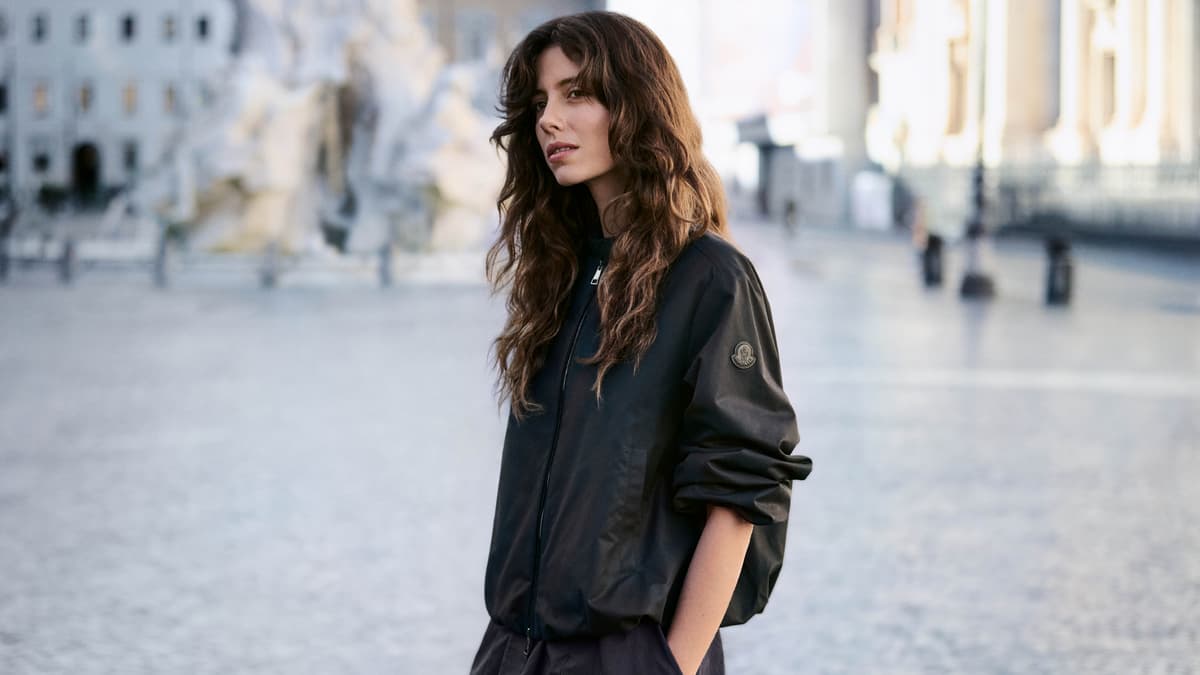
- •Moncler features two distinct celebrity faces
- •Burberry employs three iconic models this season
- •Adidas partners with music and fashion influencers
- •Cos showcases diverse international talent
- •Coach repeats Elle Fanning, emphasizing brand consistency
Pulse Analysis
The 2026 spring/summer runway has migrated from the catwalk to the screen, with brands leveraging celebrity clout to cut through digital noise. By aligning with personalities like Kate Moss, Kendall Jenner, and Jennie, luxury houses and sportswear giants tap into existing fan bases, turning fashion ads into cultural moments. This strategy mirrors a broader trend where entertainment and fashion intersect, creating content that resonates on social platforms and drives organic reach beyond traditional print.
For marketers, the selection of talent reveals nuanced audience targeting. Heritage labels such as Burberry and Moncler opt for timeless icons to reinforce legacy and aspirational appeal, while younger‑focused brands like Adidas and Cos enlist musicians and diverse models to attract Gen Z and multicultural shoppers. The repeated use of figures like Elle Fanning by Coach signals a desire for brand consistency, fostering a recognizable narrative that can translate into higher conversion rates and stronger brand equity.
Looking ahead, the integration of these star‑powered campaigns with immersive technologies will likely redefine consumer interaction. Augmented reality try‑ons, shoppable video content, and blockchain‑verified limited editions can extend the influence of celebrity endorsements into measurable sales funnels. As sustainability becomes a purchasing criterion, brands may also pair eco‑focused messaging with their star ambassadors, reinforcing authenticity while meeting evolving consumer expectations. This multi‑layered approach positions fashion houses to capitalize on both emotional resonance and data‑driven performance.
The Best Spring/Summer 2026 Fashion Campaigns
0
Comments
Want to join the conversation?
Loading comments...