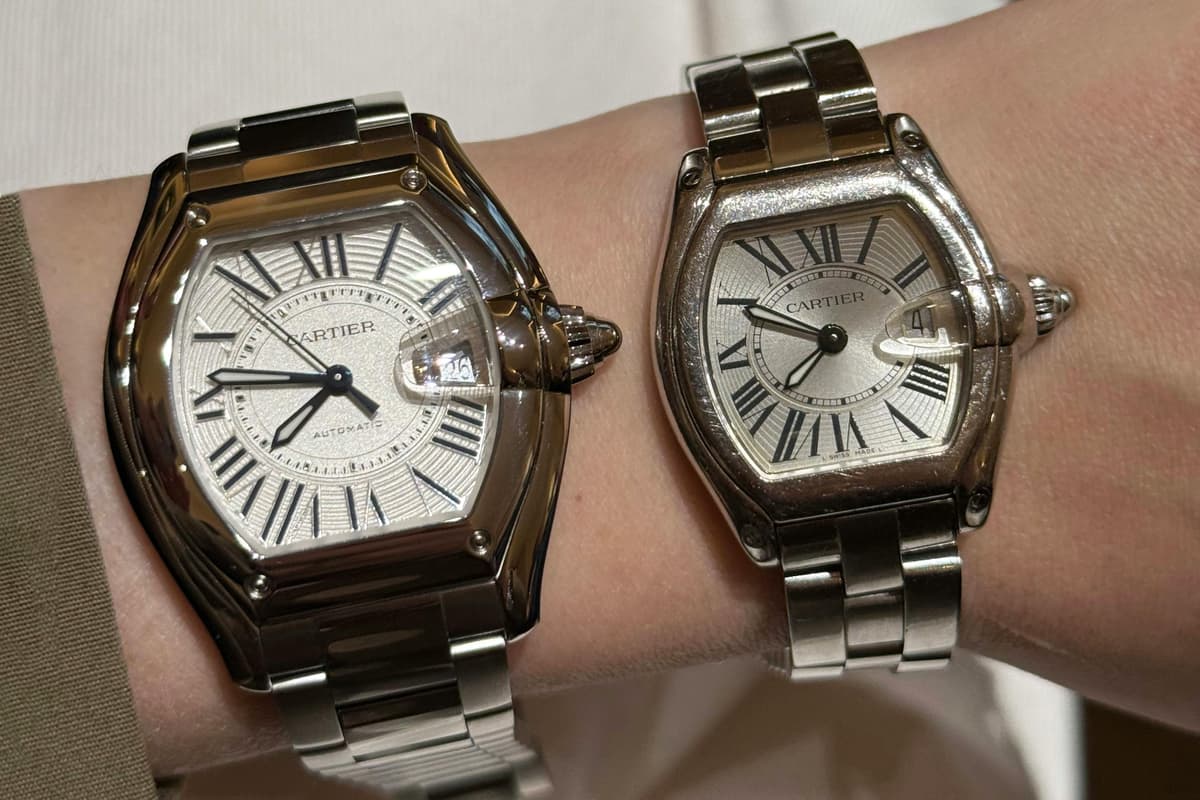
The Cartier Roadster Revival Is Keeping Our Y2K Fixation Alive
Why It Matters
The revival leverages Y2K nostalgia to boost demand in the luxury watch market, positioning Cartier as a forward‑looking yet heritage‑rich brand. It also creates potential resale value spikes, influencing collector behavior and secondary‑market dynamics.
Key Takeaways
- •Cartier reissues the 2002 Roadster watch for 2026.
- •New versions include steel, two‑tone, and 18K gold cases.
- •Designs feature slimmer bezel, ergonomic shape, and blue‑dial rubber strap.
- •Revival taps Y2K nostalgia, boosting luxury watch demand.
- •Collectors anticipate higher resale values from limited‑edition comeback.
Pulse Analysis
The early‑2000s aesthetic has re‑emerged as a dominant cultural force, influencing fashion, tech, and now high‑end horology. Luxury houses are mining their archives to satisfy a generation that equates Y2K style with authenticity and playfulness. Cartier’s decision to resurrect the Roadster—originally launched in 2002—signals a strategic pivot toward maximalist design, aligning the brand with the broader nostalgia‑driven consumption pattern that has propelled streetwear collaborations and retro sneaker drops. This revival taps a lucrative sentiment wave while reinforcing Cartier’s relevance beyond its classic elegance.
The new Roadster collection arrives in three material palettes: polished steel, a two‑tone steel‑gold blend, and 18‑karat yellow gold. Subtle engineering updates include a slimmer, riveted bezel, a more ergonomic case profile, and a blue‑dial version paired with a matching rubber strap for athleisure‑oriented buyers. By retaining the iconic tonneau silhouette and dashboard‑style dial, Cartier preserves the watch’s automotive heritage, yet the refined proportions make it suitable for both statement‑wear and everyday wear. These design choices broaden the model’s appeal across traditional collectors and younger luxury consumers.
From a market perspective, the Roadster’s comeback could stimulate secondary‑market activity, as limited‑edition pieces often command premium resale prices. Analysts predict that heritage‑driven releases will increasingly drive growth for Swiss watchmakers, especially as younger buyers prioritize narrative over pure mechanical complexity. For Cartier, the Roadster serves as a test case for future archive‑based launches, potentially paving the way for other under‑exploited models. If demand holds, the brand may see a measurable uplift in watch‑segment revenue and brand equity.
The Cartier Roadster Revival Is Keeping Our Y2K Fixation Alive
Comments
Want to join the conversation?
Loading comments...