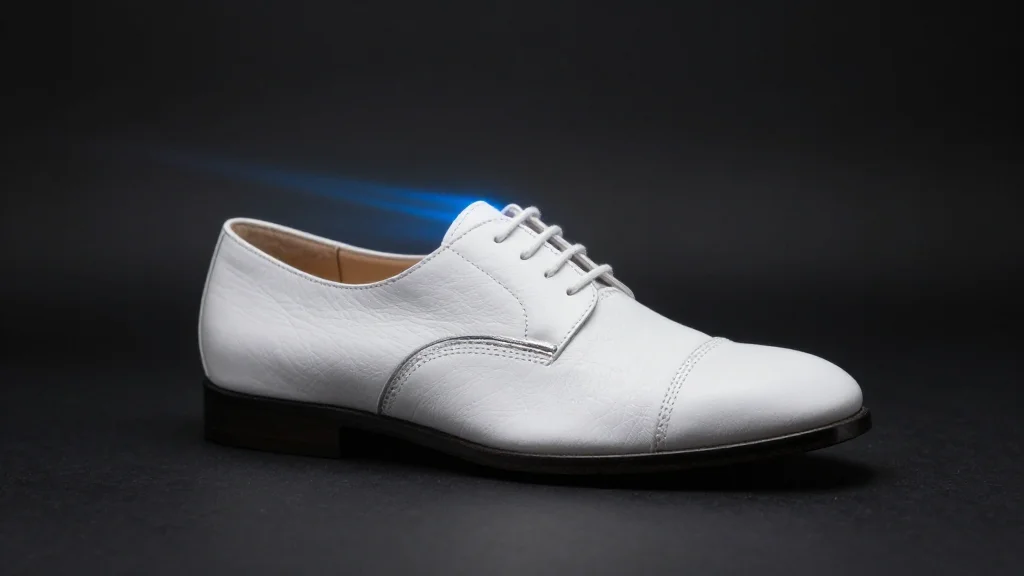
The Dance-Inspired Alternative to Ballet Flats Poised to Take Over
Companies Mentioned
Why It Matters
Jazz shoes signal a shift toward comfort‑driven luxury footwear, reshaping designer collections and consumer spending patterns. Their rise could redefine casual luxury and influence supply chains across the fashion industry.
Key Takeaways
- •Jazz shoes featured on Celine 2026 resort runway.
- •Jil Sander, Dries Van Noten, Bottega Veneta adopt jazz style.
- •Jamie Haller’s label offers colorful jazz shoes for everyday wear.
- •Mandy Lee calls jazz shoes an insider‑favorite trend.
- •Jazz shoes combine sneaker comfort with dance‑inspired look.
Pulse Analysis
The resurgence of the jazz shoe reflects a broader pivot in footwear, where designers are moving beyond the minimalist ballet flat toward a hybrid that marries performance‑grade comfort with runway polish. After Michael Rider highlighted the silhouette on Celine's 2026 resort show, the look cascaded through Spring collections, prompting luxury houses such as Jil Sander and Dries Van Noten to reinterpret the form in premium leathers and unexpected colorways. This rapid adoption underscores how quickly a niche dance‑wear reference can become a mainstream aesthetic when championed by influential runways.
Consumer expectations are reshaping the market: shoppers now demand shoes that can comfortably log 10,000 steps while maintaining a refined appearance. The jazz shoe meets this demand by offering a low‑profile sneaker fit that hugs the foot, a feature highlighted by trend forecaster Mandy Lee. Its perceived value stems from the blend of functional comfort and high‑design credibility, allowing brands to command premium price points without alienating price‑sensitive buyers who prioritize wearability over novelty.
Looking ahead, the jazz shoe could catalyze a new segment of casual luxury, prompting manufacturers to invest in specialized midsoles and flexible uppers that retain a sleek silhouette. As 80s‑era color trends and nostalgic references continue to influence fashion, the shoe’s versatile palette—ranging from muted neutrals to bold pastels—offers retailers a flexible merchandising tool. If the current momentum sustains, we may see the jazz shoe transition from runway novelty to a staple in everyday wardrobes, prompting broader distribution through both high‑end boutiques and mass‑market channels.
The Dance-inspired Alternative to Ballet Flats Poised to Take Over
Comments
Want to join the conversation?
Loading comments...