The Niche Designer Dressing the A-List in Scraps
Why It Matters
The endorsement by major luxury brand ambassadors signals mainstream acceptance of upcycled couture, pressuring established houses to prioritize sustainability and opening new revenue channels for niche designers.
Key Takeaways
- •Ayo Edebiri showcased Flores’s scrap‑made dress at Drama League Awards.
- •Greta Lee wore a velvet upcycled gown during Toy Story 5 London tour.
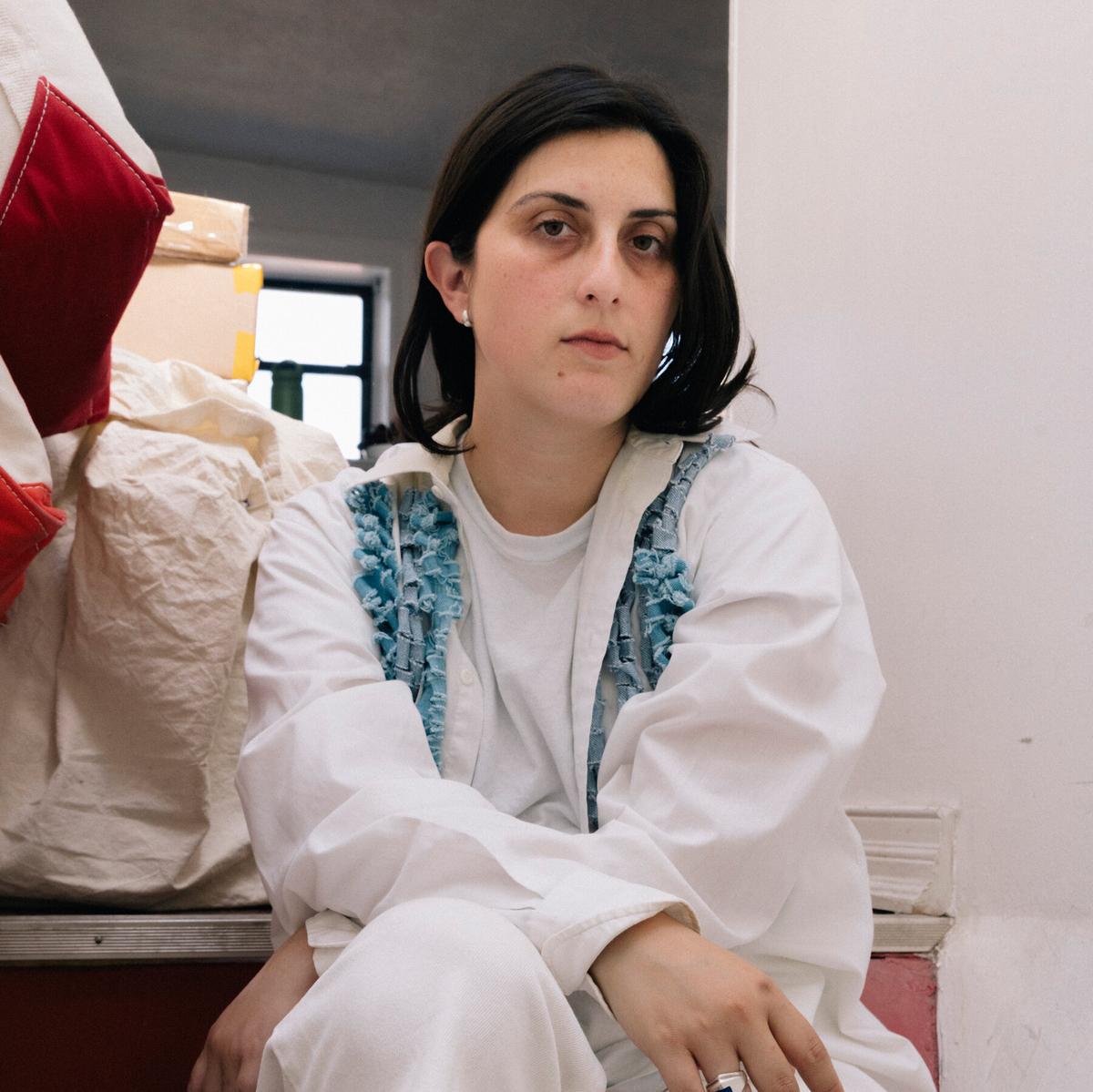
- •Flores repurposes thrift‑store and mis‑cut fabrics into high‑fashion pieces.
- •Celebrity adoption boosts credibility of sustainable, niche designers in luxury market.
Pulse Analysis
Upcycled fashion has moved from fringe runway experiments to a central narrative in the luxury sector, driven by growing consumer demand for environmentally responsible products. Designers like Giovanna Flores illustrate how creative sourcing—turning thrift‑store finds and mis‑cut inventory into runway‑ready garments—can deliver a distinct aesthetic while reducing waste. This approach aligns with broader industry initiatives, such as major houses pledging carbon‑neutral collections, and resonates with shoppers who value authenticity and transparency in their wardrobes.
When high‑visibility ambassadors such as Chanel’s Ayo Edebiri and Dior’s Greta Lee choose upcycled pieces for red‑carpet appearances, the message reverberates across media channels and social platforms. Their endorsements validate the artistic merit of repurposed materials and challenge traditional notions of luxury that rely on exclusivity through newness. As celebrities showcase these garments, they accelerate consumer curiosity, prompting retailers to explore similar collaborations and prompting luxury brands to integrate sustainable sourcing into their core strategies.
For niche designers, celebrity validation translates into tangible business opportunities. Visibility on global stages can drive traffic to limited‑run collections, boost e‑commerce sales, and attract investment for scaling production without compromising artisanal quality. Moreover, the buzz around upcycled couture encourages venture capital to fund sustainable fashion startups, fostering a competitive ecosystem where innovation in material reuse becomes a differentiator. As the industry continues to prioritize circularity, designers who master the blend of storytelling, craftsmanship, and environmental stewardship are poised to capture a growing share of the luxury market.
The Niche Designer Dressing the A-List in Scraps
Comments
Want to join the conversation?
Loading comments...