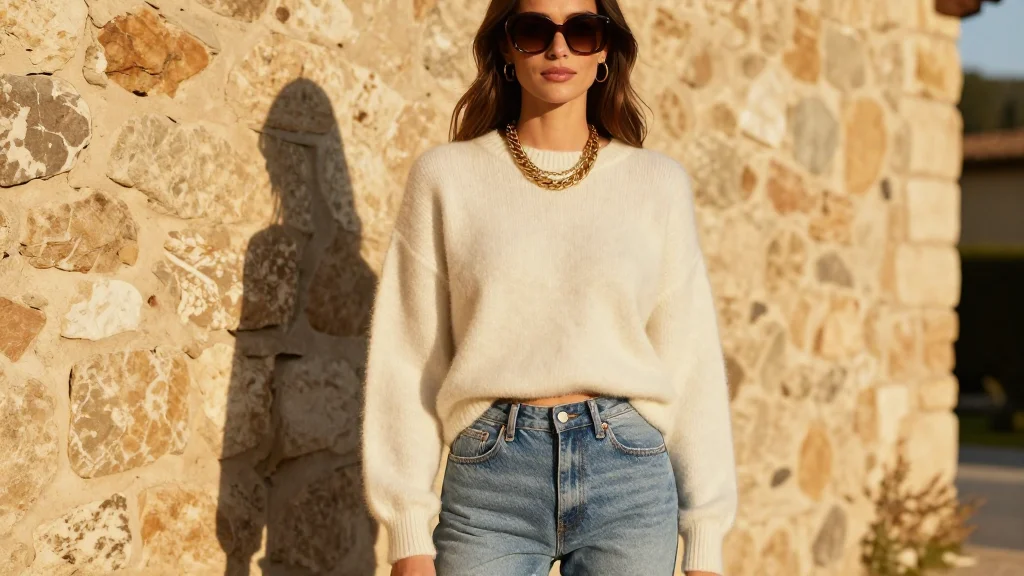
TikTok Revives Early‑2000s ‘Tuscan Mom’ Glam for Gen Z Wardrobes

Companies Mentioned
Why It Matters
The Tuscan Mom aesthetic illustrates how social media platforms can resurrect and reshape past fashion eras, influencing consumer preferences and designer collections. Its rise signals a growing appetite for nostalgic yet comfortable looks, prompting brands to reconsider product development strategies that blend retro references with modern sensibilities. Moreover, the trend underscores TikTok’s power as a cultural incubator, where user‑generated content can quickly become a reference point for mainstream fashion discourse. For retailers and designers, the aesthetic offers a blueprint for tapping into nostalgia without relying on overt retro reproductions. By focusing on timeless pieces—neutral button‑downs, low‑rise denim and classic gold accessories—while updating cuts and materials, the industry can meet demand for both familiarity and innovation. The trend also raises questions about sustainability, as consumers gravitate toward higher‑quality staples that promise longer wear, potentially reducing the churn of fast‑fashion cycles.
Key Takeaways
- •TikTok drives the viral spread of the Tuscan Mom aesthetic, blending early‑2000s glam with modern neutral tones.
- •Core elements include low‑rise jeans, oversized sunglasses, chunky gold jewelry and designer‑logo bags.
- •The look draws on early‑2000s staples like snap‑button shirts, russet suede and oversized belts.
- •Fashion editors cite the aesthetic as a reference for upcoming collections, highlighting a nostalgia‑driven shift.
- •The trend sparks debate over authentic revival versus superficial retro styling.
Pulse Analysis
The Tuscan Mom aesthetic is a textbook case of how digital platforms can accelerate the lifecycle of a fashion revival. Historically, nostalgia cycles have taken years to permeate mainstream retail; TikTok compresses that timeline to weeks. This acceleration forces brands to be more agile, developing capsule collections that capture the zeitgeist before the hype wanes. The aesthetic’s emphasis on quality basics—well‑cut button‑downs, low‑rise denim and timeless gold accessories—aligns with a broader consumer pivot toward durability and sustainability, suggesting that the trend could have staying power if brands embed these values.
From a competitive standpoint, the aesthetic offers a low‑risk entry point for both legacy houses and fast‑fashion players. Luxury brands can reinterpret the look with premium fabrics and heritage craftsmanship, while mass retailers can offer affordable, trend‑aligned pieces. The tension lies in maintaining authenticity; over‑commercialization could dilute the aesthetic’s nostalgic charm, alienating the core TikTok community that birthed it. Brands that strike a balance—offering elevated basics that respect the original vibe—are likely to capture both the social‑media buzz and long‑term sales.
Looking forward, the Tuscan Mom aesthetic may serve as a template for future retro revivals driven by algorithmic discovery. As AI curates personalized style feeds, we can expect a proliferation of micro‑trends that blend past eras with contemporary aesthetics. The key for the fashion industry will be to translate these fleeting digital moments into sustainable product strategies that satisfy both the desire for nostalgia and the demand for lasting value.
TikTok Revives Early‑2000s ‘Tuscan Mom’ Glam for Gen Z Wardrobes
Comments
Want to join the conversation?
Loading comments...