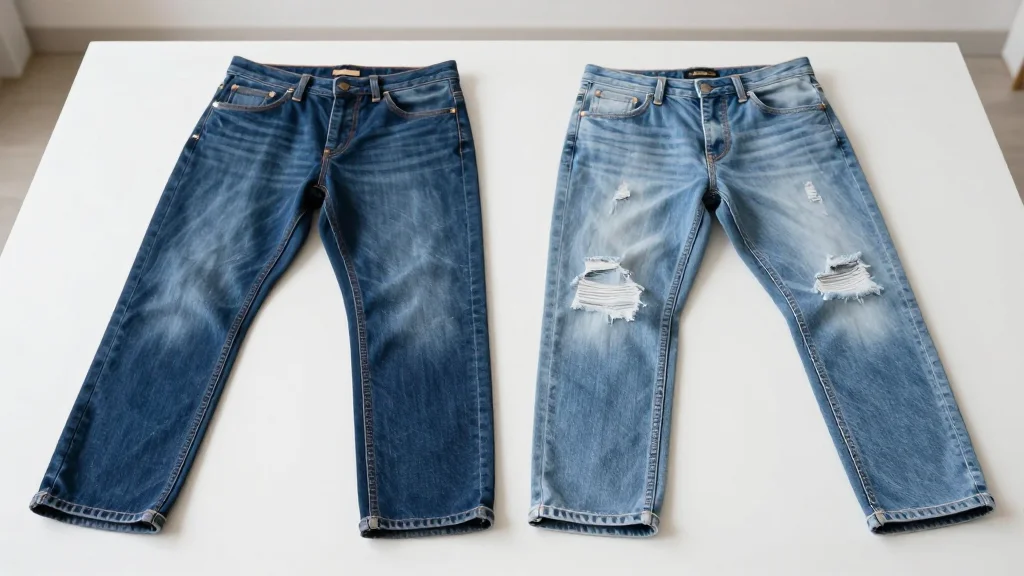
Trend-Driven Vs. Classic—How Cash-Strapped Customers Shop for Denim
Companies Mentioned
Why It Matters
The shift signals that denim manufacturers must balance durability with contemporary appeal, guiding product investment and marketing strategies in a cost‑sensitive market.
Key Takeaways
- •Younger shoppers demand trend‑forward silhouettes, older buyers value timeless durability
- •Brands blend heritage cuts with advanced finishes, stretch fibers, and digital printing
- •Consumer selectivity drives focus on comfort, longevity, and authentic storytelling
- •Innovation now measured by wear‑life performance, not just seasonal hype
- •“Heritage 2.0” merges classic denim values with modern, sustainable tech
Pulse Analysis
Even as fuel prices and living costs climb, denim remains a staple because it bridges function and fashion. Budget‑tight consumers first cut back on discretionary apparel, yet they still allocate money to jeans that promise longevity and versatility. This behavior creates a bifurcated market: millennials and Gen Z look for fresh silhouettes and bold washes that signal personal expression, while older or price‑sensitive shoppers lean on timeless fits that can endure years of wear. The result is a nuanced demand curve where value is measured not just in price but in projected wear‑life.
Manufacturers are answering this dual demand by layering heritage craftsmanship with cutting‑edge technology. Companies such as ISKO and LYCRA are deploying new dyeing techniques, engineered fibers like XTRA LIFE, and internal softening processes such as Naia Renew to boost hand feel without sacrificing durability. Digital printing and customizable finishes allow brands to offer limited‑edition aesthetics while maintaining a core of classic construction. These innovations shift the definition of “trend” from fleeting silhouettes to performance‑driven attributes—color depth, texture richness, and shape retention—that resonate across consumer segments.
Strategically, the denim sector is moving away from a binary choice between classic and trendy toward a hybrid model that brands can market as heritage 2.0. This approach aligns with sustainability goals, as longer‑lasting garments reduce turnover and waste, while still delivering the emotional connection consumers seek through storytelling and cultural relevance. Companies that master this balance—leveraging authentic denim DNA, advanced materials, and personalized design options—are poised to capture market share and command premium pricing even in a constrained economy.
Trend-Driven Vs. Classic—How Cash-Strapped Customers Shop for Denim
Comments
Want to join the conversation?
Loading comments...