Watches and Wonders 2026 Unveils Five Horological Trends Shaping Luxury Timepieces

Why It Matters
The five trends identified at Watches and Wonders 2026 signal a pivot in luxury watch consumption toward experiential richness—color, material, and craftsmanship—over mere brand heritage. For retailers and investors, understanding these shifts is crucial for inventory planning, pricing strategies, and marketing narratives that resonate with a clientele increasingly attuned to visual storytelling and technical prowess. Moreover, the emphasis on platinum and high‑jewelry integration reflects broader macro‑economic dynamics, such as rising gold prices and a growing appetite for tangible assets that combine aesthetic appeal with perceived value preservation. Brands that can navigate these material cost pressures while delivering compelling designs will secure a competitive edge in a market where scarcity and exclusivity drive premium pricing.
Key Takeaways
- •Rolex introduced "Jubilee gold," a tri‑tone alloy that shifts color under different lighting.
- •Vacheron Constantin unveiled the Calibre 2550 ultra‑thin self‑winding movement in platinum.
- •Bulgari's Octo Finissimo 37 offers a 72‑hour power reserve in a slimmer case.
- •Cartier’s Panthère and Myst De Cartier are fully diamond‑encrusted, requiring over 100 hours of gem‑setting.
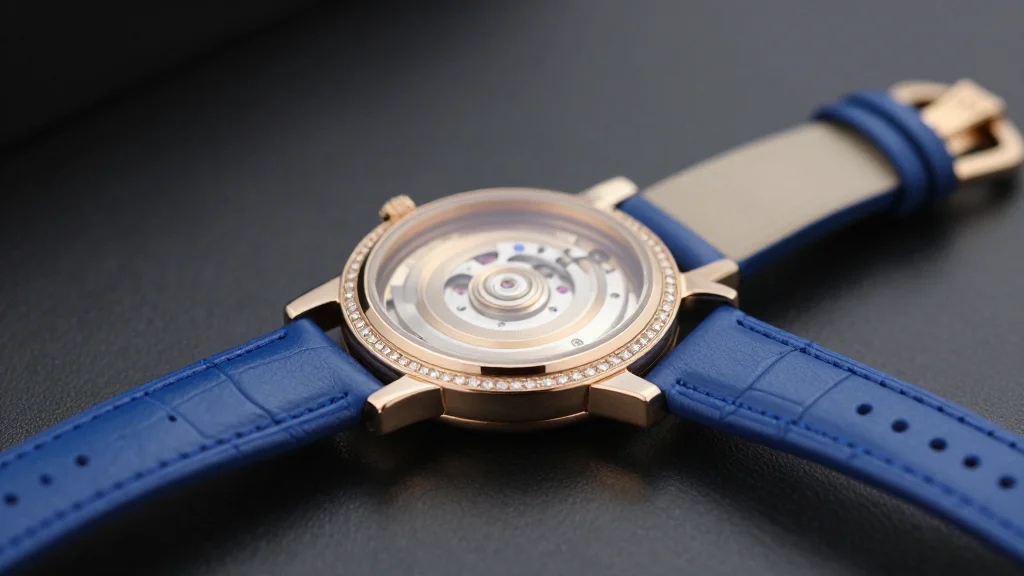
- •Color trends span soft blues, sage greens, pastel milky hues, and deep burgundy/cranberry accents.
Pulse Analysis
Watches and Wonders 2026 functions as a bellwether for the luxury watch sector, and the five trends it highlighted reveal a convergence of two longstanding forces: the desire for visual differentiation and the pursuit of mechanical excellence. Historically, watchmakers have alternated between periods of minimalist restraint and maximalist ornamentation. This year’s blend—vibrant yet refined color palettes paired with ultra‑thin, high‑performance movements—suggests a hybrid model where aesthetic daring does not compromise technical integrity.
The rise of multicolored gold alloys like Rolex’s Jubilee gold reflects a strategic response to commodity volatility. By engineering a proprietary alloy, Rolex not only mitigates raw material cost exposure but also creates a proprietary visual signature that can be patented and marketed as a unique selling point. This mirrors similar moves in the automotive and tech sectors, where material innovation becomes a differentiator.
From a market dynamics perspective, the emphasis on diamonds and high‑jewelry craftsmanship repositions watches as both timekeeping devices and portable art. As affluent consumers increasingly view luxury goods as investment assets, the integration of precious stones and labor‑intensive setting processes enhances perceived scarcity and resale value. Brands that can scale such craftsmanship without eroding exclusivity will dominate secondary markets and auction houses, reinforcing the virtuous cycle of brand equity and price resilience.
Looking ahead, the next six months will test the elasticity of these trends. Early pre‑order data, boutique foot traffic, and social media engagement will reveal whether the color and material experiments translate into sustained demand or remain niche statements. Brands that adapt quickly—by offering limited‑edition colorways, modular strap systems, or transparent supply‑chain narratives around precious metals—will likely capture the most market share as the luxury watch sector navigates post‑pandemic consumer confidence.
Watches and Wonders 2026 Unveils Five Horological Trends Shaping Luxury Timepieces
Comments
Want to join the conversation?
Loading comments...