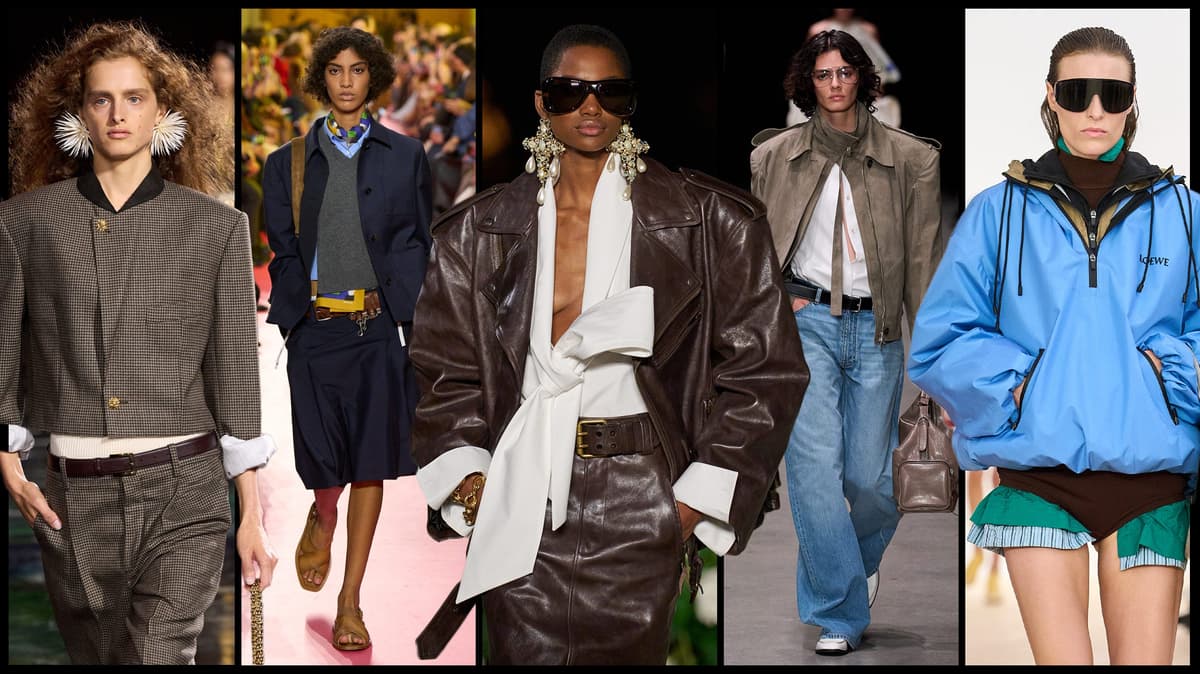
Wear These Jackets When It's Not Too Cold and Not Too Hot
•March 9, 2026
0
Companies Mentioned
Why It Matters
These outerwear choices enable retailers to capture the high‑margin transitional‑season market, while consumers gain functional, on‑trend pieces that extend wardrobe longevity. The shift toward lightweight, multi‑season jackets signals a broader industry move toward sustainability and cost‑effective styling.
Key Takeaways
- •Suede jackets dominate spring's luxury outerwear.
- •Sporty shells replace heavy wool for lightweight layering.
- •Utility details and chore jackets blend workwear aesthetics.
- •Cropped trenches and stand collars offer rain-ready versatility.
- •Brown leather slouchy styles transition from fall to spring.
Pulse Analysis
The spring 2026 jacket landscape reflects a strategic pivot toward versatile, climate‑responsive apparel. As consumers shed heavy winter coats, designers are delivering lighter silhouettes—suede bombers, cropped trenches, and stand‑collar jackets—that maintain a premium feel while adapting to unpredictable temperatures. This evolution aligns with a growing demand for pieces that serve multiple seasons, reducing the need for frequent purchases and supporting sustainable fashion narratives.
Material innovation is another driver of the current trend cycle. Suede resurfaces in streamlined cuts, offering tactile luxury without the bulk of traditional leather. Meanwhile, sporty shells crafted from high‑tech nylons provide breathable protection, appealing to active urbanites seeking performance without sacrificing style. Utility detailing—drawstrings, patch pockets, and workwear-inspired hardware—adds functional appeal, reinforcing the notion that fashion can be both practical and expressive.
Retailers stand to benefit from these developments by curating collections that address the transitional‑season sweet spot, a historically under‑served market segment. By stocking a mix of suede, lightweight leather, and technical shells, brands can capture higher average transaction values and extend product lifecycles. Forecasts suggest that the demand for multi‑season outerwear will outpace traditional seasonal spikes, prompting manufacturers to prioritize flexible fabrics and modular designs that resonate with eco‑conscious, style‑savvy shoppers.
Wear These Jackets When It's Not Too Cold and Not Too Hot
0
Comments
Want to join the conversation?
Loading comments...