What Do Schiaparelli and Rick Owens Have in Common?
•March 6, 2026
0
Why It Matters
The convergence signals a shift where avant‑garde darkness meets luxury glamour, reshaping consumer expectations for high‑end ready‑to‑wear. Brands that blend these cues may capture broader market appeal in a competitive fashion landscape.
Key Takeaways
- •Schiaparelli runway featured raised glossy black platform
- •Rick Owens followed Schiaparelli, sharing dark glamour aesthetic
- •Both collections highlighted surreal, fetishized femininity
- •Music selection amplified sexualized, high‑glam vibe
- •Shows signal convergence of avant‑garde and luxury ready‑to‑wear
Pulse Analysis
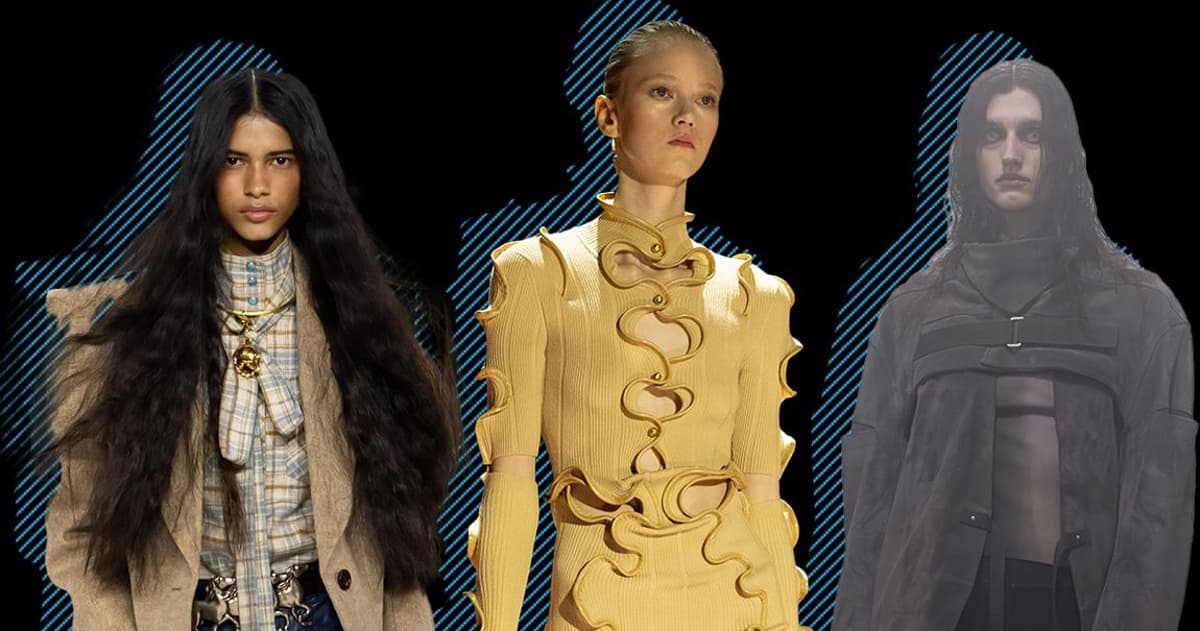
Paris Fashion Week continues to serve as a barometer for emerging aesthetic directions, and this season’s Schiaparelli and Rick Owens presentations exemplify a notable trend. Daniel Roseberry, revitalizing Elsa Schiaparelli’s surreal heritage since 2019, staged his collection on a glossy black runway that forced the audience to look upward, a theatrical device rarely seen in recent shows. Complemented by a playlist ranging from Janet Jackson to Kesha, the production amplified a heightened sense of glamour that felt both nostalgic and forward‑looking.
Rick Owens, known for his gothic, Brutalist silhouettes, deliberately positioned his show after Roseberry’s, echoing the same runway architecture and lighting scheme. While Owens’ models carried a horror‑film edge, the underlying intent mirrored Schiaparelli’s fetishized celebration of the molded female form. The shared use of dark drapery, platform boots, and gold baubles created a visual dialogue that blurred the lines between avant‑garde rebellion and classic luxury, suggesting a new hybrid language for high‑fashion storytelling.
From a business perspective, this aesthetic alignment could broaden each brand’s consumer base, attracting shoppers drawn to both edgy subculture cues and opulent glamour. Luxury retailers are increasingly curating collections that straddle these extremes, aiming to capture millennials and Gen Z buyers who value authenticity and spectacle. As the industry leans into this duality, designers who master the balance may secure stronger runway relevance, higher sell‑through rates, and expanded licensing opportunities, reinforcing the commercial viability of cross‑genre fashion narratives.
What do Schiaparelli and Rick Owens Have in Common?
0
Comments
Want to join the conversation?
Loading comments...