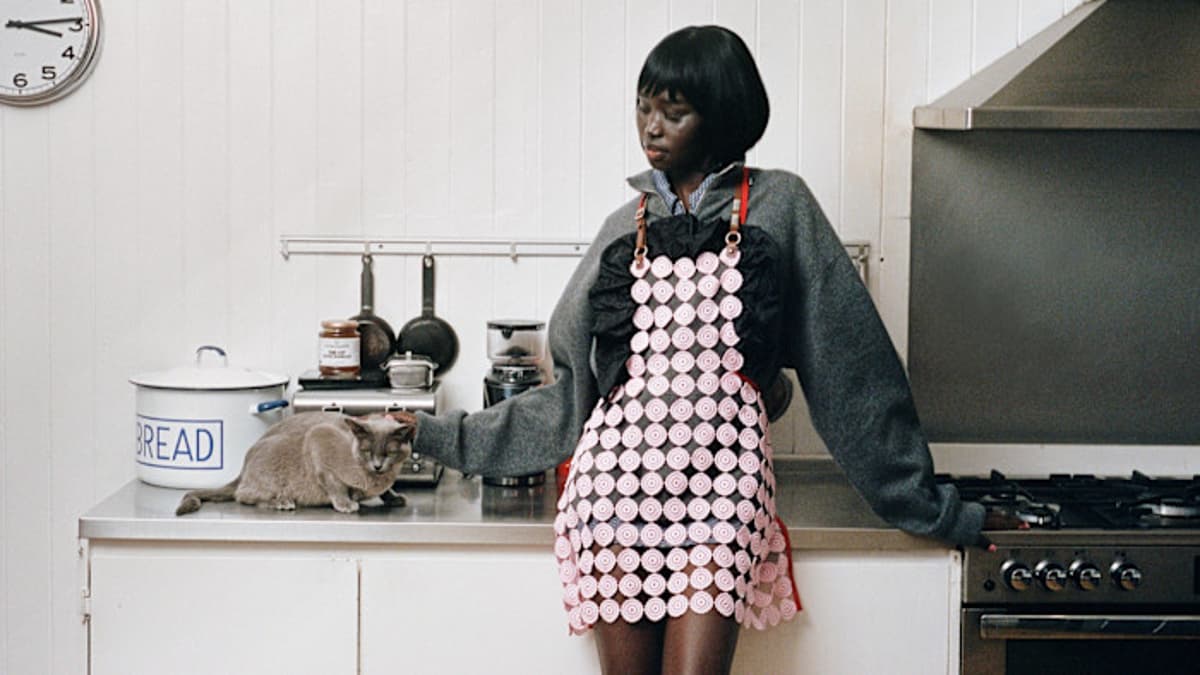
What Does a £3,400 Apron Say About Modern Feminism?
•March 2, 2026
0
Why It Matters
The apron’s four‑figure price blurs the line between functional clothing and status symbol, influencing how fashion engages with class, gender politics, and luxury market dynamics.
Key Takeaways
- •Miu Miu’s £3,400 aprons blend luxury with labor symbolism.
- •Runway aprons spark debate over class and feminist narratives.
- •Price tags risk turning functional garments into exclusive status symbols.
- •Apron revival reflects consumer appetite for heritage domestic aesthetics.
Pulse Analysis
The resurgence of aprons on high‑end runways reflects a cultural moment where fashion seeks authenticity through domestic motifs. By elevating a historically utilitarian garment to a £3,400 luxury item, Miu Miu taps into nostalgia while confronting the paradox of commodifying labor. This strategy resonates with consumers craving heritage aesthetics, yet it also raises questions about the ethics of turning everyday workwear into exclusive status symbols.
Beyond Miu Miu, designers from Calvin Klein to Jacquemus have incorporated apron‑inspired silhouettes, signaling a broader industry shift toward home‑centric storytelling. The trend aligns with post‑pandemic consumer behavior that values comfort, functionality, and a sense of belonging to tradition. However, the premium pricing attached to these pieces can alienate the very demographic they reference, potentially reinforcing class divides and diluting feminist intent.
For the luxury market, the apron phenomenon illustrates the delicate balance between cultural relevance and commercial viability. Brands that navigate this space thoughtfully can leverage the narrative of honoring women’s labor while maintaining aspirational appeal. Conversely, missteps risk backlash from activists and discerning shoppers who view such appropriations as performative. As the conversation evolves, the apron may become a litmus test for how fashion reconciles heritage, gender politics, and inclusive luxury.
What does a £3,400 apron say about modern feminism?
0
Comments
Want to join the conversation?
Loading comments...