Companies Mentioned
Why It Matters
The move signals a shift in luxury fashion toward conceptual, status‑driven products, redefining consumer expectations for footwear and opening new high‑margin niches.
Key Takeaways
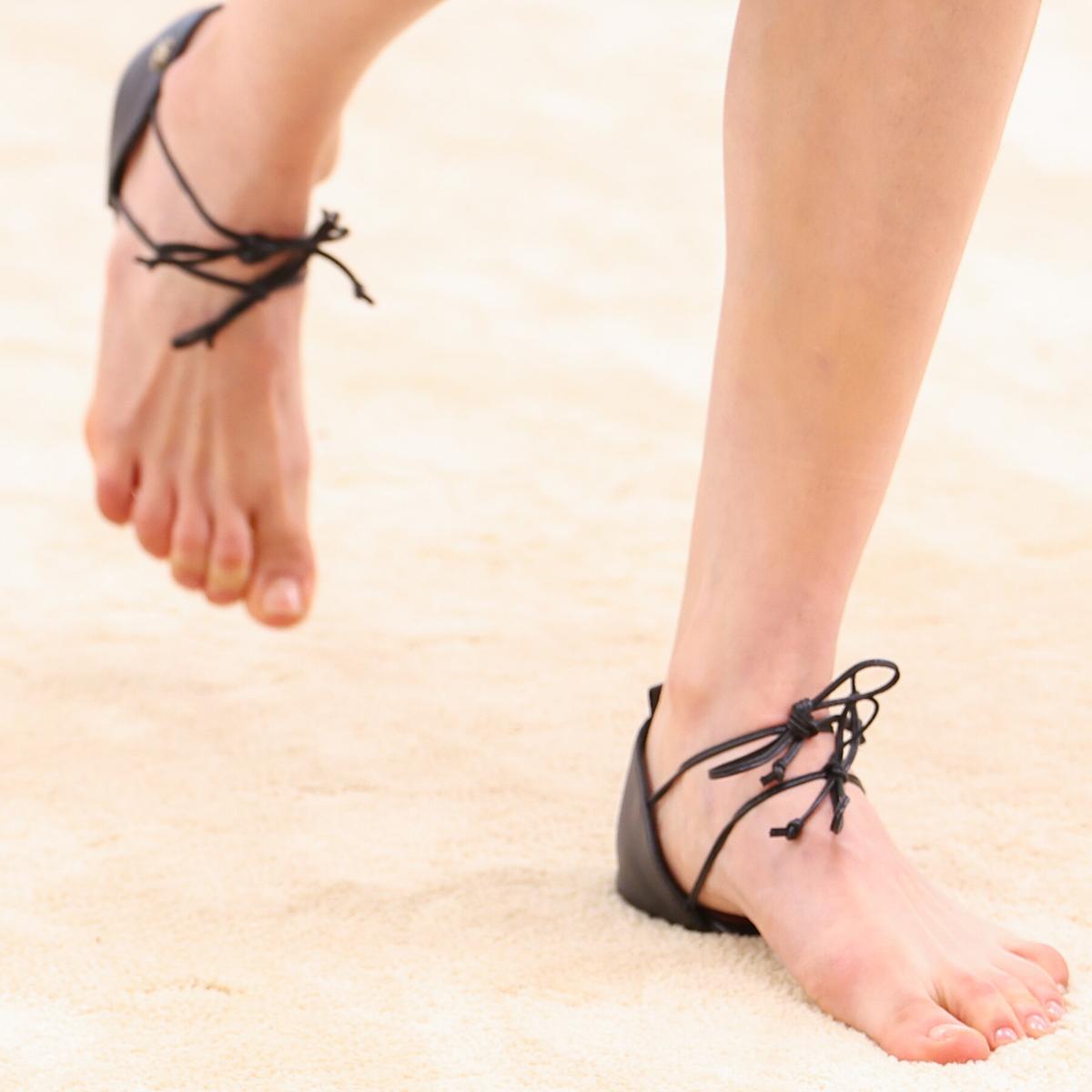
- •Chanel unveils minimalist heel caps with angel‑hair straps
- •Design evokes beach‑barefoot feeling, resembling jewelry
- •Luxury brands strip footwear to essential elements
- •High‑price minimalist shoes signal status, not utility
- •Industry explores conceptual footwear, redefining shoe definition
Pulse Analysis
The Chanel experiment reflects a growing appetite among high‑end fashion houses to blur the line between accessory and apparel. By reducing a shoe to a pair of leather caps and whisper‑thin straps, the brand taps into a narrative of effortless luxury that resonates with affluent consumers seeking exclusivity through novelty. This deconstructed aesthetic aligns with recent releases from Margiela, JW Anderson, and Balenciaga, all of which prioritize visual impact over traditional function, reinforcing a market where the story behind a product outweighs its practical use.
From a business perspective, ultra‑minimalist footwear offers luxury brands a lucrative avenue to command premium prices with relatively low material costs. The perceived scarcity and avant‑garde design justify price tags well above $800, turning a simple concept into a high‑margin revenue stream. Moreover, these pieces serve as status symbols; owning a pair that barely qualifies as a shoe signals a consumer’s willingness to invest in fashion as art, reinforcing brand equity and deepening customer loyalty among the elite.
Looking ahead, the trend may influence broader industry practices, prompting designers to experiment with material reduction, sustainability, and digital‑first concepts such as virtual footwear. As consumers increasingly value experiential and symbolic value, brands that can successfully reimagine conventional products—like shoes—stand to capture attention and profit. However, the niche nature of such designs limits mass appeal, suggesting that while the concept will flourish in runway and limited‑edition drops, mainstream adoption will likely remain modest.
When Does a Shoe Stop Being a Shoe?
Comments
Want to join the conversation?
Loading comments...