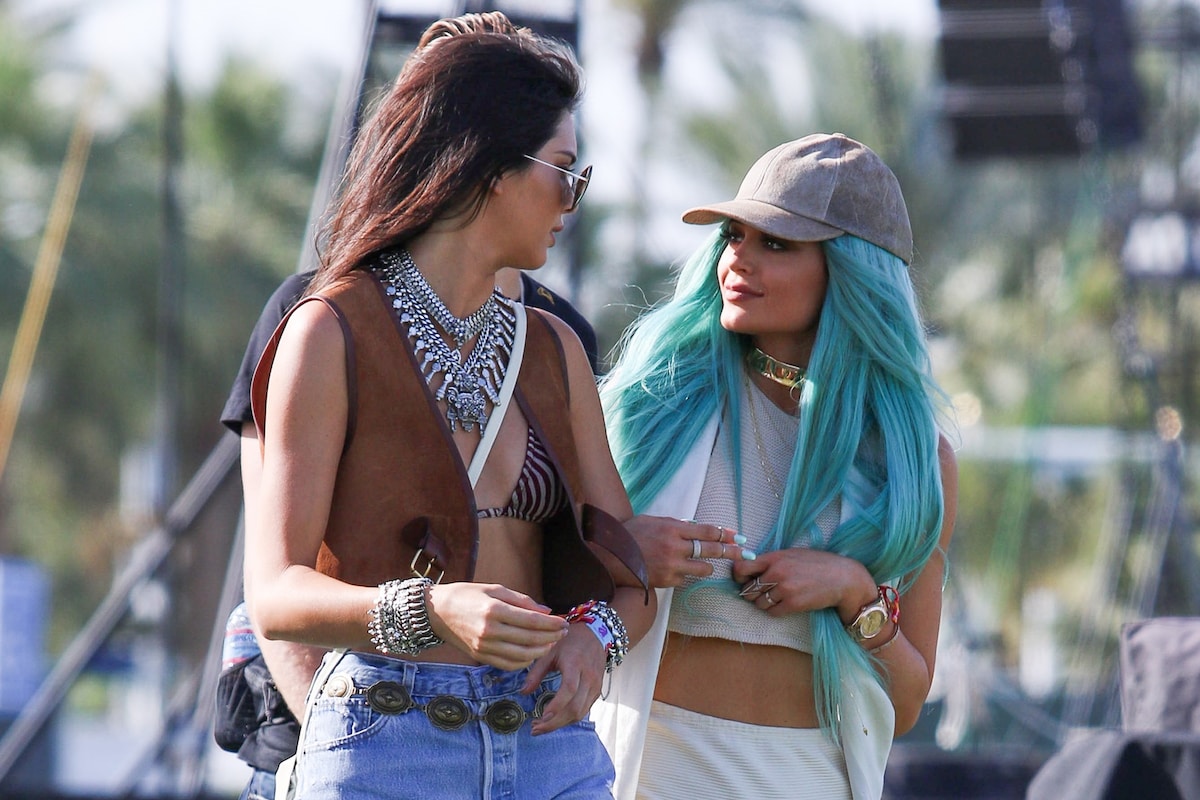
When Exactly Did the Coachella Aesthetic Become so Soulless?
Companies Mentioned
Why It Matters
The shift signals a broader commercialization of cultural events, where brand dollars dictate style, eroding the organic creativity that once defined festival fashion. This trend reshapes how marketers, designers, and consumers value authenticity versus visibility.
Key Takeaways
- •Instagram turned Coachella fashion into content-driven marketing.
- •Influencer budgets now exceed $500k, fueling staged looks.
- •Fast‑fashion brands profit from boho trends popularized at Coachella.
- •Authentic mud‑splattered style replaced by curated, sterile outfits.
- •Festival fashion now imitates nostalgia rather than creating new subculture.
Pulse Analysis
Coachella’s evolution from a desert‑dusty gathering to a global fashion showcase mirrors the rise of social media as a cultural arbiter. In the late 1990s, attendees dressed for comfort—t‑shirts, sneakers, and jean shorts—reflecting a DIY ethos that resonated with the music’s raw energy. By the mid‑2000s, celebrity sightings introduced bohemian staples like fringe jackets and flower crowns, prompting fast‑fashion giants such as Forever 21 and H&M to mass‑produce the look. This early commercialization laid the groundwork for today’s influencer economy, where visual storytelling outweighs the music itself.
The influencer boom intensified after Instagram’s 2010 launch, turning Coachella into a live runway for brand partnerships. Companies now allocate six‑figure sums—often exceeding $500,000—to secure high‑profile creators who generate endless feed‑ready content. Revolve’s exclusive festival and similar invite‑only events illustrate how curated guest lists become content factories, reinforcing a feedback loop where fashion is designed for screens, not the desert heat. The result is a homogenized aesthetic that prioritizes shareability over individuality, diluting the festival’s original spirit of spontaneous self‑expression.
Beyond Coachella, this shift raises questions about authenticity in cultural marketing. When brands dictate style, the line between genuine subculture and commercial costume blurs, prompting consumers to seek out niche experiences that feel less manufactured. Marketers must balance the lure of algorithmic reach with the risk of alienating audiences craving authenticity. As festivals continue to serve as cultural barometers, the tension between curated influencer looks and organic, mud‑splattered creativity will define the next wave of fashion innovation.
When exactly did the Coachella aesthetic become so soulless?
Comments
Want to join the conversation?
Loading comments...