Why It Matters
The backlash illustrates how high‑profile cultural events can become flashpoints for broader economic discontent, threatening brand perception and media credibility.
Key Takeaways
- •Met Gala tables exceed $100,000 each
- •Public criticism tied to inflation and gas price spikes
- •Comments repeatedly cite inequality and elitism
- •Fashion spectacle seen as tone‑deaf amid economic strain
- •Social media backlash may pressure future event positioning
Pulse Analysis
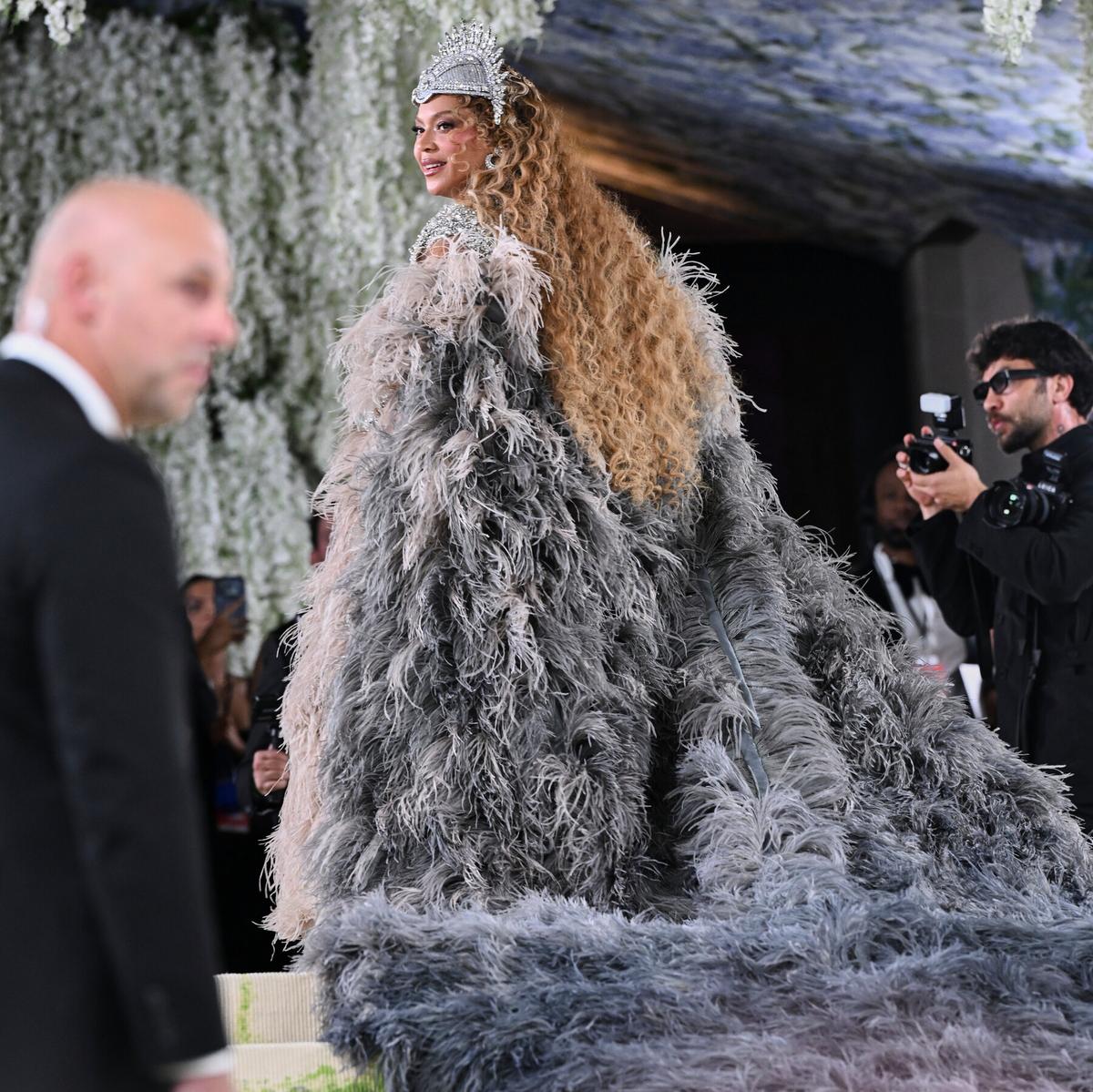
The Met Gala, long‑standing as the fashion world’s most visible night, has evolved into a high‑stakes showcase where designers and celebrities vie for the most theatrical look. While the event generates massive media coverage and lucrative sponsorships, its ticket prices—often over $100,000 per table—have turned it into a symbol of ultra‑luxury. This year’s criticism was amplified by a New York Times recap that attracted nearly 500 comments, most of which condemned the spectacle as disconnected from everyday realities.
Economic anxiety provides the backdrop for the current uproar. Since the onset of the Iran‑related oil shock, gasoline prices have surged, and grocery bills remain stubbornly high, squeezing disposable income for the average consumer. In such an environment, a display of excess—especially one that costs a billionaire‑class few hundred thousand dollars per seat—feeds narratives of inequality and elite entitlement. Social media users invoked “The Hunger Games” to illustrate the perceived competition for status, underscoring how luxury events can become lightning rods for broader socioeconomic frustration.
For fashion houses, sponsors, and media outlets, the backlash signals a need to recalibrate messaging and perhaps the event’s accessibility. Brands risk reputational damage if they appear tone‑deaf to consumer hardships, prompting some to explore more inclusive initiatives or charitable tie‑ins that resonate beyond the red‑carpet. Meanwhile, the New York Times and other outlets may face pressure to balance coverage of high‑fashion glamour with critical context about economic disparity. Navigating this tension will shape how the Met Gala and similar spectacles evolve in a market increasingly sensitive to wealth gaps.
Why Everyone Was So Mad About the Met Gala
Comments
Want to join the conversation?
Loading comments...