
Why It Matters
Brands recognize older women’s growing purchasing power, turning age diversity into a strategic growth lever. The shift reshapes marketing, product design, and runway representation across the fashion ecosystem.
Key Takeaways
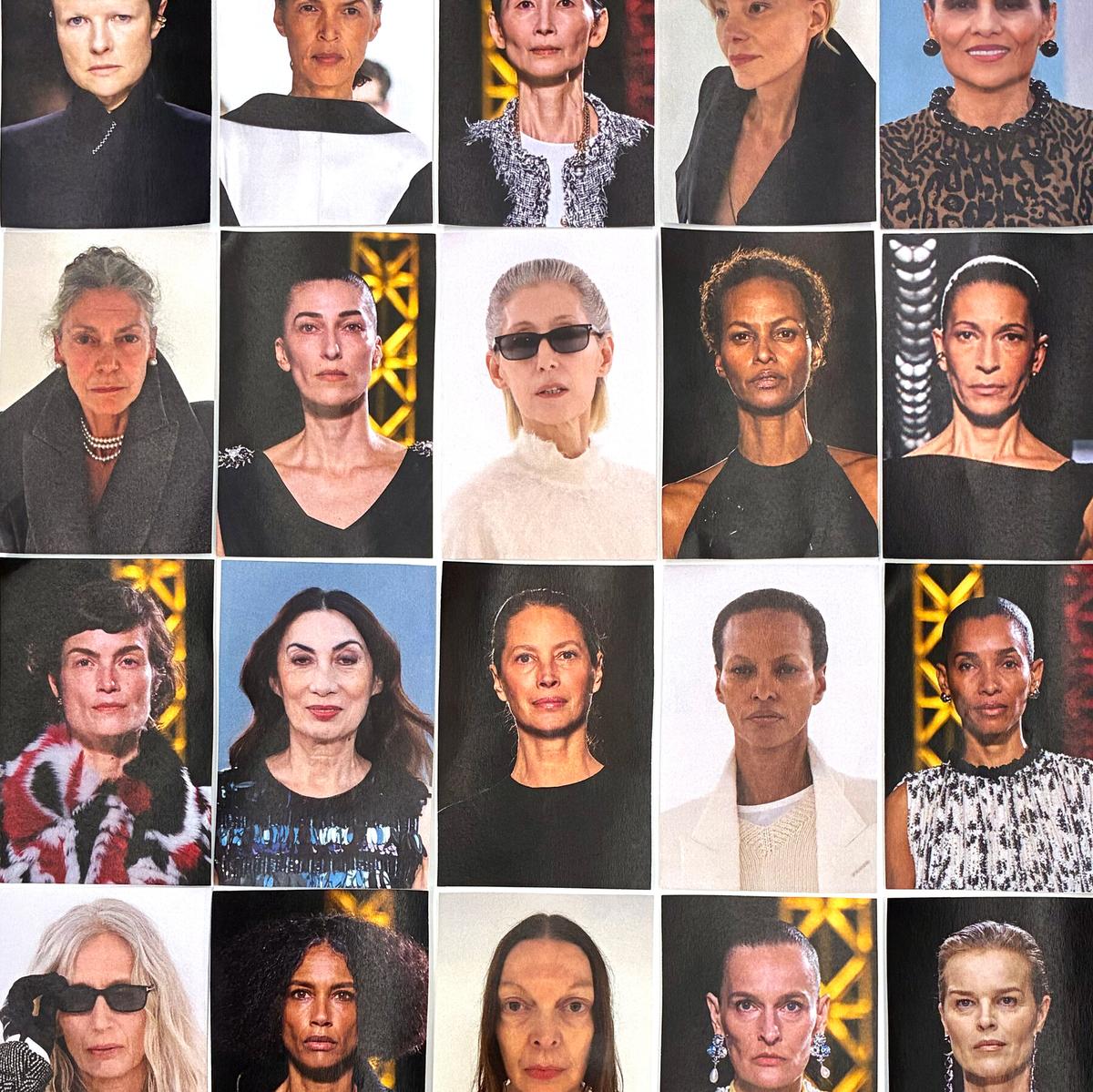
- •Chanel featured 50‑year‑old Stephanie Cavalli, opening its Paris show
- •Bottega Veneta showcased nine models aged 40+
- •Tom Ford presented nine older models, both women and men
- •Industry sees age as market advantage, not barrier
- •Vogue’s 76‑year‑old cover highlights aging empowerment trend
Pulse Analysis
The fashion industry, long dominated by youth‑centric imagery, is undergoing a visible transformation. Recent Paris and Milan weeks saw a surge of models over 40, with Chanel, Bottega Veneta, Tom Ford and others allocating runway slots to seasoned women. This departure from the traditional aesthetic is not merely symbolic; it reflects a deliberate response to cultural conversations about representation and the purchasing clout of older demographics. By featuring icons like Stephanie Cavalli and Kate Moss, luxury houses signal that age can be a compelling narrative asset.
From a business perspective, women over 40 control a disproportionate share of discretionary spending. According to market research, U.S. consumers aged 45‑64 account for roughly 40% of luxury apparel sales, a segment that values quality, craftsmanship and timeless style—attributes that align with high‑end fashion. Brands are therefore tailoring campaigns, product lines, and retail experiences to appeal to this cohort, leveraging age‑inclusive casting to foster authenticity and deepen brand loyalty. The Vogue cover, pairing Meryl Streep with Anna Wintour, underscores how editorial platforms can amplify this commercial strategy, turning age diversity into a market differentiator.
Looking ahead, the momentum is likely to extend beyond runway seats. As older consumers demand relevance, designers may expand size ranges, develop age‑specific collections, and collaborate with senior influencers for digital outreach. However, genuine inclusion will require consistent representation, not tokenism, and must address intersecting dimensions such as body diversity and cultural background. If executed thoughtfully, the age‑inclusive wave could redefine luxury fashion’s target audience, driving sustained growth while reshaping societal notions of beauty.
Why Fashion Suddenly Loves Older Women
Comments
Want to join the conversation?
Loading comments...