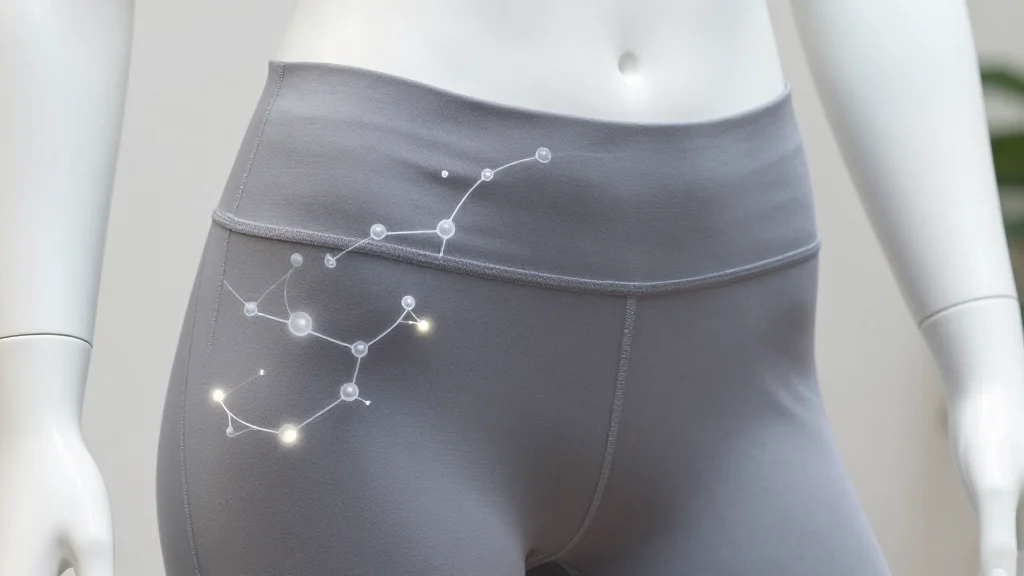
Why Lululemon Is Betting Big on Enzymatic Nylon Recycling
Companies Mentioned
Why It Matters
The investment reduces Lululemon’s exposure to raw‑material price swings while cementing its reputation as a sustainability leader, potentially prompting wider industry adoption of enzymatic recycling.
Key Takeaways
- •Lululemon invests in Epoch Biodesign’s enzymatic nylon‑6,6 recycling platform.
- •Enzymatic process breaks down nylon to pure monomers for closed‑loop reuse.
- •Target reduces reliance on volatile virgin nylon prices and regulatory risk.
- •Scalable technology could set new industry standard for circular apparel.
Pulse Analysis
Regulatory bodies across Europe and North America are tightening mandates on textile waste, while the price of virgin nylon 6,6 has swung more than 20% in the past two years. Nylon’s durability makes it a staple in activewear, yet its chemical structure resists traditional mechanical recycling, leaving a large portion in landfills or incinerators. Brands that continue to rely on new polymer feedstocks face both compliance costs and reputational pressure from increasingly eco‑conscious consumers. Lululemon’s strategic pivot reflects a broader market realization that circularity is no longer optional but essential for long‑term profitability.
Enzymatic recycling leverages bio‑engineered enzymes to cleave nylon 6,6 chains into their original monomers, which can be repolymerized without quality loss. Compared with energy‑intensive chemical depolymerization, the enzymatic route operates at lower temperatures, reduces hazardous by‑products, and offers a smaller carbon footprint. Epoch Biodesign has demonstrated pilot‑scale runs that achieve over 90% material recovery, a threshold that makes commercial deployment financially viable. Lululemon’s capital infusion not only accelerates the scale‑up of this technology but also secures a supply of reclaimed fibers for its next‑generation product lines, aligning material sourcing with its “Move Forward” sustainability roadmap.
For investors and industry observers, Lululemon’s bet signals a potential paradigm shift. By embedding recycled nylon into high‑performance apparel, the company can hedge against raw‑material price spikes and differentiate its brand in a crowded market. Competitors may feel pressure to adopt similar biotech solutions or risk falling behind on ESG metrics that increasingly influence purchasing decisions. If the enzymatic process proves scalable across the sector, it could catalyze a new circular economy for synthetic textiles, reshaping supply chains from fiber producers to retail shelves. The ripple effect may also stimulate further venture capital into biotech recycling startups, accelerating innovation across the broader fashion ecosystem.
Why Lululemon is betting big on enzymatic nylon recycling
Comments
Want to join the conversation?
Loading comments...