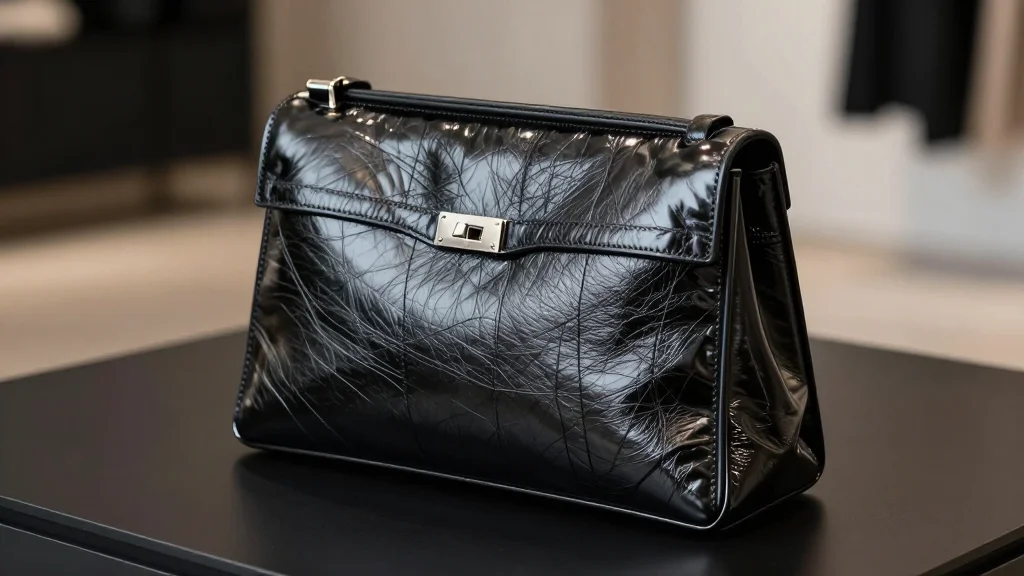
World’s First Lab‑Grown T‑Rex Leather Handbag Debuts in Amsterdam

Companies Mentioned
Why It Matters
The T‑rex leather handbag illustrates how biotechnology can address two persistent challenges in luxury fashion: ethical sourcing and environmental impact. By eliminating the need for animal hides, the technology reduces greenhouse‑gas emissions linked to livestock farming and avoids toxic tanning chemicals. Moreover, the ability to engineer leather from extinct species opens a new frontier for brand storytelling, allowing designers to offer truly unique, provenance‑transparent products that resonate with increasingly sustainability‑focused consumers. Beyond sustainability, the project showcases a viable commercial pathway for lab‑grown materials. If the production process can be scaled cost‑effectively, it could disrupt traditional leather supply chains, prompting established manufacturers to invest in biotech partnerships or develop in‑house capabilities. This shift may accelerate the broader adoption of bio‑fabricated textiles across apparel, accessories and automotive interiors.
Key Takeaways
- •April 2, 2026: Lab‑grown T‑rex leather handbag unveiled at Art Zoo Museum, Amsterdam
- •Collaboration between VML, The Organoid Company and Lab‑Grown Leather Ltd. produced the material
- •Designed by techwear label Enfin Levé, founded by Polish designer Michal Hadas
- •Material created from reconstructed dinosaur collagen using AI‑driven genetic modeling
- •Scaffold‑free tissue engineering yields a leather identical in structure to traditional hides
Pulse Analysis
The debut of a T‑rex leather handbag marks a watershed moment for the intersection of biotechnology and luxury fashion. Historically, the industry has relied on animal agriculture, a sector responsible for roughly 14% of global emissions. Lab‑grown leathers, already gaining traction with mushroom and pineapple alternatives, now have a high‑profile, narrative‑rich contender that can command premium pricing through its novelty and sustainability credentials.
From a competitive standpoint, the partnership model demonstrated here could become the standard for future material innovations. Creative agencies like VML can translate complex scientific breakthroughs into market‑ready designs, while biotech firms provide the core technology. This division of labor reduces risk for fashion houses, which can license the material without investing heavily in R&D. Established luxury brands may quickly adopt such materials to meet consumer demand for ethical products, potentially sidelining traditional tannery operations.
Looking ahead, the scalability of the Advanced Tissue Engineering Platform will determine whether T‑rex leather remains a museum piece or becomes a staple in high‑end collections. If production costs can be driven down, we could see a cascade of bio‑engineered leathers—each with distinct textures and stories—entering the market. This would not only diversify supply but also reshape brand narratives, allowing designers to market accessories as "crafted from the DNA of extinct species" rather than "synthetic alternatives." The industry’s response in the next 12‑18 months will reveal whether this Jurassic‑inspired innovation is a fleeting curiosity or the foundation of a new material era.
World’s First Lab‑Grown T‑Rex Leather Handbag Debuts in Amsterdam
Comments
Want to join the conversation?
Loading comments...