Worn Again Launches Poly-Cotton Recycling Plant in Switzerland
•March 6, 2026
0
Why It Matters
Poly‑cotton recycling addresses a major gap in circular fashion, reducing landfill waste and supporting EU sustainability mandates. Successful scaling could supply recycled fibres for billions of garments, cutting reliance on virgin materials.
Key Takeaways
- •Demonstration plant processes mixed poly‑cotton fabrics
- •Located in Winterthur, Switzerland
- •Technology aims for commercial scale within years
- •Targets 60% of global apparel blends
- •Aligns with EU circular‑textile objectives
Pulse Analysis
The fashion industry discards roughly 92 million tonnes of textile waste each year, with poly‑cotton blends representing a stubborn fraction because their mixed fibers resist conventional recycling streams. While pure polyester or cotton can be reclaimed separately, blended fabrics often end up in landfills or incinerated, undermining sustainability pledges. Europe’s Green Deal and the upcoming EU Textile Strategy demand closed‑loop solutions, prompting startups to innovate beyond mechanical shredding. In this climate, a viable chemical recycling route for poly‑cotton could reshape supply chains and reduce reliance on virgin materials.
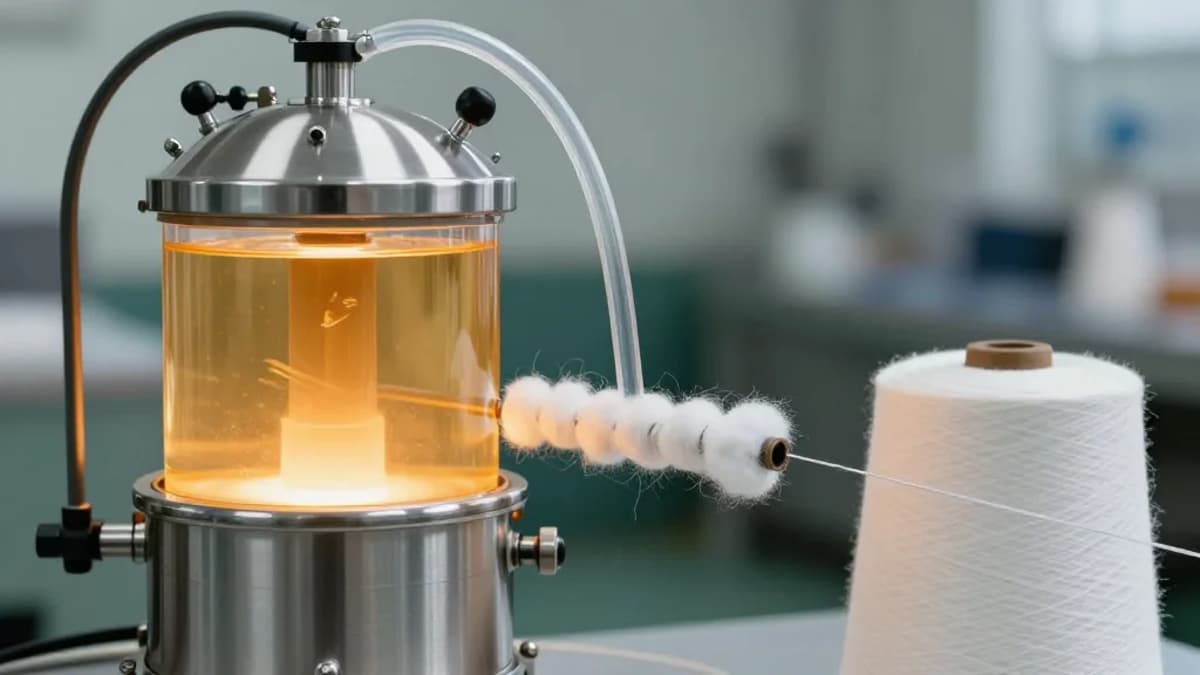
Worn Again Technologies has now activated a demonstration‑scale plant in Winterthur, Switzerland, that chemically separates polyester and cotton from blended yarns and reconstitutes them into high‑purity feedstock. The pilot unit processes a few tonnes per day, using a proprietary solvent system that depolymerises polyester while preserving cellulose fibers for regeneration. Early results show fibre recovery rates above 90 percent and comparable quality to virgin inputs, positioning the technology as a candidate for commercial rollout within the next two to three years. The Swiss location leverages the country’s strong chemical‑engineering ecosystem and supportive regulatory framework.
The plant’s launch arrives as major apparel brands pledge to source recycled fibres for a growing share of collections. If Worn Again can scale to industrial volumes, it could unlock circular pathways for the estimated 1.5 billion garments made from poly‑cotton each year, delivering cost‑competitive recycled polyester and cotton simultaneously. Investors are watching closely, with venture capital and strategic partners eyeing the technology’s potential to meet EU recycling quotas and to reduce carbon footprints across the value chain. Successful commercialization would also set a benchmark for other blend‑recycling ventures worldwide.
Worn Again launches poly-cotton recycling plant in Switzerland
0
Comments
Want to join the conversation?
Loading comments...