Why It Matters
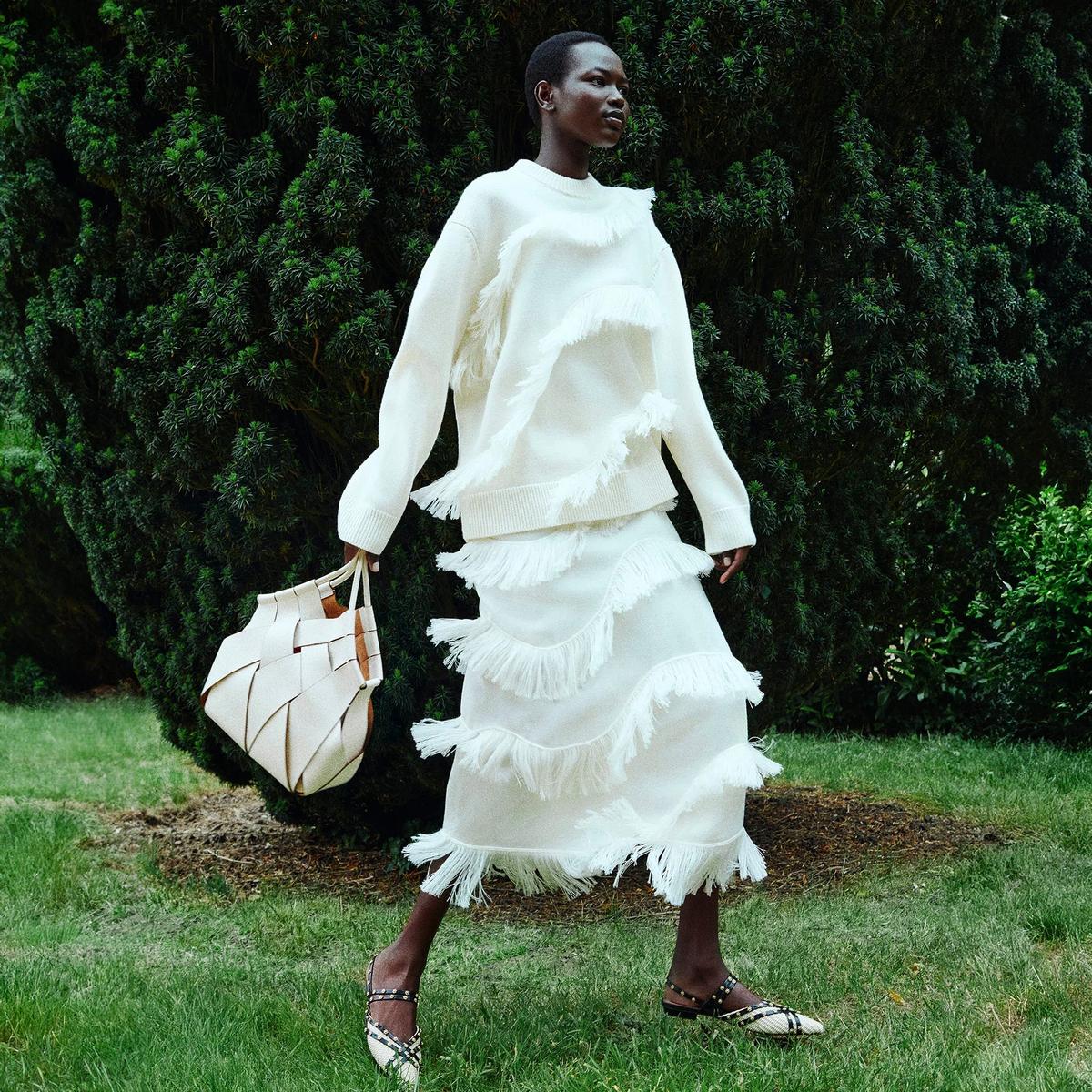
Fringe is re‑emerging as a spring trend, driving demand for high‑impact, adaptable pieces that boost retailer sales and refresh wardrobes. Its versatility appeals to a wide demographic, reinforcing its commercial relevance across luxury and mainstream markets.
Key Takeaways
- •Fringe skirts span mini to maxi lengths.
- •Materials range from wool to leather.
- •Colors include neutrals, bold yellows, midnight blue.
- •Versatile styling fits office to festival.
- •Size inclusivity expands market reach.
Pulse Analysis
Fringe skirts have slipped back into the spotlight this spring, echoing the 1970s bohemian vibe while embracing modern luxury. Designers are pairing traditional fringe with unexpected fabrics—silk‑blend minis, wool‑and‑silk maxi skirts, and even leather—creating pieces that feel both nostalgic and forward‑looking. This material mash‑up satisfies consumers seeking tactile richness and visual drama, a combination that resonates on social media platforms where movement and texture translate into viral content.
Beyond aesthetics, the fringe trend taps into a broader consumer desire for versatile wardrobe staples. A single skirt can shift from a desk‑appropriate midi with a crisp blouse to a festival‑ready maxi paired with a cropped sweater, reducing the need for multiple specialized items. Retailers benefit from this flexibility, as inventory can serve multiple occasions, improving turnover rates and appealing to shoppers who prioritize sustainability through fewer, higher‑impact purchases.
Market data shows a steady rise in searches for "fringe skirts" and related keywords, indicating growing consumer interest. Brands that offer inclusive sizing—from 2XS to plus‑size—capture a larger share of this demand, while limited‑edition collaborations and bold colorways, such as buttery yellow or midnight blue, generate buzz and justify premium pricing. As the season progresses, fringe’s kinetic appeal is set to drive both online engagement and in‑store foot traffic, making it a key trend for fashion retailers to monitor.
Your Spring Wardrobe Needs a Fringe Skirt
0
Comments
Want to join the conversation?
Loading comments...