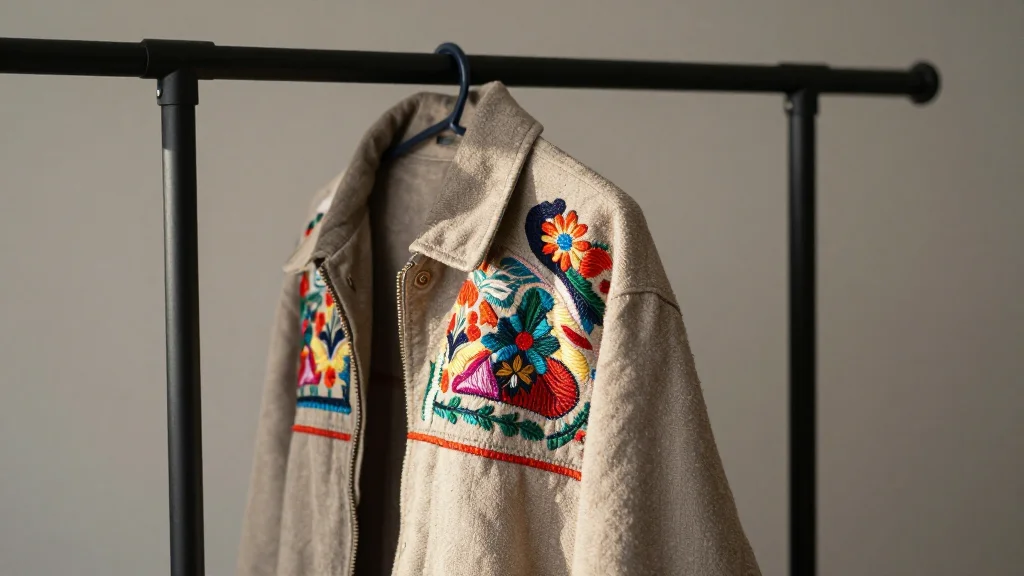
Zara Teams with Willy Chavarria on ‘Vatisimo’ Collection, Spotlighting Sustainable Streetwear

Why It Matters
The Zara‑Willy Chavarria partnership illustrates a growing willingness among fast‑fashion giants to engage directly with culturally rooted designers, potentially reshaping how authenticity is commercialized at scale. By embedding sustainability into the collaboration, the collection also signals that environmental considerations are becoming a non‑negotiable component of high‑visibility fashion drops, pressuring competitors to follow suit. If Vatisimo proves commercially successful, it could accelerate a trend where large retailers seek out designers with strong cultural narratives, using their distribution power to amplify under‑represented voices while navigating the fine line between celebration and commodification. The experiment will also provide data on consumer appetite for sustainable, culturally nuanced products, informing future investment decisions across the sector.
Key Takeaways
- •Zara partners with Willy Chavarria for the Vatisimo collection, a culturally focused line.
- •The collection blends Chicano-inspired designs with classic American workwear silhouettes.
- •Products include denim, premium leather, cupro shirts, silk slips, and wide‑leg shorts.
- •Zara markets the line as sustainable, using recycled materials and lower‑impact production.
- •The collaboration tests whether fast‑fashion can scale authentic cultural narratives without dilution.
Pulse Analysis
Zara’s decision to collaborate with Willy Chavarria reflects a strategic pivot from pure volume‑driven growth toward a model that leverages cultural capital. Historically, fast‑fashion has relied on rapid trend turnover, often sidestepping deeper narratives. By aligning with a designer whose work is rooted in Chicano identity, Zara is attempting to capture a segment of consumers who value story‑driven apparel, a demographic that has traditionally gravitated toward boutique or luxury labels.
The sustainability angle adds another layer of complexity. Zara’s parent company, Inditex, has set ambitious carbon‑reduction targets, yet critics argue that the core business model remains at odds with circular fashion principles. Vatisimo’s use of recycled fabrics and emphasis on durability could serve as a pilot for integrating eco‑design into high‑velocity supply chains. If the collection demonstrates that sustainable materials can be sourced at scale without inflating costs, it may accelerate Inditex’s broader rollout of greener lines.
From a competitive standpoint, the collaboration puts pressure on rivals such as H&M and Uniqlo, which have also dabbled in designer partnerships but have not foregrounded cultural specificity to the same degree. Should Vatisimo achieve strong sell‑through, it could trigger a wave of similar alliances, prompting a re‑evaluation of how cultural authenticity and sustainability are balanced in the fast‑fashion playbook. The market will be watching not just sales figures, but also consumer sentiment around cultural appropriation versus appreciation, a debate that could shape brand reputations for years to come.
Zara Teams with Willy Chavarria on ‘Vatisimo’ Collection, Spotlighting Sustainable Streetwear
Comments
Want to join the conversation?
Loading comments...