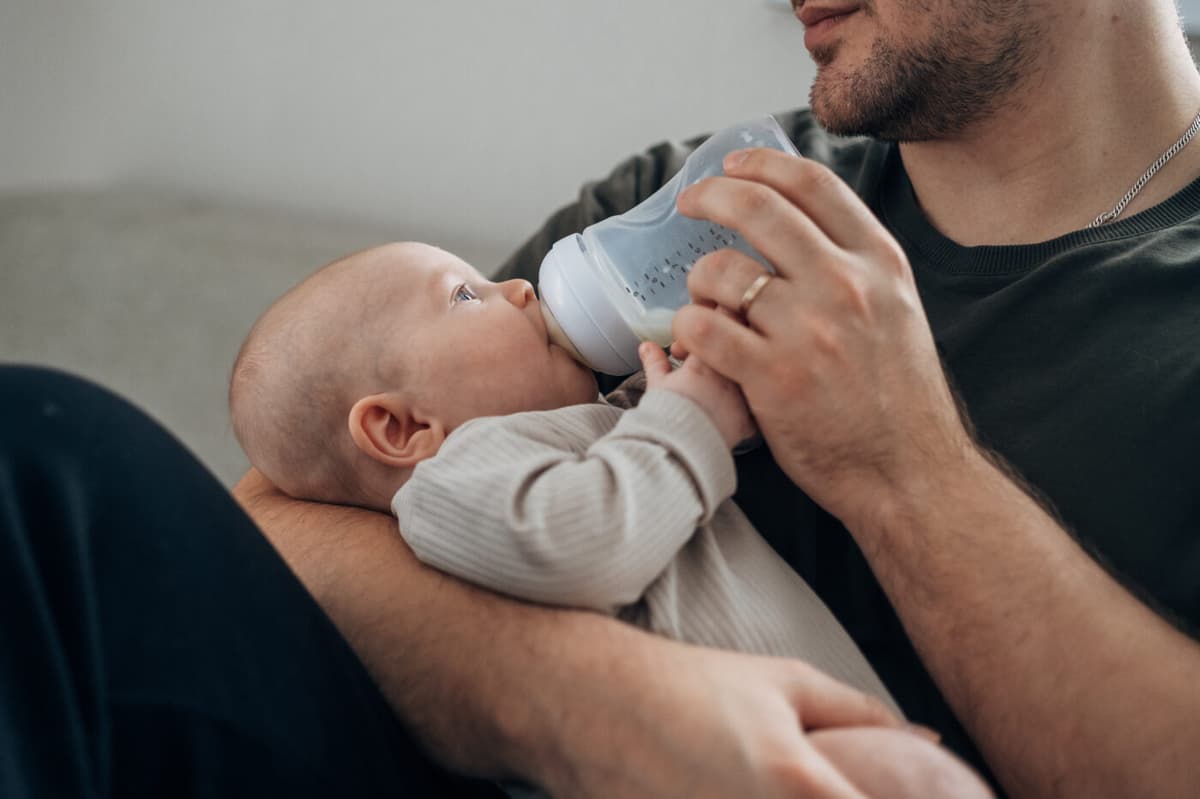
How to Stop Newborn Hiccups (and Why They Happen So Much)
Why It Matters
Understanding hiccup triggers helps parents reduce anxiety, improve feeding comfort, and spot early signs of gastrointestinal issues.
Key Takeaways
- •Hiccups stem from immature diaphragm reacting to stomach stretch
- •Burp mid‑feed and keep baby upright to reduce episodes
- •Slow feeding pace and proper latch prevent excess swallowed air
- •Seek pediatric care if hiccups exceed two hours or cause distress
Pulse Analysis
Newborn hiccups are more than a cute quirk; they reflect the developing neuromuscular control of the infant diaphragm. Studies published in StatPearls and PMC reveal that fetal diaphragmatic movements start before 26 weeks gestation, suggesting an evolutionary role in expelling swallowed air. When a baby’s stomach expands after a feed, it presses against the still‑maturing diaphragm, triggering spasms that manifest as hiccups. This physiological backdrop explains why the reflex is virtually universal in the first weeks of life.
Practical feeding adjustments can dramatically cut hiccup frequency. Pediatric experts, including those at OSF HealthCare and the American Academy of Pediatrics, recommend burping every two to three ounces, using slower‑flow nipples, and confirming a secure latch for breast‑fed infants. Keeping the infant upright for 20‑30 minutes after feeding leverages gravity to keep stomach contents down, while mid‑feed burping releases trapped gas before it irritates the diaphragm. Parents who adopt these habits report calmer feeds, fewer interruptions, and reduced nighttime worry.
While most hiccups resolve within ten minutes, prolonged or accompanied symptoms may signal gastroesophageal reflux disease (GERD) or other distress. Health authorities advise contacting a pediatrician if hiccups last over two hours, occur constantly, or are paired with coughing, arching, or excessive spit‑up. Early detection enables timely intervention, such as reflux management or feeding plan adjustments, safeguarding the baby’s growth and comfort. By distinguishing normal reflexes from warning signs, caregivers can maintain confidence while ensuring optimal infant health.
How to Stop Newborn Hiccups (and Why They Happen So Much)
Comments
Want to join the conversation?
Loading comments...